Practise the complete sentence, not an isolated participle
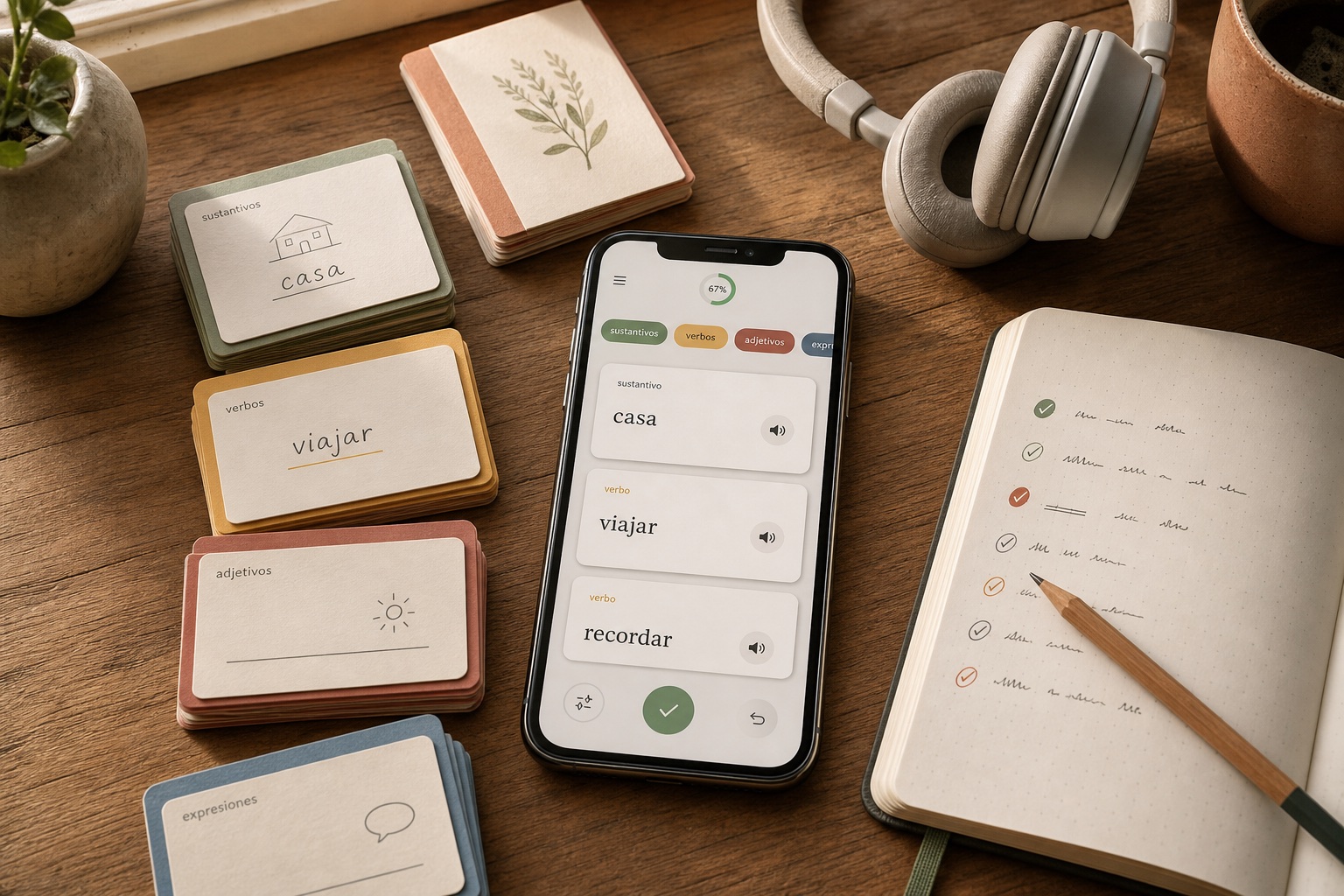
Import the 32 checked examples and review them with Spanish audio and writing on iOS or Android. The grammar guide remains complete without the app.
Spanish passive voice
How does the passive voice work in Spanish?
Use ser + participle when the action and its receiver are the focus, especially in formal or written contexts: Las cartas fueron enviadas por Ana. Ser carries tense; the participle agrees with the patient subject in gender and number.
Use passive se for an unnamed agent and a thing as patient subject: Se vende una casa; Se venden casas. The verb changes between singular and plural because casa or casas is the grammatical subject.
Do not confuse passive se with impersonal se. Se entrevistó a tres candidatos stays singular because a tres candidatos is a personal direct object, not the subject. Use estar + participle for a resulting state: La puerta está cerrada.
Choose the structure in four checks
Is the agent important? Use ser + participle and add por + agent if useful.
Is an unnamed action on a thing more natural? Use passive se and make the verb agree with that thing.
Is the sentence about people with personal a, or a general activity without a subject? Use impersonal se and keep the verb singular.
Is the result or condition more important than the event? Use estar + participle, or choose a natural active sentence.
32 Spanish passive-voice examples
The examples separate formal passives, passive se, impersonal se, result states and natural active alternatives.
| Spanish sentence | Meaning | Example in context | Why this structure? |
|---|---|---|---|
| El informe fue publicado ayer. | The report was published yesterday. | La empresa confirmó que el informe fue publicado ayer. | Ser carries the tense; the participle agrees with the patient subject. |
| Las cartas fueron enviadas por Ana. | The letters were sent by Ana. | Sabemos quién actuó: las cartas fueron enviadas por Ana. | Ser carries the tense; the participle agrees with the patient subject. |
| La puerta será reparada mañana. | The door will be repaired tomorrow. | El aviso dice que la puerta será reparada mañana. | Ser carries the tense; the participle agrees with the patient subject. |
| El premio ha sido entregado. | The prize has been presented. | La ceremonia terminó y el premio ya ha sido entregado. | Ser carries the tense; the participle agrees with the patient subject. |
| La novela había sido traducida antes. | The novel had been translated earlier. | Cuando llegó la nueva edición, la novela ya había sido traducida. | Ser carries the tense; the participle agrees with the patient subject. |
| Los resultados serían anunciados el lunes. | The results would be announced on Monday. | La nota decía que los resultados serían anunciados el lunes. | Ser carries the tense; the participle agrees with the patient subject. |
| La mesa está siendo preparada. | The table is being prepared. | Todavía no podemos sentarnos: la mesa está siendo preparada. | Ser carries the tense; the participle agrees with the patient subject. |
| El proyecto debe ser aprobado por el comité. | The project must be approved by the committee. | Antes de empezar, el proyecto debe ser aprobado por el comité. | Ser carries the tense; the participle agrees with the patient subject. |
| Se vende una casa. | A house is for sale. | El cartel de la esquina dice: Se vende una casa. | The patient is the subject, so the third-person verb agrees with it. |
| Se venden casas. | Houses are for sale. | En este barrio se venden casas antiguas. | The patient is the subject, so the third-person verb agrees with it. |
| Se publicaron los resultados. | The results were published. | Después del examen, se publicaron los resultados. | The patient is the subject, so the third-person verb agrees with it. |
| Se abrirá una nueva oficina. | A new office will be opened. | El próximo año se abrirá una nueva oficina. | The patient is the subject, so the third-person verb agrees with it. |
| Aquí se preparan platos vegetarianos. | Vegetarian dishes are prepared here. | El menú explica que aquí se preparan platos vegetarianos. | The patient is the subject, so the third-person verb agrees with it. |
| Ya se han enviado las invitaciones. | The invitations have already been sent. | No falta nadie: ya se han enviado las invitaciones. | The patient is the subject, so the third-person verb agrees with it. |
| No se aceptan tarjetas. | Cards are not accepted. | El aviso de la caja dice que no se aceptan tarjetas. | The patient is the subject, so the third-person verb agrees with it. |
| Se busca una solución. | A solution is being sought. | El equipo sigue reunido porque se busca una solución. | The patient is the subject, so the third-person verb agrees with it. |
| Se vive bien aquí. | People live well here. | Hay servicios y tranquilidad; se vive bien aquí. | There is no grammatical subject; the verb normally stays singular. |
| Se trabaja mucho en verano. | People work a lot in summer. | En este hotel se trabaja mucho en verano. | There is no grammatical subject; the verb normally stays singular. |
| Se busca a los responsables. | They are looking for those responsible. | Después del incidente, se busca a los responsables. | There is no grammatical subject; the verb normally stays singular. |
| Se entrevistó a tres candidatos. | Three candidates were interviewed. | Ayer se entrevistó a tres candidatos para el puesto. | There is no grammatical subject; the verb normally stays singular. |
| En esta clase se habla español. | Spanish is spoken in this class. | Para practicar, en esta clase se habla español. | There is no grammatical subject; the verb normally stays singular. |
| Se necesita tener experiencia. | Experience is required. | Para solicitar el puesto, se necesita tener experiencia. | There is no grammatical subject; the verb normally stays singular. |
| No se puede fumar. | Smoking is not allowed. | El letrero indica que no se puede fumar. | There is no grammatical subject; the verb normally stays singular. |
| Se informó a los vecinos. | The residents were informed. | Antes de las obras, se informó a los vecinos. | There is no grammatical subject; the verb normally stays singular. |
| La puerta fue cerrada por el guardia. | The door was closed by the guard. | La acción importa: la puerta fue cerrada por el guardia a las diez. | Choose between event, state and a more natural active alternative. |
| La puerta está cerrada. | The door is closed. | Ahora no podemos entrar porque la puerta está cerrada. | Choose between event, state and a more natural active alternative. |
| El museo fue inaugurado en 1990. | The museum was inaugurated in 1990. | La placa indica que el museo fue inaugurado en 1990. | Choose between event, state and a more natural active alternative. |
| El museo está abierto hoy. | The museum is open today. | Podemos visitarlo porque el museo está abierto hoy. | Choose between event, state and a more natural active alternative. |
| Cervantes escribió la novela. | Cervantes wrote the novel. | Con el autor como tema, lo natural es: Cervantes escribió la novela. | Choose between event, state and a more natural active alternative. |
| La novela fue escrita por Cervantes. | The novel was written by Cervantes. | Con la obra como tema, decimos: La novela fue escrita por Cervantes. | Choose between event, state and a more natural active alternative. |
| Alguien canceló la reunión. | Someone cancelled the meeting. | Si importa el agente indefinido, decimos: Alguien canceló la reunión. | Choose between event, state and a more natural active alternative. |
| Se canceló la reunión. | The meeting was cancelled. | Si omitimos al agente, lo natural es: Se canceló la reunión. | Choose between event, state and a more natural active alternative. |
Learn the passive in four blocks
Start with ser and agreement, then compare passive se, impersonal se and action-versus-result contrasts.
Ser + participle
Build formal passives and check gender and number agreement.
El informe fue publicado ayer. · Las cartas fueron enviadas por Ana. · La puerta será reparada mañana. · El premio ha sido entregado. · La novela había sido traducida antes. · Los resultados serían anunciados el lunes. · La mesa está siendo preparada. · El proyecto debe ser aprobado por el comité.
Passive se
Use a patient subject and match the verb in singular or plural.
Se vende una casa. · Se venden casas. · Se publicaron los resultados. · Se abrirá una nueva oficina. · Aquí se preparan platos vegetarianos. · Ya se han enviado las invitaciones. · No se aceptan tarjetas. · Se busca una solución.
Impersonal se
Keep the verb singular when there is no subject or when a personal object follows a.
Se vive bien aquí. · Se trabaja mucho en verano. · Se busca a los responsables. · Se entrevistó a tres candidatos. · En esta clase se habla español. · Se necesita tener experiencia. · No se puede fumar. · Se informó a los vecinos.
Action, state or active
Compare ser, estar, passive se and natural active wording.
La puerta fue cerrada por el guardia. · La puerta está cerrada. · El museo fue inaugurado en 1990. · El museo está abierto hoy. · Cervantes escribió la novela. · La novela fue escrita por Cervantes. · Alguien canceló la reunión. · Se canceló la reunión.
Which Spanish passive structure should you use?
Ser + participle is useful when the event, patient or agent matters: El premio fue entregado por la directora.
Passive se is common for signs, processes and announcements with things: Se alquilan apartamentos. Match the verb to the patient subject.
Impersonal se has no grammatical subject and normally keeps a singular verb: Se vive bien aquí; Se entrevistó a los candidatos.
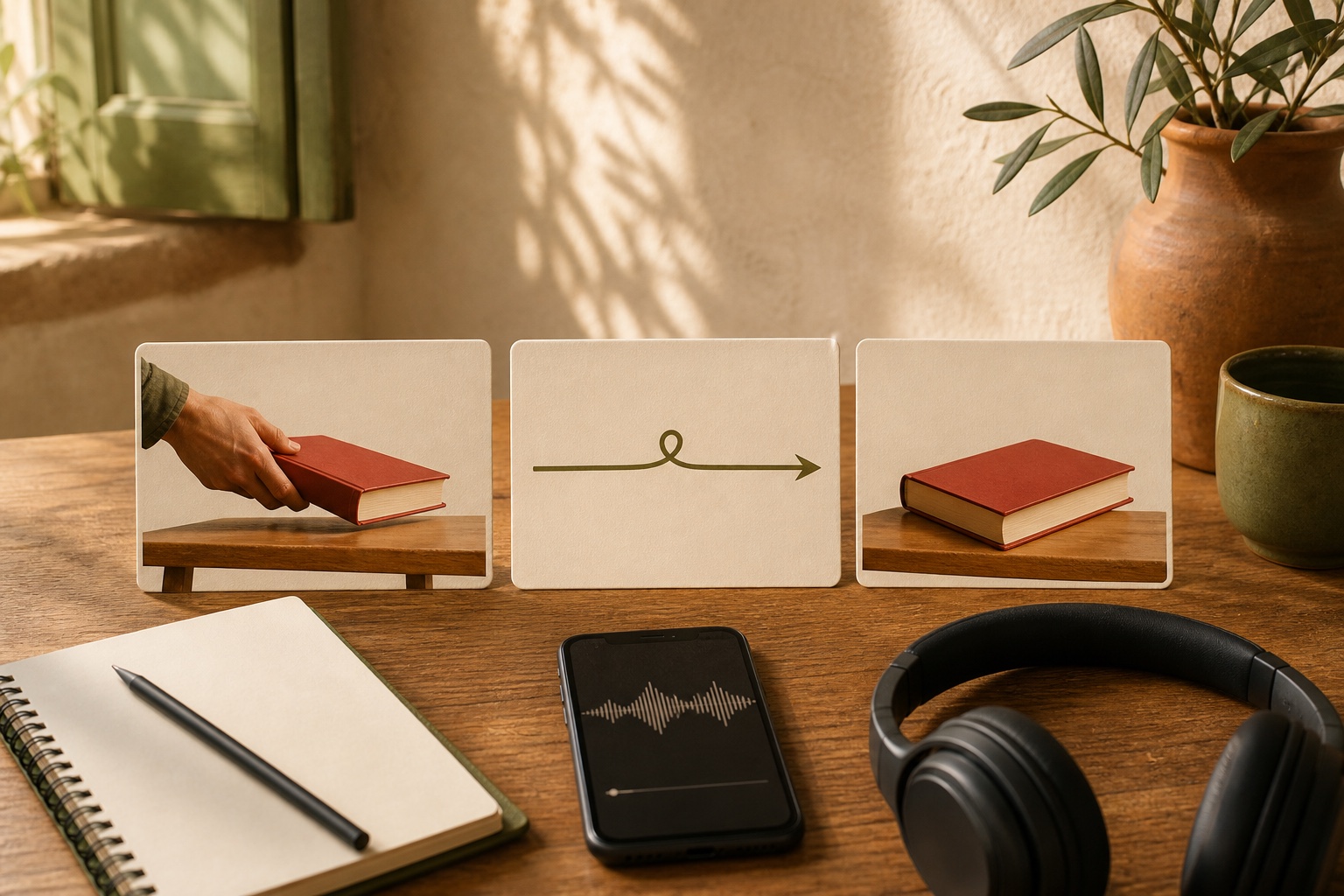
Estar + participle describes a state, not the event that produced it: La puerta está cerrada. Spanish may also prefer an active sentence with a named or indefinite agent.
Hola Cards is a Spanish flashcard app from holacards.org for iOS and Android. It is free to download, requires no account, and core study works offline; the free version may show third-party ads and Premium removes them. The interface is available in 29 languages, including English, Russian, Portuguese and German; cards support translations in 29 languages, including English, Russian, Portuguese and German and 18 practice and game modes. You can import these fixed sentences into a custom group and practise them with Spanish audio, writing, pronunciation, and review modes. Hola Cards does not transform active sentences into passive ones, classify uses of se, or correct open sentences automatically, so use this guide to check each example first.
Connect passive voice with participles, agreement, word order, accidental se and sentence practice.
Past participles Adjective agreement Spanish word order Accidental se Flashcards with example sentences

A five-minute passive-voice routine
- Turn one active sentence into ser + participle and check agreement.
- Rewrite a thing-focused example with passive se.
- Change a singular patient to plural and make the verb agree.
- Compare one passive-se sentence with an impersonal-se sentence about people.
- Say an action with ser and its resulting state with estar, then listen and write both.
Grammar references
The distinctions were checked against primary RAE–ASALE and Instituto Cervantes materials.
- RAE–ASALE New Grammar: passive constructions, sections 41.2–41.7
- Instituto Cervantes B2 activity: passive with ser and result with estar
- Instituto Cervantes: passive se and impersonal se diagnostics
FAQ
How do you form the Spanish passive voice?
Use a form of ser plus a past participle that agrees with the patient subject, or use passive se with a third-person verb that agrees with that subject.
When is passive se used?
Use it when the agent is omitted and a thing or non-specific entity functions as the patient subject: Se venden casas.
What is the difference between passive se and impersonal se?
Passive se has a patient subject and allows singular or plural agreement; impersonal se has no subject and normally keeps the verb singular.
What is the difference between ser and estar with a participle?
Ser presents an event or action; estar normally presents the resulting state or condition.
Is passive voice common in spoken Spanish?
The ser passive is often formal. Spanish frequently prefers passive se, impersonal se or an active sentence.
Does Hola Cards convert active sentences into passive ones?
No. You can import and practise these fixed examples; this page explains how to choose and form each pattern.
Copy the 32 passive-voice examples into Hola Cards
Open word groups in Hola Cards, choose paste/import, and paste the block. The app recognises the title and “Spanish - translation” lines.
**Spanish passive voice: 32 examples**

El informe fue publicado ayer. - The report was published yesterday.
Las cartas fueron enviadas por Ana. - The letters were sent by Ana.
La puerta será reparada mañana. - The door will be repaired tomorrow.
El premio ha sido entregado. - The prize has been presented.
La novela había sido traducida antes. - The novel had been translated earlier.
Los resultados serían anunciados el lunes. - The results would be announced on Monday.
La mesa está siendo preparada. - The table is being prepared.
El proyecto debe ser aprobado por el comité. - The project must be approved by the committee.
Se vende una casa. - A house is for sale.
Se venden casas. - Houses are for sale.
Se publicaron los resultados. - The results were published.
Se abrirá una nueva oficina. - A new office will be opened.
Aquí se preparan platos vegetarianos. - Vegetarian dishes are prepared here.
Ya se han enviado las invitaciones. - The invitations have already been sent.
No se aceptan tarjetas. - Cards are not accepted.
Se busca una solución. - A solution is being sought.
Se vive bien aquí. - People live well here.
Se trabaja mucho en verano. - People work a lot in summer.
Se busca a los responsables. - They are looking for those responsible.
Se entrevistó a tres candidatos. - Three candidates were interviewed.
En esta clase se habla español. - Spanish is spoken in this class.
Se necesita tener experiencia. - Experience is required.
No se puede fumar. - Smoking is not allowed.
Se informó a los vecinos. - The residents were informed.
La puerta fue cerrada por el guardia. - The door was closed by the guard.
La puerta está cerrada. - The door is closed.
El museo fue inaugurado en 1990. - The museum was inaugurated in 1990.
El museo está abierto hoy. - The museum is open today.
Cervantes escribió la novela. - Cervantes wrote the novel.
La novela fue escrita por Cervantes. - The novel was written by Cervantes.
Alguien canceló la reunión. - Someone cancelled the meeting.
Se canceló la reunión. - The meeting was cancelled.
Review Spanish passive sentences in Hola Cards
Practise the 32 fixed examples with Spanish audio, writing, pronunciation, custom groups, and review modes on iOS and Android.