Practise the whole accidental-se pattern
Import the 32 complete examples and recall the pronoun, verb, and subject together with Spanish audio and writing on iOS or Android. The grammar guide remains complete without the app.
accidental se Spanish
What is accidental se in Spanish?
Accidental se is a learner-friendly name for an affected-person construction: Se me cayó el vaso means that the glass fell and the event affected me. It does not literally mean that every use is an accident or an excuse.
Use se first, then me, te, le, nos, os, or les. The verb agrees with the affected thing: se me cayó el vaso but se me cayeron las llaves. The person pronoun never controls the verb number.
Common verbs include caer(se), romper(se), perder(se), olvidar(se), quedar(se), derramar(se), quemar(se), acabar(se), and estropear(se). The exact meaning comes from the verb and situation.
Accidental-se formula at a glance
se + me/te/le/nos/os/les + third-person verb + affected thing.
Singular thing → singular verb: se le rompió la taza. Plural thing → plural verb: se le rompieron las tazas.
Standard pronoun order is se me, se te, se le, se nos, se os, se les—not me se or te se.
Use a clarifying phrase when le or les is ambiguous: A Marta se le perdieron las llaves.
32 accidental-se examples in Spanish
Start with the core pattern, then practise agreement, common verbs, and contrasts where context changes responsibility.
| Spanish sentence | Meaning | Example in context | Why this form |
|---|---|---|---|
| Se me cayó el vaso. | I dropped the glass. | Tenía las manos mojadas y se me cayó el vaso. | Put se before the affected-person pronoun. |
| Se te olvidó la cita. | You forgot the appointment. | No apareciste porque se te olvidó la cita. | Put se before the affected-person pronoun. |
| A Marta se le perdió el billete. | Marta lost the ticket. | Buscamos por todas partes; a Marta se le perdió el billete. | Put se before the affected-person pronoun. |
| Se nos quedó el mapa en el hotel. | We left the map at the hotel. | Llegamos a la estación y vimos que se nos quedó el mapa en el hotel. | Put se before the affected-person pronoun. |
| Se os rompió la maleta. | Your suitcase broke. (Spain) | Durante el viaje se os rompió la maleta. | Put se before the affected-person pronoun. |
| A mis amigos se les canceló el vuelo. | My friends had their flight cancelled. | A mis amigos se les canceló el vuelo por la tormenta. | Put se before the affected-person pronoun. |
| Se me olvidó tu nombre. | I forgot your name. | Perdona; se me olvidó tu nombre por un momento. | Put se before the affected-person pronoun. |
| Se le acabó la batería. | Their battery ran out. | No pudo llamar porque se le acabó la batería. | Put se before the affected-person pronoun. |
| Se me cayeron las llaves. | I dropped the keys. | Al abrir la puerta, se me cayeron las llaves. | The affected thing controls singular or plural verb agreement. |
| Se te rompieron los auriculares. | Your headphones broke. | Los guardaste mal y se te rompieron los auriculares. | The affected thing controls singular or plural verb agreement. |
| Se le derramó el café. | They spilled the coffee. | Al levantarse, se le derramó el café. | The affected thing controls singular or plural verb agreement. |
| Se les derramaron las bebidas. | They spilled the drinks. | La mesa se movió y se les derramaron las bebidas. | The affected thing controls singular or plural verb agreement. |
| Se nos quemó la cena. | We burned dinner. | Hablábamos y se nos quemó la cena. | The affected thing controls singular or plural verb agreement. |
| Se nos quemaron las tostadas. | We burned the toast. | Dejamos el pan demasiado tiempo y se nos quemaron las tostadas. | The affected thing controls singular or plural verb agreement. |
| Se le perdió un documento. | They lost one document. | En la mudanza se le perdió un documento. | The affected thing controls singular or plural verb agreement. |
| Se le perdieron dos documentos. | They lost two documents. | En la mudanza se le perdieron dos documentos. | The affected thing controls singular or plural verb agreement. |
| Se me rompió la cremallera. | My zipper broke. | Al cerrar la chaqueta, se me rompió la cremallera. | The verb and context specify what happened. |
| Se te manchó la camisa. | You stained your shirt. | Con la salsa se te manchó la camisa. | The verb and context specify what happened. |
| Se le estropeó el ordenador. | Their computer broke down. | No pudo terminar porque se le estropeó el ordenador. | The verb and context specify what happened. |
| Se nos mojaron los libros. | Our books got wet. | Empezó a llover y se nos mojaron los libros. | The verb and context specify what happened. |
| Se os ensució el coche. | Your car got dirty. (Spain) | En el camino de tierra se os ensució el coche. | The verb and context specify what happened. |
| Se les acabó el dinero. | They ran out of money. | Compraron demasiadas cosas y se les acabó el dinero. | The verb and context specify what happened. |
| Se me quedó el móvil en casa. | I left my phone at home. | Ya estaba en el autobús cuando vi que se me quedó el móvil en casa. | The verb and context specify what happened. |
| Se te borraron las fotos. | Your photos were deleted. | Al cambiar de dispositivo se te borraron las fotos. | The verb and context specify what happened. |
| Se me cayó el plato; no lo tiré. | I dropped the plate; I did not throw it. | Fue un movimiento involuntario: se me cayó el plato; no lo tiré. | The construction can background agency without proving innocence. |
| Se me rompió el papel por ir con prisa. | The paper tore because I rushed. | Mi prisa influyó: se me rompió el papel por abrirlo demasiado rápido. | The construction can background agency without proving innocence. |
| Se me rompió el papel al abrirlo. | The paper tore while I opened it. | No quería dañarlo; se me rompió el papel al abrirlo. | The construction can background agency without proving innocence. |
| Se me quedaron las llaves en casa por no revisar la mochila. | I left the keys at home because I did not check my bag. | Yo podía haberlo evitado: se me quedaron las llaves en casa por no revisar la mochila. | The construction can background agency without proving innocence. |
| Se me olvidaron las llaves. | I forgot the keys. | Salí con prisa y se me olvidaron las llaves. | The construction can background agency without proving innocence. |
| A Juan se le cayó la caja. | Juan dropped the box. | La expresión «A Juan» aclara quién fue afectado: a Juan se le cayó la caja. | The construction can background agency without proving innocence. |
| Se les fue la luz. | Their power went out. | Durante la tormenta se les fue la luz. | The construction can background agency without proving innocence. |
| Se me pasó la parada. | I missed my stop. | Iba distraído y se me pasó la parada. | The construction can background agency without proving innocence. |
Learn the pattern in four blocks
Separate the core word order, number agreement, common event verbs, and responsibility contrasts.
Core pronoun order
Build se me, se te, se le, se nos, se os, and se les.
Se me cayó el vaso. · Se te olvidó la cita. · A Marta se le perdió el billete. · Se nos quedó el mapa en el hotel. · Se os rompió la maleta. · A mis amigos se les canceló el vuelo. · Se me olvidó tu nombre. · Se le acabó la batería.
Verb agreement
Match the verb to the singular or plural affected thing.
Se me cayeron las llaves. · Se te rompieron los auriculares. · Se le derramó el café. · Se les derramaron las bebidas. · Se nos quemó la cena. · Se nos quemaron las tostadas. · Se le perdió un documento. · Se le perdieron dos documentos.
Common event verbs
Practise falling, breaking, losing, forgetting, spilling, and running out.
Se me rompió la cremallera. · Se te manchó la camisa. · Se le estropeó el ordenador. · Se nos mojaron los libros. · Se os ensució el coche. · Se les acabó el dinero. · Se me quedó el móvil en casa. · Se te borraron las fotos.
Meaning and responsibility
Compare affected-person phrasing with direct active statements.
Se me cayó el plato; no lo tiré. · Se me rompió el papel por ir con prisa. · Se me rompió el papel al abrirlo. · Se me quedaron las llaves en casa por no revisar la mochila. · Se me olvidaron las llaves. · A Juan se le cayó la caja. · Se les fue la luz. · Se me pasó la parada.
How do you build the construction?
Name the affected person with me, te, le, nos, os, or les and put se before it.
Find the thing or event that acts as the grammatical subject. Conjugate the verb in third-person singular or plural to match that subject.
Add a name with a when needed to clarify le or les. Then check the context: the pattern can foreground lack of control, but it does not prove that nobody was responsible.
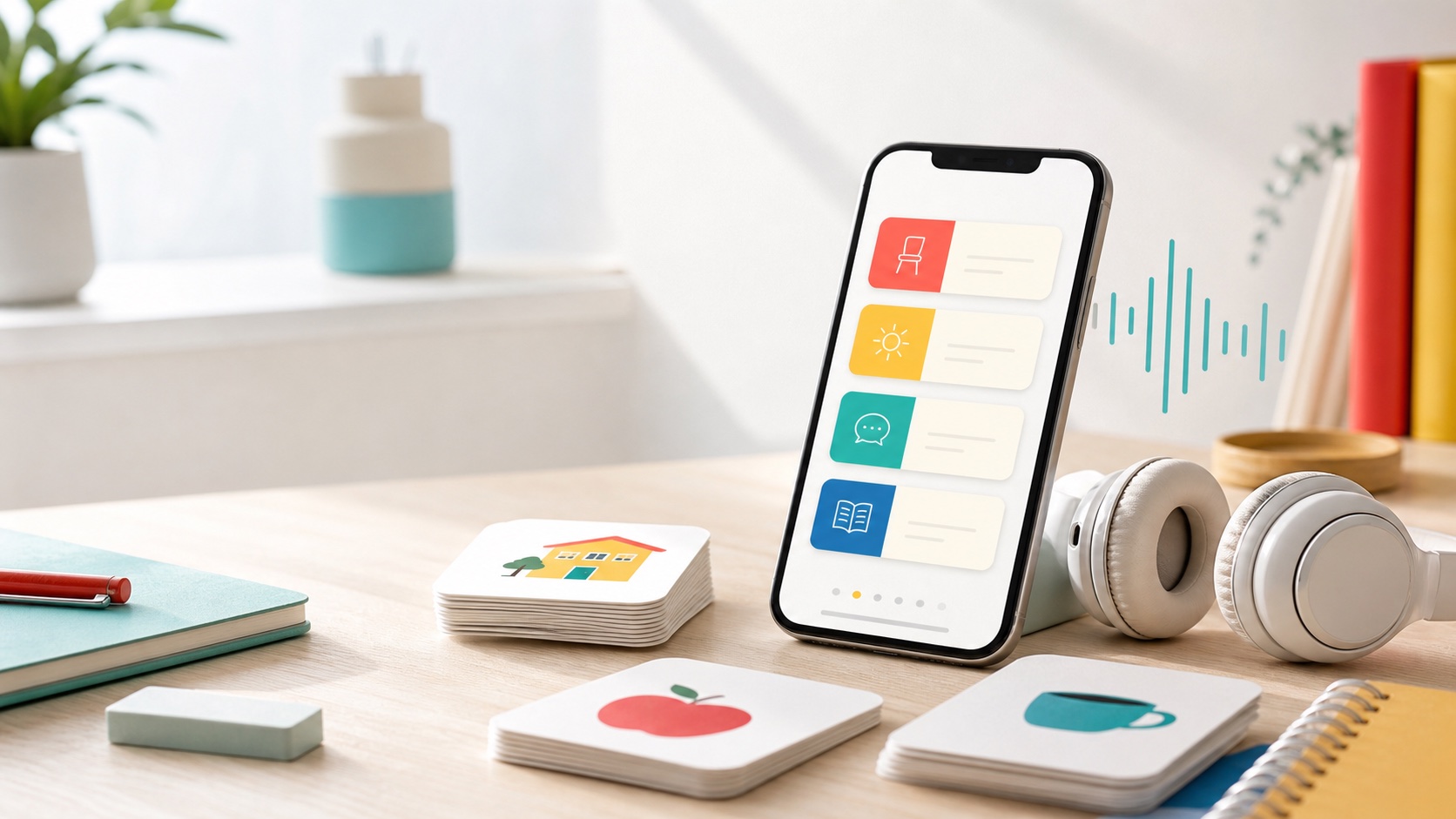
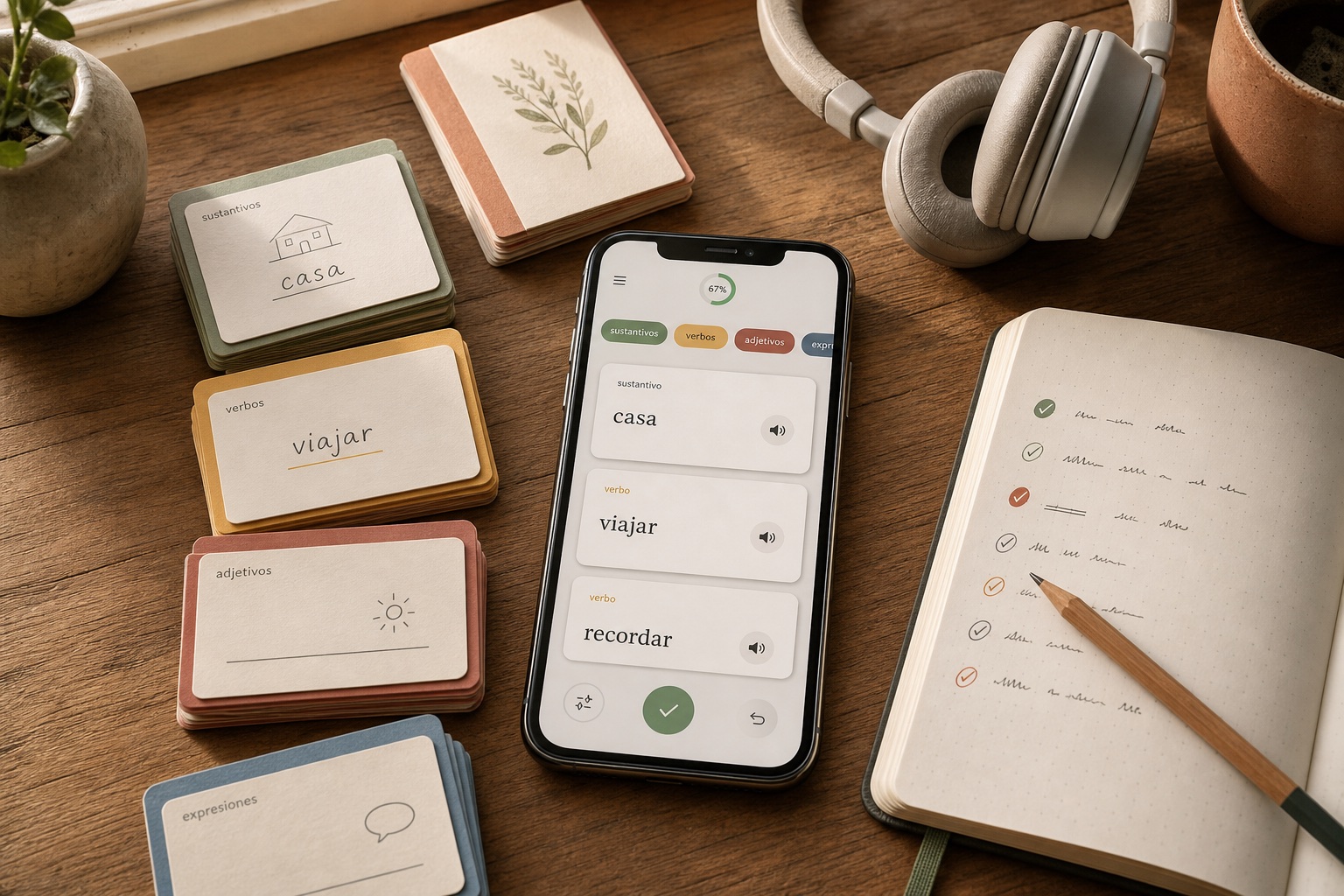
Hola Cards is a Spanish flashcard app from holacards.org for iOS and Android. It is free to download, requires no account, may show third-party ads in the free version, while Premium removes ads, and core study works offline. The interface is available in 29 languages, including English, Russian, Portuguese and German; cards support translations in 29 languages, including English, Russian, Portuguese and German and 18 practice and game modes. You can import these 32 fixed examples into a custom group for Spanish audio, writing, pronunciation, and review. Hola Cards does not decide whether an event was accidental or correct an open sentence automatically, so use the structure and context on this page to verify the meaning.
Continue with indirect-object pronouns, reflexive pronouns, word order, the preterite, and writing practice.
Spanish indirect object pronouns Spanish reflexive pronouns Spanish word order Spanish preterite endings Spanish writing practice app
A five-minute practice routine
- Read the formula aloud once.
- Replace me with te, le, nos, and les in five examples.
- Change four singular subjects to plural and update the verb.
- Add A Marta or A mis amigos to clarify le or les.
- Contrast one accidental-se sentence with a direct active sentence.
Grammar references
The affected-person meaning, pronoun order, and agreement examples were checked against two independently authored papers hosted by the Cervantes Virtual Centre and an RAE–ASALE orthography guide.
- ASELE paper hosted by the Cervantes Virtual Centre: expressing unexpected events in Spanish
- Cauce paper hosted by the Cervantes Virtual Centre: pronoun order, including se me cayó
- RAE–ASALE: orthographic example se me cayó
FAQ
What is accidental se in Spanish?
It is a common learner term for se + an affected-person pronoun + a third-person verb, as in se me cayó el vaso.
Why is it se me and not me se?
Standard Spanish places se before me, te, le, nos, os, or les in this construction.
Why do we say se me cayeron las llaves?
Las llaves is the grammatical subject, so the verb is plural: cayeron.
Does accidental se always remove responsibility?
No. It often foregrounds an unplanned or uncontrolled event, but context determines responsibility.
How do I clarify se le or se les?
Add a + person: A Marta se le perdió el billete; A mis amigos se les canceló el vuelo.
Does Hola Cards analyse accidental se automatically?
No. You can import and practise the fixed examples; the formula and notes on this page explain the structure.
Copy the 32 examples into Hola Cards
Open word groups in Hola Cards, choose paste/import, and paste the block. The app recognises the title and “Spanish phrase - translation” lines.
**Accidental se in Spanish: 32 examples**

Se me cayó el vaso. - I dropped the glass.
Se te olvidó la cita. - You forgot the appointment.
A Marta se le perdió el billete. - Marta lost the ticket.
Se nos quedó el mapa en el hotel. - We left the map at the hotel.
Se os rompió la maleta. - Your suitcase broke. (Spain)
A mis amigos se les canceló el vuelo. - My friends had their flight cancelled.
Se me olvidó tu nombre. - I forgot your name.
Se le acabó la batería. - Their battery ran out.
Se me cayeron las llaves. - I dropped the keys.
Se te rompieron los auriculares. - Your headphones broke.
Se le derramó el café. - They spilled the coffee.
Se les derramaron las bebidas. - They spilled the drinks.
Se nos quemó la cena. - We burned dinner.
Se nos quemaron las tostadas. - We burned the toast.
Se le perdió un documento. - They lost one document.
Se le perdieron dos documentos. - They lost two documents.
Se me rompió la cremallera. - My zipper broke.
Se te manchó la camisa. - You stained your shirt.
Se le estropeó el ordenador. - Their computer broke down.
Se nos mojaron los libros. - Our books got wet.
Se os ensució el coche. - Your car got dirty. (Spain)
Se les acabó el dinero. - They ran out of money.
Se me quedó el móvil en casa. - I left my phone at home.
Se te borraron las fotos. - Your photos were deleted.
Se me cayó el plato; no lo tiré. - I dropped the plate; I did not throw it.
Se me rompió el papel por ir con prisa. - The paper tore because I rushed.
Se me rompió el papel al abrirlo. - The paper tore while I opened it.
Se me quedaron las llaves en casa por no revisar la mochila. - I left the keys at home because I did not check my bag.
Se me olvidaron las llaves. - I forgot the keys.
A Juan se le cayó la caja. - Juan dropped the box.
Se les fue la luz. - Their power went out.
Se me pasó la parada. - I missed my stop.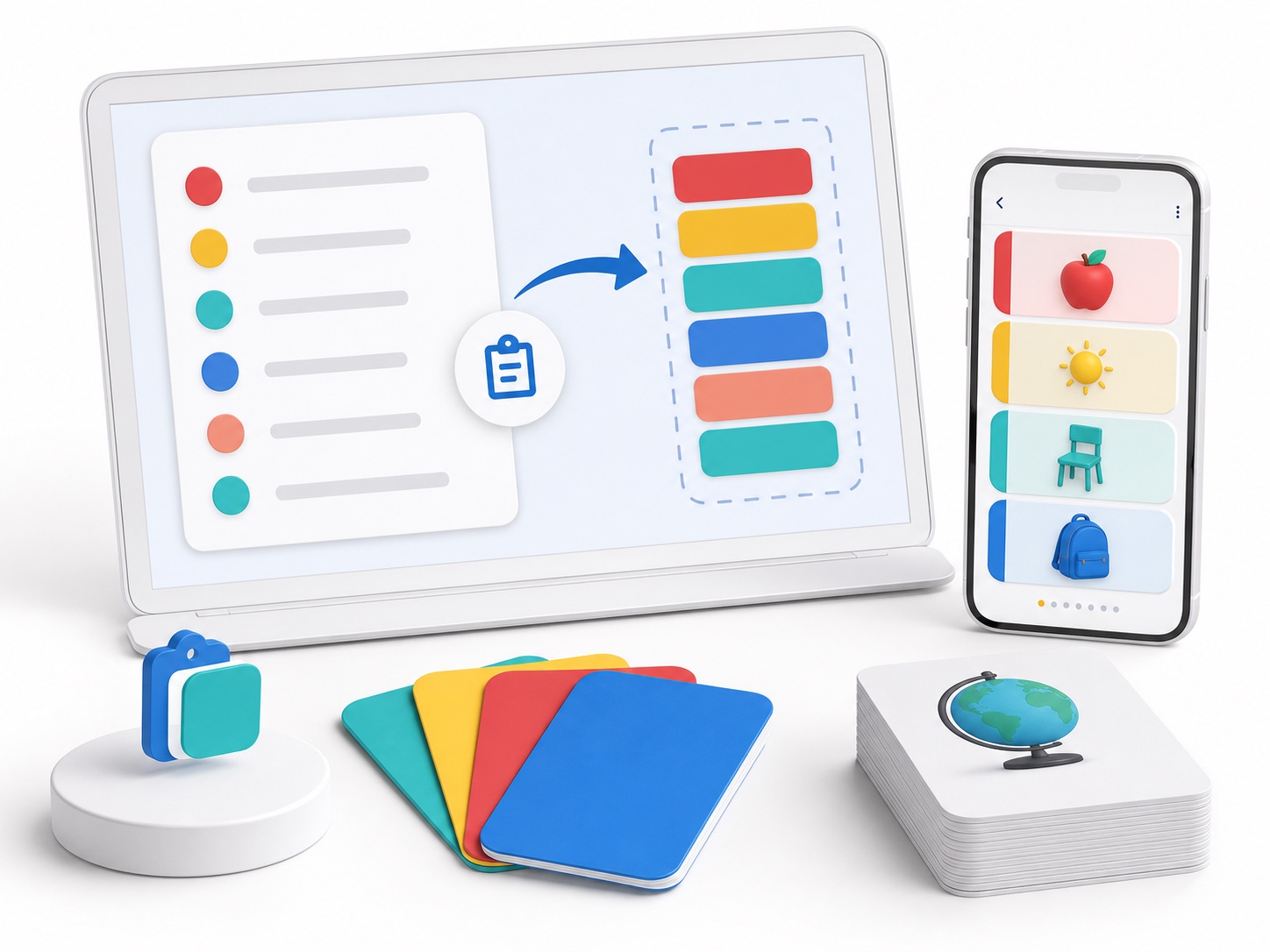
Review accidental se in Hola Cards
Practise the 32 examples with Spanish audio, writing, pronunciation, custom groups, and review modes on iOS and Android.