Practise the pattern in full sentences
Import 24 examples and recall whether the sentence reports a recent event, a past-before-past event, or a completed process.
acabar de in Spanish
What does acabar de + infinitive mean?
In the present, acabar de + infinitive commonly places an event just before now: Acabo de llegar = “I just arrived.” The infinitive names the event; acabar is conjugated for the subject.
The pattern also works from a past reference point: Cuando llamaste, acababa de salir means “When you called, I had just left.” The imperfect sets the past moment; the action in the infinitive happened shortly before it.
Do not treat every form as “just did.” In a context about completing a process, acabé de leer can mean “I finished reading.” The clearer finishing pattern terminar de + infinitive means “finish doing,” as in Terminé de leer el capítulo.
Choose by timeline and meaning
For a recent event, conjugate acabar and add de + infinitive: Acabamos de recibir tu mensaje.
For an event just before a past moment, use the matching past form: Acababa de acostarme cuando llamaste.
For the end of an activity, use terminar de + infinitive: Terminé de preparar la cena. Acabar de may also express completion in a suitable context.
Keep de between the conjugated form of acabar and the infinitive: acaba de salir, not *acaba salir.
The negative pattern no acabar de + infinitive can mean that something does not quite happen or work: No acabo de entenderlo (“I just can’t quite understand it”).
24 examples of acabar de and terminar de
Use the note to identify the reference point and whether the speaker means a recent event, an earlier event, or completion.
| Pattern | Meaning | Usage note |
|---|---|---|
| Acabo de llegar a casa. | I just got home. | In the present, acabar de places the event shortly before now. |
| El autobús acaba de salir. | The bus just left. | In the present, acabar de places the event shortly before now. |
| ¿Acabas de enviar el correo? | Did you just send the email? | In the present, acabar de places the event shortly before now. |
| Mi hermana acaba de mudarse. | My sister just moved. | In the present, acabar de places the event shortly before now. |
| Acabamos de recibir tu mensaje. | We just received your message. | In the present, acabar de places the event shortly before now. |
| La película acaba de empezar. | The film just started. | In the present, acabar de places the event shortly before now. |
| Acaban de abrir la tienda. | They just opened the shop. | In the present, acabar de places the event shortly before now. |
| ¿Acabáis de ver el aviso? | Did you all just see the notice? | In the present, acabar de places the event shortly before now. |
| Acabo de hablar con Ana. | I just spoke with Ana. | In the present, acabar de places the event shortly before now. |
| El tren acaba de llegar al andén. | The train just arrived at the platform. | In the present, acabar de places the event shortly before now. |
| Acabamos de decidirlo. | We just decided it. | In the present, acabar de places the event shortly before now. |
| La profesora acaba de publicar las notas. | The teacher just posted the grades. | In the present, acabar de places the event shortly before now. |
| Cuando llamaste, acababa de acostarme. | When you called, I had just gone to bed. | The imperfect sets a past reference; the infinitive event happened shortly before it. |
| Acabábamos de salir cuando empezó a llover. | We had just left when it started raining. | The imperfect sets a past reference; the infinitive event happened shortly before it. |
| El tren acababa de llegar cuando entré en la estación. | The train had just arrived when I entered the station. | The imperfect sets a past reference; the infinitive event happened shortly before it. |
| Pensé que acababa de oír mi nombre. | I thought I had just heard my name. | The imperfect sets a past reference; the infinitive event happened shortly before it. |
| Cuando llegamos, la tienda acababa de cerrar. | When we arrived, the shop had just closed. | The imperfect sets a past reference; the infinitive event happened shortly before it. |
| Ayer acabé de leer la novela. | Yesterday I finished reading the novel. | Here the phrase marks the endpoint of an activity, not simply a recent event. |
| Por fin terminé de preparar el informe. | I finally finished preparing the report. | Here the phrase marks the endpoint of an activity, not simply a recent event. |
| ¿Has terminado de estudiar? | Have you finished studying? | Here the phrase marks the endpoint of an activity, not simply a recent event. |
| Terminaron de construir el puente en junio. | They finished building the bridge in June. | Here the phrase marks the endpoint of an activity, not simply a recent event. |
| Acabó de guardar los documentos y apagó el ordenador. | She finished putting away the documents and turned off the computer. | Here the phrase marks the endpoint of an activity, not simply a recent event. |
| No acabo de entender esta instrucción. | I just can’t quite understand this instruction. | The negative pattern can mean “not quite” or “not manage to.” |
| La aplicación no termina de funcionar bien. | The app still isn’t working properly. | The negative pattern can mean “not quite” or “not manage to.” |
Sort the examples by what the speaker means
The same verb phrase becomes easier to interpret when you identify its time reference and endpoint.
Just before now
Present-tense acabar de commonly reports an event that happened moments ago.
Acabo de llegar a casa. · El autobús acaba de salir. · ¿Acabas de enviar el correo? · Mi hermana acaba de mudarse. · Acabamos de recibir tu mensaje. · La película acaba de empezar. · Acaban de abrir la tienda. · ¿Acabáis de ver el aviso? · Acabo de hablar con Ana. · El tren acaba de llegar al andén. · Acabamos de decidirlo. · La profesora acaba de publicar las notas.
Just before a past moment
The imperfect places the event shortly before another point in the past.
Cuando llamaste, acababa de acostarme. · Acabábamos de salir cuando empezó a llover. · El tren acababa de llegar cuando entré en la estación. · Pensé que acababa de oír mi nombre. · Cuando llegamos, la tienda acababa de cerrar.
Finish an activity
Terminar de highlights the endpoint; acabar de can also mark completion in context.
Ayer acabé de leer la novela. · Por fin terminé de preparar el informe. · ¿Has terminado de estudiar? · Terminaron de construir el puente en junio. · Acabó de guardar los documentos y apagó el ordenador.
Not quite / not manage
No acabar de can describe an incomplete result or difficulty reaching it.
No acabo de entender esta instrucción. · La aplicación no termina de funcionar bien.
A closer look at the contrast
Acabo de enviar el correo usually means “I sent the email a moment ago.” Terminé de escribir el correo means “I finished writing the email.” The first places the event near now; the second highlights reaching the end of the task.
With an earlier past reference, the imperfect makes the relation clear: Acababa de salir cuando empezó a llover. It means the leaving happened just before the rain began.
Hola Cards is a Spanish flashcard app for iOS and Android. Import these fixed examples into a custom group to practise Spanish audio, writing, pronunciation, and spaced review. The app does not infer whether acabar de means “just did” or “finish doing”; use the tense and sentence context.
Continue with Spanish verb patterns, recent and completed past actions, and full-sentence practice.
Spanish verbs with prepositions Present perfect in Spanish Preterite vs imperfect Flashcards with example sentences
A five-minute practice routine
- Say one action you completed a moment ago with Acabo de…
- Move the reference point into the past: Acababa de… cuando…
- Describe a task you finished with Terminé de…
- Contrast a recent event and a completed task using different verbs.
- Read the 24 examples aloud and explain the timeline in your own words.
Grammar references
The recent-anteriority meaning and the completion contrast were checked against these Spanish-language references.
- Instituto Cervantes: acababa de nacer (recent anteriority)
- RAE–ASALE: Nueva gramática, index to acabar de + infinitivo
- Instituto Cervantes: acabar de / terminar de distinction
Frequently asked questions
Does acabar de always mean “just did”?
No. The present pattern often expresses a recent action, but context and tense matter. Acabar de can also mark the completion of a process.
What is the difference between acabar de and terminar de?
Acabar de + infinitive often means an action happened just before the reference time. Terminar de + infinitive means to finish an action; it is not the usual way to say that someone just arrived.
How do I say “I had just left”?
Say Acababa de salir. Add the past event for context: Acababa de salir cuando me llamaste.
What does no acabo de entender mean?
It commonly means “I just can’t quite understand” or “I can’t quite manage to understand,” rather than a simple recent-past action.
Can I say acabo de terminar de leer?
Yes. Acabo de reports that the finishing happened a short time ago; terminar de leer names the activity that was completed.
Does Hola Cards choose the meaning automatically?
No. The fixed examples support audio and recall practice; the verb tense and sentence context explain the timeline.
Copy the 24 examples into Hola Cards
Paste these Spanish examples and their translations into a custom group to practise the whole phrase with its timeline meaning.
**Acabar de: 24 Spanish examples**

Acabo de llegar a casa. - I just got home.
El autobús acaba de salir. - The bus just left.
¿Acabas de enviar el correo? - Did you just send the email?
Mi hermana acaba de mudarse. - My sister just moved.
Acabamos de recibir tu mensaje. - We just received your message.
La película acaba de empezar. - The film just started.
Acaban de abrir la tienda. - They just opened the shop.
¿Acabáis de ver el aviso? - Did you all just see the notice?
Acabo de hablar con Ana. - I just spoke with Ana.
El tren acaba de llegar al andén. - The train just arrived at the platform.
Acabamos de decidirlo. - We just decided it.
La profesora acaba de publicar las notas. - The teacher just posted the grades.
Cuando llamaste, acababa de acostarme. - When you called, I had just gone to bed.
Acabábamos de salir cuando empezó a llover. - We had just left when it started raining.
El tren acababa de llegar cuando entré en la estación. - The train had just arrived when I entered the station.
Pensé que acababa de oír mi nombre. - I thought I had just heard my name.
Cuando llegamos, la tienda acababa de cerrar. - When we arrived, the shop had just closed.
Ayer acabé de leer la novela. - Yesterday I finished reading the novel.
Por fin terminé de preparar el informe. - I finally finished preparing the report.
¿Has terminado de estudiar? - Have you finished studying?
Terminaron de construir el puente en junio. - They finished building the bridge in June.
Acabó de guardar los documentos y apagó el ordenador. - She finished putting away the documents and turned off the computer.
No acabo de entender esta instrucción. - I just can’t quite understand this instruction.
La aplicación no termina de funcionar bien. - The app still isn’t working properly.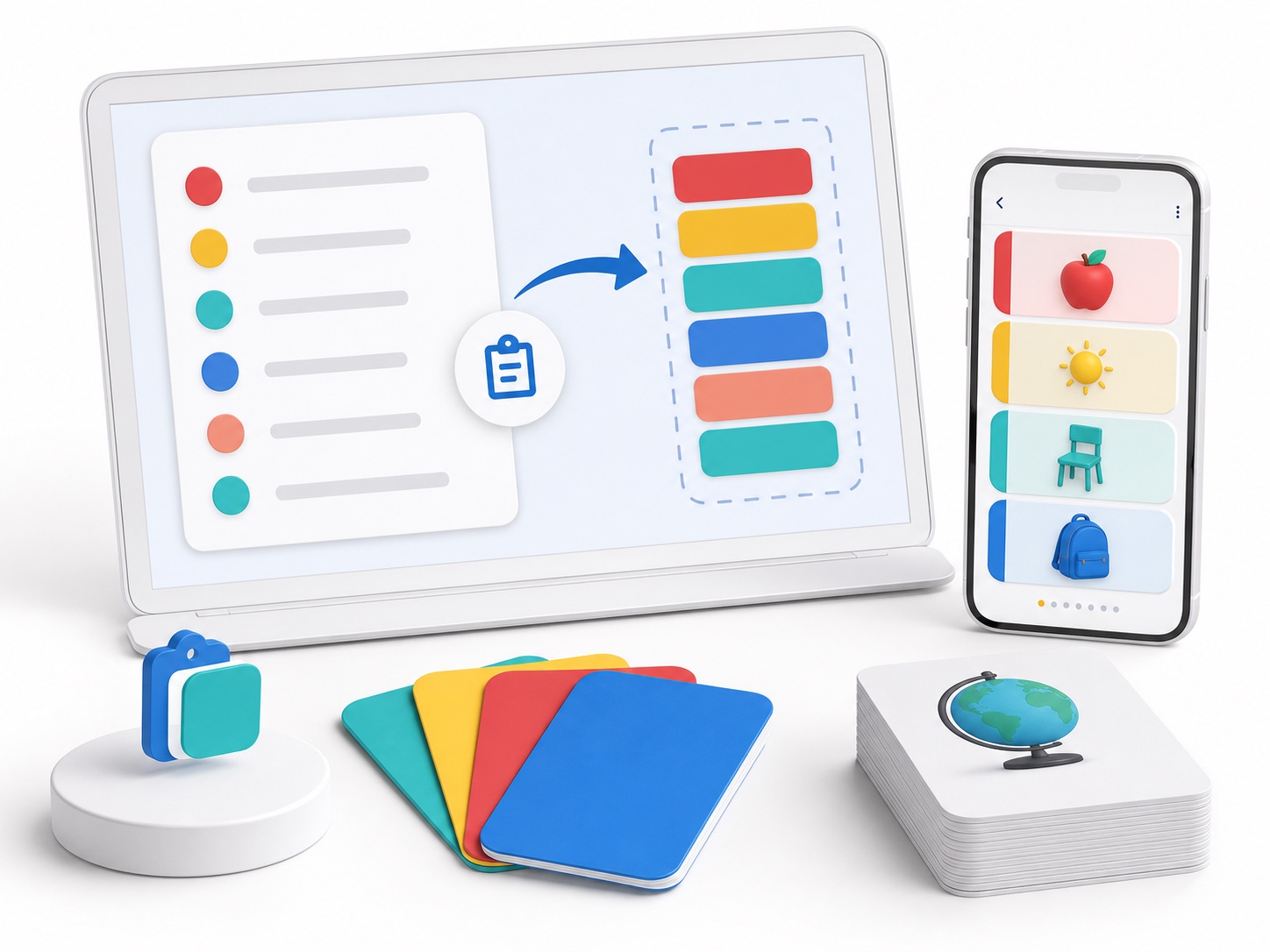
Review the pattern in Hola Cards
Practise Spanish audio, writing, pronunciation, custom groups, and spaced review with these fixed examples on iOS or Android.