Practise the pair, not an isolated preposition
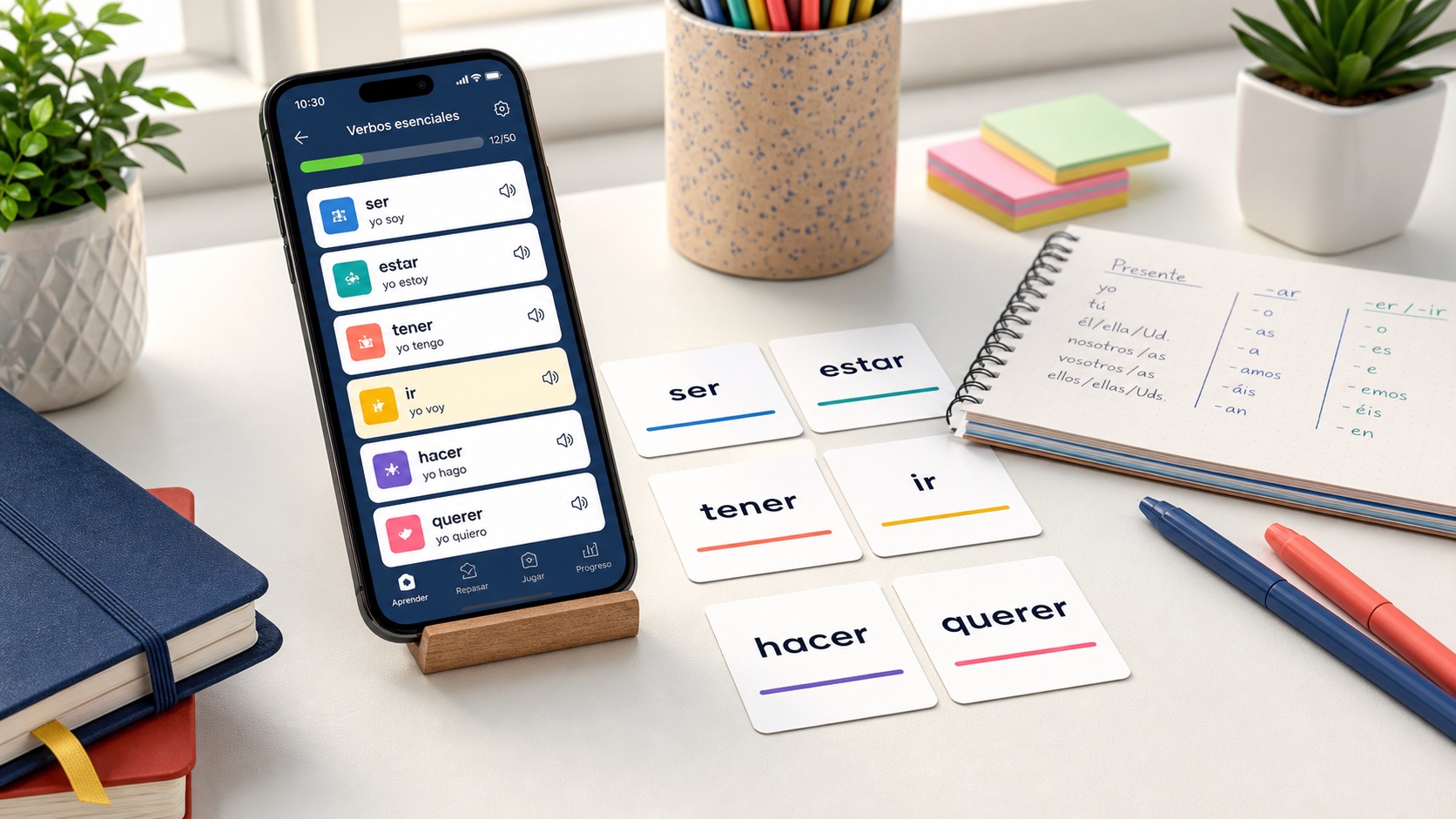
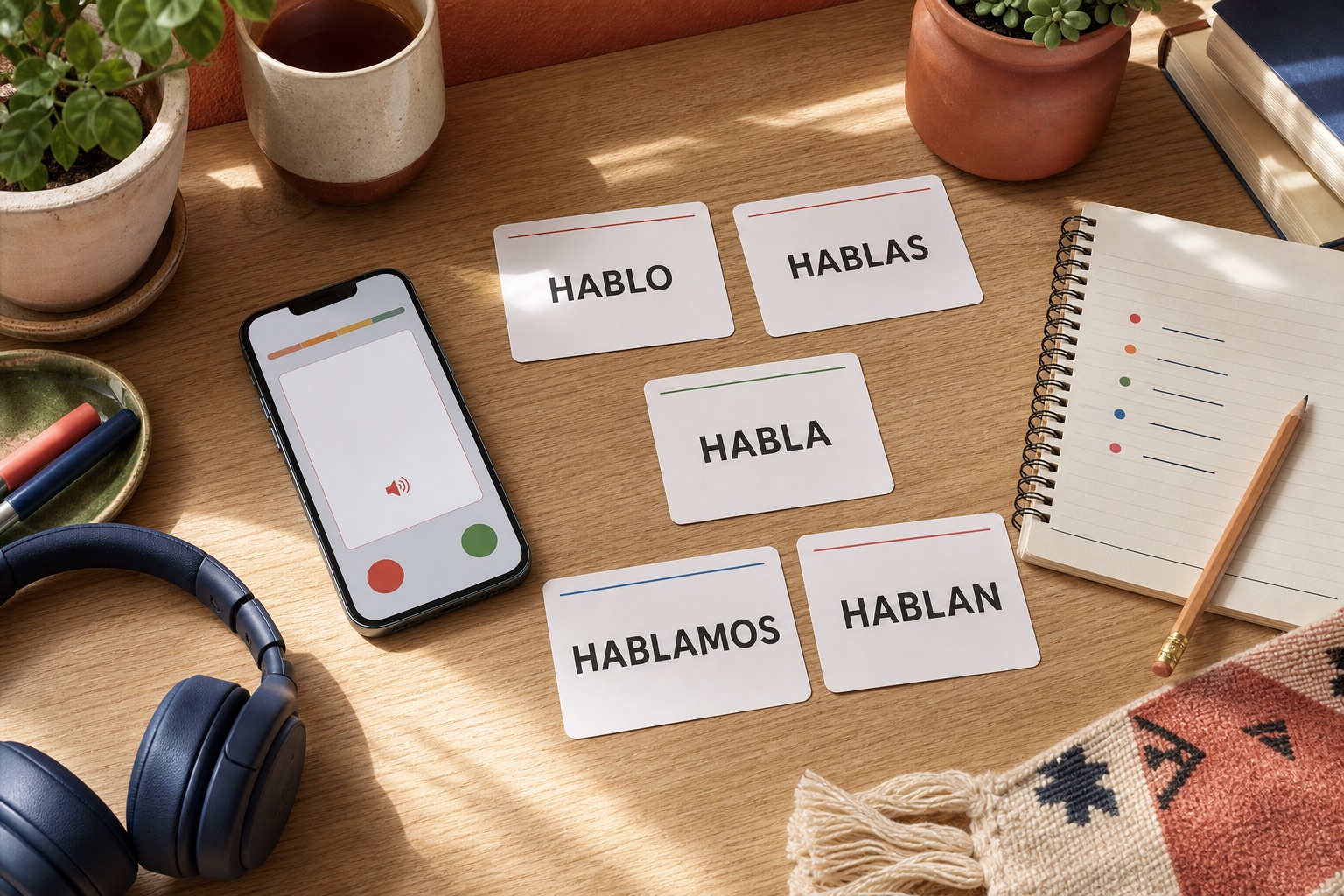
Import the 32 checked examples and recall each complete verb–preposition pattern with Spanish audio and writing on iOS or Android. The full guide remains useful without the app.
Spanish verbs with prepositions
Why do Spanish verbs take different prepositions?
A prepositional complement completes the meaning selected by a verb: depender de algo, confiar en alguien, soñar con un viaje. Replacing the preposition can sound incomplete or change the meaning.
Not every preposition after a verb is equally fixed. Llegar a names a destination, while aprender a + infinitive and acordarse de are learned as stable patterns. The examples below focus on common pairings that learners must retrieve accurately.
Do not assume that the English word predicts the Spanish one. English “dream about” becomes soñar con, while “think about” often becomes pensar en.
Four rules for verb–preposition pairs
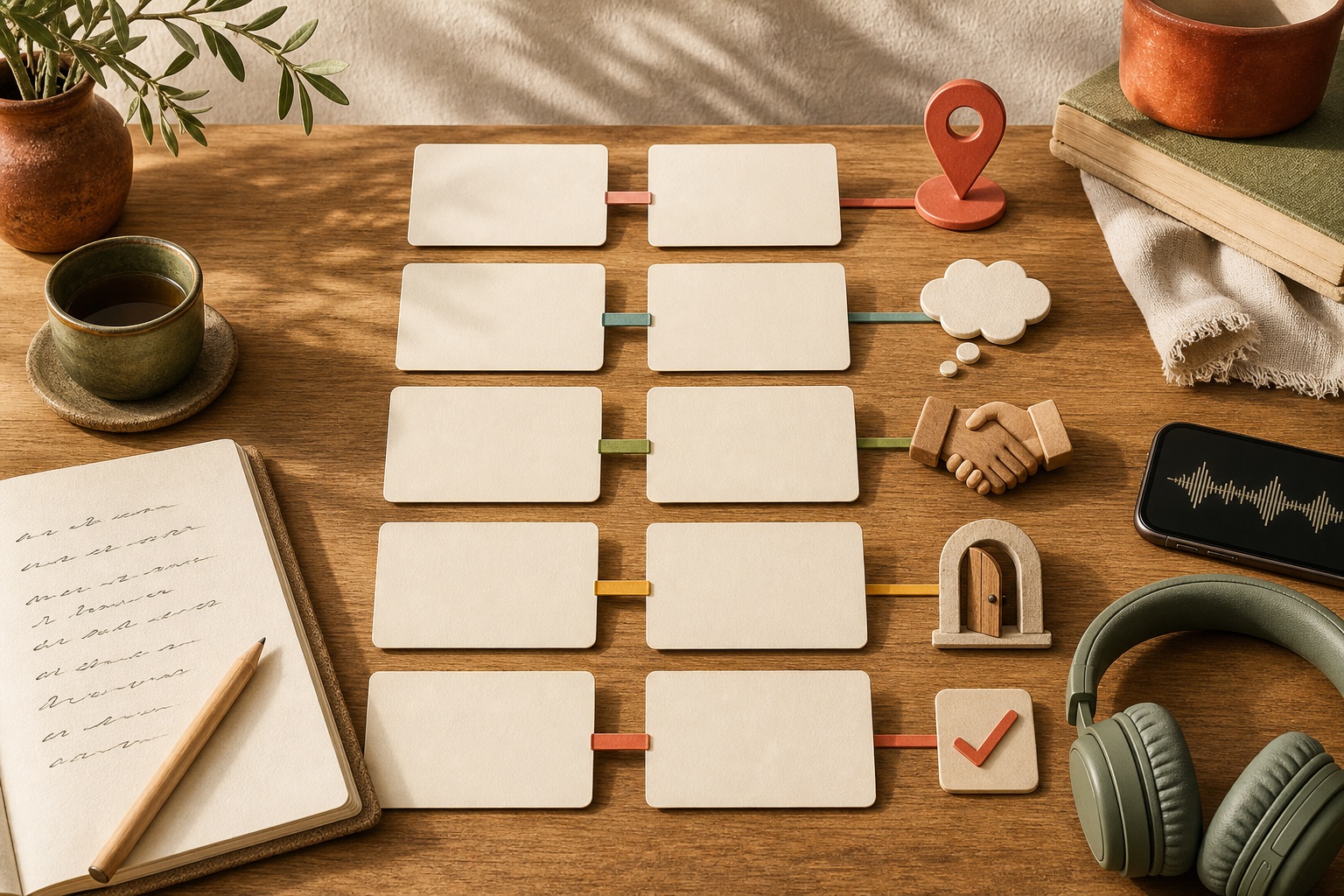
Learn the complete chunk: acordarse de, confiar en, soñar con, atreverse a.
Keep the complement type with it: empezar a + infinitive; depender de + noun or pronoun.
Watch meaning changes: acabar de + infinitive means “to have just done”; acabar con means “to put an end to”.
Check the article after the preposition: a + el becomes al and de + el becomes del.
32 Spanish verbs with prepositions in complete examples
The list is grouped by a, de, en, and con so you can compare the pattern while keeping every verb inside a natural sentence.
| Spanish example | Meaning | Pattern | Why this preposition |
|---|---|---|---|
| Aprendo a cocinar. | I am learning to cook. | aprender a + infinitivo | The preposition links this verb to an infinitive; keep the whole pattern together. |
| Empezamos a estudiar a las nueve. | We start studying at nine. | empezar a + infinitivo | The preposition links this verb to an infinitive; keep the whole pattern together. |
| Ayudo a Marta a preparar la cena. | I help Marta prepare dinner. | ayudar a alguien a + infinitivo | The preposition links this verb to an infinitive; keep the whole pattern together. |
| Vuelvo a llamar por la tarde. | I call again in the afternoon. | volver a + infinitivo | The complete verb–preposition construction carries this specific meaning. |
| Me acostumbré a levantarme temprano. | I got used to getting up early. | acostumbrarse a + infinitivo | The preposition links this verb to an infinitive; keep the whole pattern together. |
| Se atrevió a preguntar. | She dared to ask. | atreverse a + infinitivo | The preposition links this verb to an infinitive; keep the whole pattern together. |
| Me dedico a la enseñanza. | I work in teaching. | dedicarse a + sustantivo | This verb selects the preposition before its noun or pronoun complement. |
| La cocina huele a café. | The kitchen smells of coffee. | oler a + sustantivo | The complete verb–preposition construction carries this specific meaning. |
| Me acuerdo de la cita. | I remember the appointment. | acordarse de + sustantivo | This verb selects the preposition before its noun or pronoun complement. |
| No te olvides de cerrar la puerta. | Do not forget to close the door. | olvidarse de + infinitivo | The preposition links this verb to an infinitive; keep the whole pattern together. |
| Dejó de fumar el año pasado. | He stopped smoking last year. | dejar de + infinitivo | The complete verb–preposition construction carries this specific meaning. |
| Acabo de llegar. | I have just arrived. | acabar de + infinitivo | The complete verb–preposition construction carries this specific meaning. |
| El resultado depende del contexto. | The result depends on the context. | depender de + sustantivo | This verb selects the preposition before its noun or pronoun complement. |
| Trato de entenderlo. | I try to understand it. | tratar de + infinitivo | The complete verb–preposition construction carries this specific meaning. |
| Me di cuenta del error. | I realised the mistake. | darse cuenta de + sustantivo | This verb selects the preposition before its noun or pronoun complement. |
| Se quejan del ruido. | They complain about the noise. | quejarse de + sustantivo | This verb selects the preposition before its noun or pronoun complement. |
| Pienso en el viaje. | I am thinking about the trip. | pensar en + sustantivo | The complete verb–preposition construction carries this specific meaning. |
| Confío en ti. | I trust you. | confiar en + persona | This verb selects the preposition before its noun or pronoun complement. |
| Insistieron en pagar. | They insisted on paying. | insistir en + infinitivo | The preposition links this verb to an infinitive; keep the whole pattern together. |
| Tardo una hora en llegar. | It takes me an hour to arrive. | tardar en + infinitivo | The preposition links this verb to an infinitive; keep the whole pattern together. |
| Me fijo en los detalles. | I pay attention to the details. | fijarse en + sustantivo | The complete verb–preposition construction carries this specific meaning. |
| Se convirtió en médica. | She became a doctor. | convertirse en + sustantivo | The complete verb–preposition construction carries this specific meaning. |
| Participamos en el proyecto. | We take part in the project. | participar en + sustantivo | This is the normal pairing in the meaning shown; learn it inside the sentence. |
| La tarea consiste en comparar dos textos. | The task consists of comparing two texts. | consistir en + infinitivo | This verb selects the preposition before its noun or pronoun complement. |
| Sueño con vivir junto al mar. | I dream of living by the sea. | soñar con + sustantivo o infinitivo | This verb selects the preposition before its noun or pronoun complement. |
| Cuento con tu ayuda. | I am counting on your help. | contar con + sustantivo | The complete verb–preposition construction carries this specific meaning. |
| Ana se casó con Luis. | Ana married Luis. | casarse con + persona | This verb selects the preposition before its noun or pronoun complement. |
| Nos encontramos con un amigo. | We ran into a friend. | encontrarse con + persona | The complete verb–preposition construction carries this specific meaning. |
| Me conformo con esta solución. | I accept this solution as sufficient. | conformarse con + sustantivo | The complete verb–preposition construction carries this specific meaning. |
| Coincido contigo en lo esencial. | I agree with you on the essentials. | coincidir con + persona | This is the normal pairing in the meaning shown; learn it inside the sentence. |
| Colaboramos con otra escuela. | We collaborate with another school. | colaborar con + persona o entidad | This is the normal pairing in the meaning shown; learn it inside the sentence. |
| Me enfadé con mi hermano. | I got angry with my brother. | enfadarse con + persona | This is the normal pairing in the meaning shown; learn it inside the sentence. |
Learn the pairs in four preposition groups
Each group gives the preposition a stable visual cue, while the sentence preserves the meaning that licenses it.
Verbs with a
Use these patterns for beginnings, repeated actions, adaptation, commitment, courage, help, and sensory resemblance.
Aprendo a cocinar. · Empezamos a estudiar a las nueve. · Ayudo a Marta a preparar la cena. · Vuelvo a llamar por la tarde. · Me acostumbré a levantarme temprano. · Se atrevió a preguntar. · Me dedico a la enseñanza. · La cocina huele a café.
Verbs with de
Keep de with remembering, stopping, recent actions, dependence, attempts, realisation, and complaints.
Me acuerdo de la cita. · No te olvides de cerrar la puerta. · Dejó de fumar el año pasado. · Acabo de llegar. · El resultado depende del contexto. · Trato de entenderlo. · Me di cuenta del error. · Se quejan del ruido.
Verbs with en
These combinations focus thought, trust, insistence, attention, transformation, participation, and content.
Pienso en el viaje. · Confío en ti. · Insistieron en pagar. · Tardo una hora en llegar. · Me fijo en los detalles. · Se convirtió en médica. · Participamos en el proyecto. · La tarea consiste en comparar dos textos.
Verbs with con
These pairs connect dreams, support, relationships, encounters, agreement, collaboration, and emotion.
Sueño con vivir junto al mar. · Cuento con tu ayuda. · Ana se casó con Luis. · Nos encontramos con un amigo. · Me conformo con esta solución. · Coincido contigo en lo esencial. · Colaboramos con otra escuela. · Me enfadé con mi hermano.
How should you memorise verbs with prepositions?
Copy a complete example, not only the bare verb.
Cover the preposition and retrieve it from the verb plus meaning.
Change the subject or tense without changing the selected preposition.
Contrast one tempting error: pienso en el viaje, not a direct translation with sobre in every context.
Hola Cards is a Spanish flashcard app from holacards.org for iOS and Android. It is free to download, needs no account, and core study works offline; the free version may show third-party ads while Premium removes them. The interface is available in 29 languages, including English, Russian, Portuguese and German; cards support translations in 29 languages, including English, Russian, Portuguese and German and 18 practice and game modes. You can import these 32 fixed examples into a custom group and practise the complete verb–preposition pair with Spanish audio, writing, pronunciation, and review. Hola Cards does not select a preposition, generate new sentences, or correct open writing automatically, so use the patterns and notes on this page to verify each answer.
Connect verb government with general prepositions, contractions, pronouns, infinitive patterns, and sentence order.
Spanish prepositions of place Spanish contractions al and del Pronouns after prepositions Spanish word order 50 beginner verbs
A five-minute verb–preposition routine
- Choose four examples from one group.
- Read each complete sentence aloud twice.
- Hide the preposition and reconstruct the pair.
- Replace the noun or infinitive with a new compatible complement.
- Write the four sentences from memory and check them against the table.
Grammar and usage references
The concept of prepositional government and the value of learning verb + preposition as one unit were checked against RAE–ASALE and Instituto Cervantes materials.
- RAE–ASALE: New Grammar, chapter 36 on prepositional complements
- Instituto Cervantes: teaching verb + preposition as one grammatical unit
- RAE–ASALE: Panhispanic Dictionary of Doubts
FAQ
Which Spanish verbs need a preposition?
Common examples include acordarse de, depender de, pensar en, confiar en, soñar con, contar con, aprender a and atreverse a. Learn each with a complete example.
Can I translate the English preposition directly?
No. English “dream about” is soñar con and “think about” is usually pensar en. The selected Spanish pattern matters more than the English word.
What comes after a verb and preposition?
A noun, pronoun, or infinitive can follow, depending on the verb: confío en ti, dependo del autobús, aprendo a cocinar.
Why do some verbs change meaning with the preposition?
The complete construction carries the meaning. Acabar de + infinitive means “to have just done”, while acabar con means “to end or destroy”.
Should I learn a, de, en, and con separately?
Learn their general uses, but memorise verb-specific combinations as chunks. A short sentence makes the pair easier to retrieve correctly.
Does Hola Cards choose the right preposition automatically?
No. You can import and practise these 32 fixed examples; this guide explains why each pairing works.
Copy the 32 examples into Hola Cards
Open word groups in Hola Cards, choose paste/import, and paste the block. The app recognises the title and “Spanish - translation” lines.
**Spanish verbs with prepositions: 32 examples**

Aprendo a cocinar. - I am learning to cook.
Empezamos a estudiar a las nueve. - We start studying at nine.
Ayudo a Marta a preparar la cena. - I help Marta prepare dinner.
Vuelvo a llamar por la tarde. - I call again in the afternoon.
Me acostumbré a levantarme temprano. - I got used to getting up early.
Se atrevió a preguntar. - She dared to ask.
Me dedico a la enseñanza. - I work in teaching.
La cocina huele a café. - The kitchen smells of coffee.
Me acuerdo de la cita. - I remember the appointment.
No te olvides de cerrar la puerta. - Do not forget to close the door.
Dejó de fumar el año pasado. - He stopped smoking last year.
Acabo de llegar. - I have just arrived.
El resultado depende del contexto. - The result depends on the context.
Trato de entenderlo. - I try to understand it.
Me di cuenta del error. - I realised the mistake.
Se quejan del ruido. - They complain about the noise.
Pienso en el viaje. - I am thinking about the trip.
Confío en ti. - I trust you.
Insistieron en pagar. - They insisted on paying.
Tardo una hora en llegar. - It takes me an hour to arrive.
Me fijo en los detalles. - I pay attention to the details.
Se convirtió en médica. - She became a doctor.
Participamos en el proyecto. - We take part in the project.
La tarea consiste en comparar dos textos. - The task consists of comparing two texts.
Sueño con vivir junto al mar. - I dream of living by the sea.
Cuento con tu ayuda. - I am counting on your help.
Ana se casó con Luis. - Ana married Luis.
Nos encontramos con un amigo. - We ran into a friend.
Me conformo con esta solución. - I accept this solution as sufficient.
Coincido contigo en lo esencial. - I agree with you on the essentials.
Colaboramos con otra escuela. - We collaborate with another school.
Me enfadé con mi hermano. - I got angry with my brother.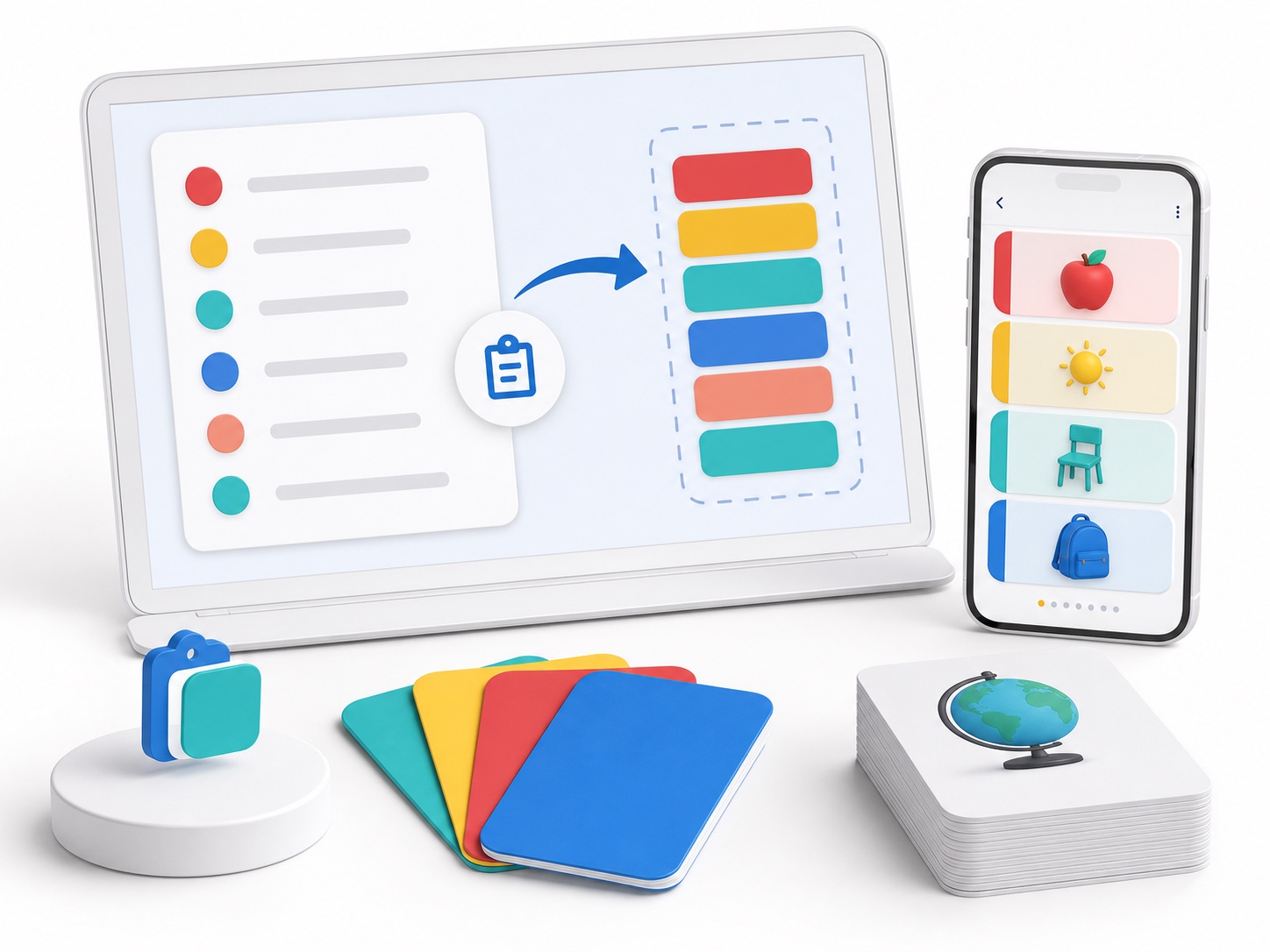
Review verb–preposition pairs in Hola Cards
Practise the 32 fixed examples with Spanish audio, writing, pronunciation, custom groups, and review modes on iOS and Android.