Build a Spanish phone-call practice group
Import all 36 fixed phrases and rehearse them with Spanish audio and writing on iOS or Android. The complete guide remains useful without the app.
Spanish phone call phrases
How do you handle a phone call in Spanish?
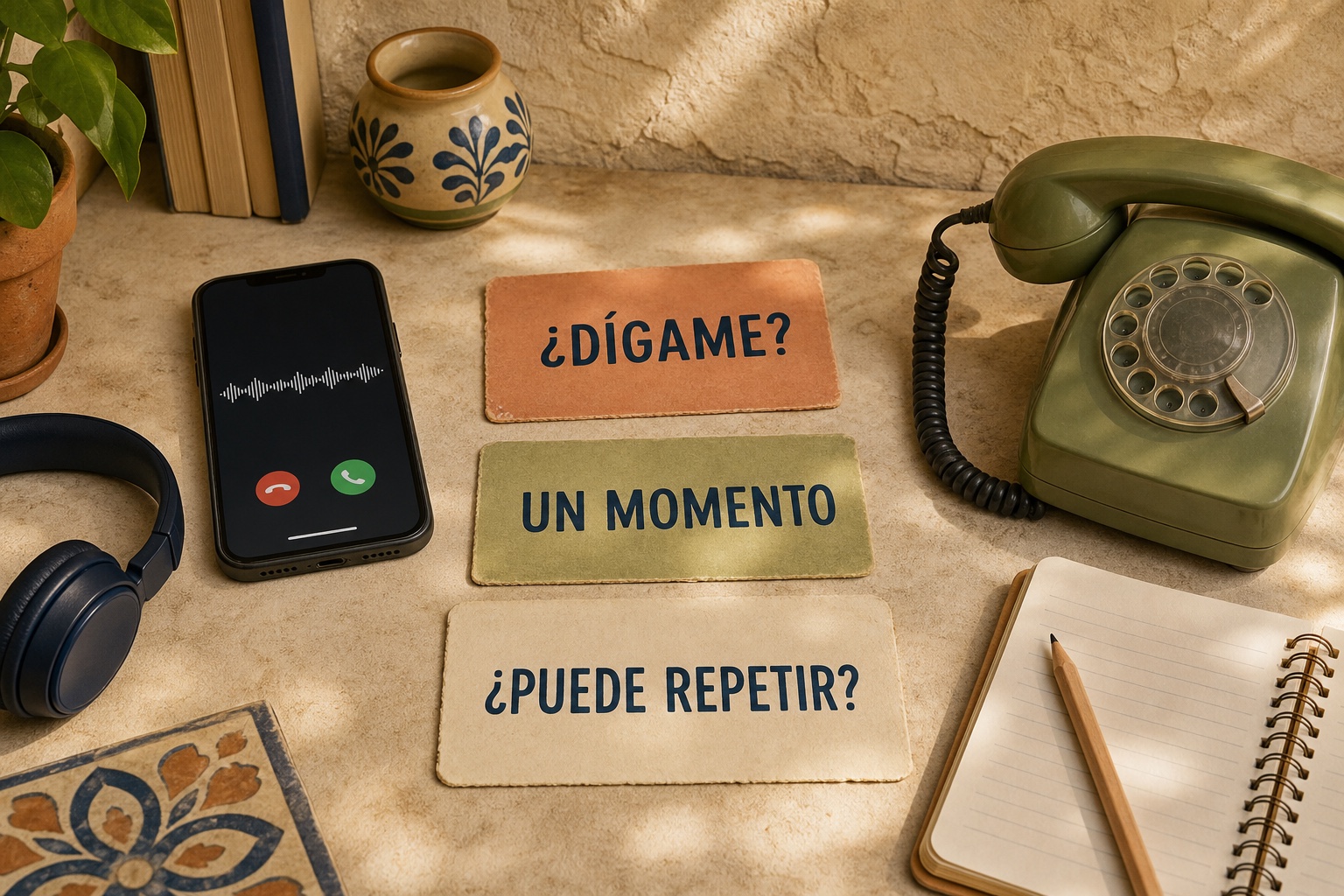
The safest neutral opening is a greeting plus your identity: Buenos días, soy Ana. When answering, the first word changes by region: ¿Diga? or ¿Dígame? is associated with Spain, ¿Bueno? is common in Mexico, and ¿Aló? is widespread in parts of Latin America.
After contact, state the purpose quickly: Le llamo por… or Quisiera hablar con… On a business call, usted forms such as puede, quisiera and le llamo keep the tone polite.
Phone audio removes facial and visual clues. Repair phrases are therefore central, not optional: No le oigo bien, ¿Puede repetirlo? and ¿Puede hablar más despacio?
Four patterns that carry most calls
Soy + name identifies you: Hola, soy Elena.
Le llamo por + topic states the reason: Le llamo por la reserva.
Quisiera + infinitive makes a polite request: Quisiera hablar con el señor Ruiz.
¿Puede + infinitive? repairs or advances the call: ¿Puede repetirlo?
36 useful Spanish telephone phrases
Move through the call in order: answer, identify, clarify, leave or take a message, arrange the next step, and close.
| Spanish phrase | Meaning | Example in context | When to use it |
|---|---|---|---|
| ¿Diga? / ¿Dígame? | Hello?; go ahead? | ¿Dígame? Buenos días. | Regional opening; the main area is noted in the guide. |
| ¿Bueno? | Hello? | ¿Bueno? ¿Con quién hablo? | Regional opening; the main area is noted in the guide. |
| ¿Aló? | Hello? | ¿Aló? Sí, le escucho. | Regional opening; the main area is noted in the guide. |
| Buenos días, le atiende Marta. | Good morning, Marta speaking. | Buenos días, le atiende Marta. ¿En qué puedo ayudarle? | Use this to identify the caller or intended person. |
| ¿Con quién hablo? | Who is speaking? | ¿Con quién hablo, por favor? | Use this to identify the caller or intended person. |
| ¿En qué puedo ayudarle? | How can I help you? | ¿En qué puedo ayudarle hoy? | Neutral formal phrasing with usted. |
| Hola, soy Elena García. | Hello, this is Elena García. | Hola, soy Elena García, de la escuela. | Use this to identify the caller or intended person. |
| Le llamo por la reserva. | I am calling about the reservation. | Le llamo por la reserva de mañana. | Neutral formal phrasing with usted. |
| Quisiera hablar con la señora Ruiz. | I would like to speak to Ms Ruiz. | Quisiera hablar con la señora Ruiz, por favor. | Neutral formal phrasing with usted. |
| ¿Está Carlos, por favor? | Is Carlos there, please? | ¿Está Carlos, por favor? Soy Ana. | Use this to identify the caller or intended person. |
| ¿De parte de quién? | Who is calling? | ¿De parte de quién, por favor? | Use this to identify the caller or intended person. |
| Un momento, por favor. | One moment, please. | Un momento, por favor; voy a comprobarlo. | Neutral formal phrasing with usted. |
| No le oigo bien. | I cannot hear you well. | Perdone, no le oigo bien. | Use this when audio or information is unclear. |
| ¿Puede repetirlo, por favor? | Could you repeat that, please? | ¿Puede repetirlo más despacio, por favor? | Use this when audio or information is unclear. |
| ¿Puede hablar más despacio? | Could you speak more slowly? | ¿Puede hablar un poco más despacio? | Use this when audio or information is unclear. |
| ¿Puede deletrearlo? | Could you spell it? | ¿Puede deletrear el apellido? | Use this when audio or information is unclear. |
| Se corta la llamada. | The call keeps breaking up. | Se corta la llamada; voy a volver a llamar. | Use this when audio or information is unclear. |
| Tengo mala cobertura. | I have poor reception. | Tengo mala cobertura aquí. | Use this when audio or information is unclear. |
| Ahora no está disponible. | They are not available right now. | Ahora no está disponible; vuelve a las cuatro. | Use this to leave, take or return a message. |
| ¿Quiere dejar un mensaje? | Would you like to leave a message? | ¿Quiere dejar un mensaje para ella? | Use this to leave, take or return a message. |
| ¿Puedo dejarle un recado? | Can I leave them a message? | ¿Puedo dejarle un recado breve? | Use this to leave, take or return a message. |
| Dígale que me llame, por favor. | Please tell them to call me. | Dígale que me llame esta tarde, por favor. | Use this to leave, take or return a message. |
| ¿Puede tomar nota? | Can you write that down? | ¿Puede tomar nota de mi número? | Use this to leave, take or return a message. |
| Le devuelvo la llamada esta tarde. | I will call you back this afternoon. | Le devuelvo la llamada después de las cinco. | Use this to leave, take or return a message. |
| ¿A qué hora le viene bien? | What time works for you? | ¿A qué hora le viene bien que le llame? | Use this to confirm a time, number or next step. |
| Quisiera confirmar la cita. | I would like to confirm the appointment. | Quisiera confirmar la cita del martes. | Use this to confirm a time, number or next step. |
| ¿Podemos cambiar la hora? | Can we change the time? | ¿Podemos cambiar la hora a las cinco? | Use this to confirm a time, number or next step. |
| Le llamo para confirmar. | I am calling to confirm. | Le llamo para confirmar la dirección. | Use this to confirm a time, number or next step. |
| ¿Me puede dar su número? | Could you give me your number? | ¿Me puede dar un número de contacto? | Use this to confirm a time, number or next step. |
| ¿Cuál es la extensión? | What is the extension number? | ¿Cuál es la extensión del departamento? | Use this to confirm a time, number or next step. |
| Eso es todo, gracias. | That is all, thank you. | Eso es todo por ahora, gracias. | Use this to end the call clearly and politely. |
| Entonces, quedamos así. | All right, that is agreed. | Entonces, quedamos así: el martes a las diez. | Use this to end the call clearly and politely. |
| Gracias por llamar. | Thank you for calling. | Gracias por llamar; hasta pronto. | Use this to end the call clearly and politely. |
| Muchas gracias por su tiempo. | Thank you very much for your time. | Muchas gracias por su tiempo y su ayuda. | Use this to end the call clearly and politely. |
| Hablamos luego. | We will talk later. | Hablamos luego con más calma. | Use this to end the call clearly and politely. |
| Hasta luego. | Goodbye; talk to you later. | Muchas gracias. Hasta luego. | Use this to end the call clearly and politely. |
Learn the call in six stages
Each six-phrase block covers one job in a real conversation, so the phrases form a usable script.
Answer the call
Choose the greeting for the region and setting.
¿Diga? / ¿Dígame? · ¿Bueno? · ¿Aló? · Buenos días, le atiende Marta. · ¿Con quién hablo? · ¿En qué puedo ayudarle?
Identify and ask
Say who you are, why you are calling and whom you need.
Hola, soy Elena García. · Le llamo por la reserva. · Quisiera hablar con la señora Ruiz. · ¿Está Carlos, por favor? · ¿De parte de quién? · Un momento, por favor.
Repair the audio
Ask for repetition, spelling or slower speech.
No le oigo bien. · ¿Puede repetirlo, por favor? · ¿Puede hablar más despacio? · ¿Puede deletrearlo? · Se corta la llamada. · Tengo mala cobertura.
Leave or take a message
Keep the name, callback and request clear.
Ahora no está disponible. · ¿Quiere dejar un mensaje? · ¿Puedo dejarle un recado? · Dígale que me llame, por favor. · ¿Puede tomar nota? · Le devuelvo la llamada esta tarde.
Confirm the next step
Fix the time, number, extension or appointment.
¿A qué hora le viene bien? · Quisiera confirmar la cita. · ¿Podemos cambiar la hora? · Le llamo para confirmar. · ¿Me puede dar su número? · ¿Cuál es la extensión?
Close the call
Summarise the agreement, thank the person and say goodbye.
Eso es todo, gracias. · Entonces, quedamos así. · Gracias por llamar. · Muchas gracias por su tiempo. · Hablamos luego. · Hasta luego.
A complete mini-call
A: ¿Dígame? — B: Buenos días. Soy Marta López. Quisiera hablar con el señor Ruiz.
A: Ahora no está disponible. ¿Quiere dejar un mensaje? — B: Sí. Dígale que me llame, por favor.
A: De acuerdo. — B: Muchas gracias por su ayuda. Hasta luego.
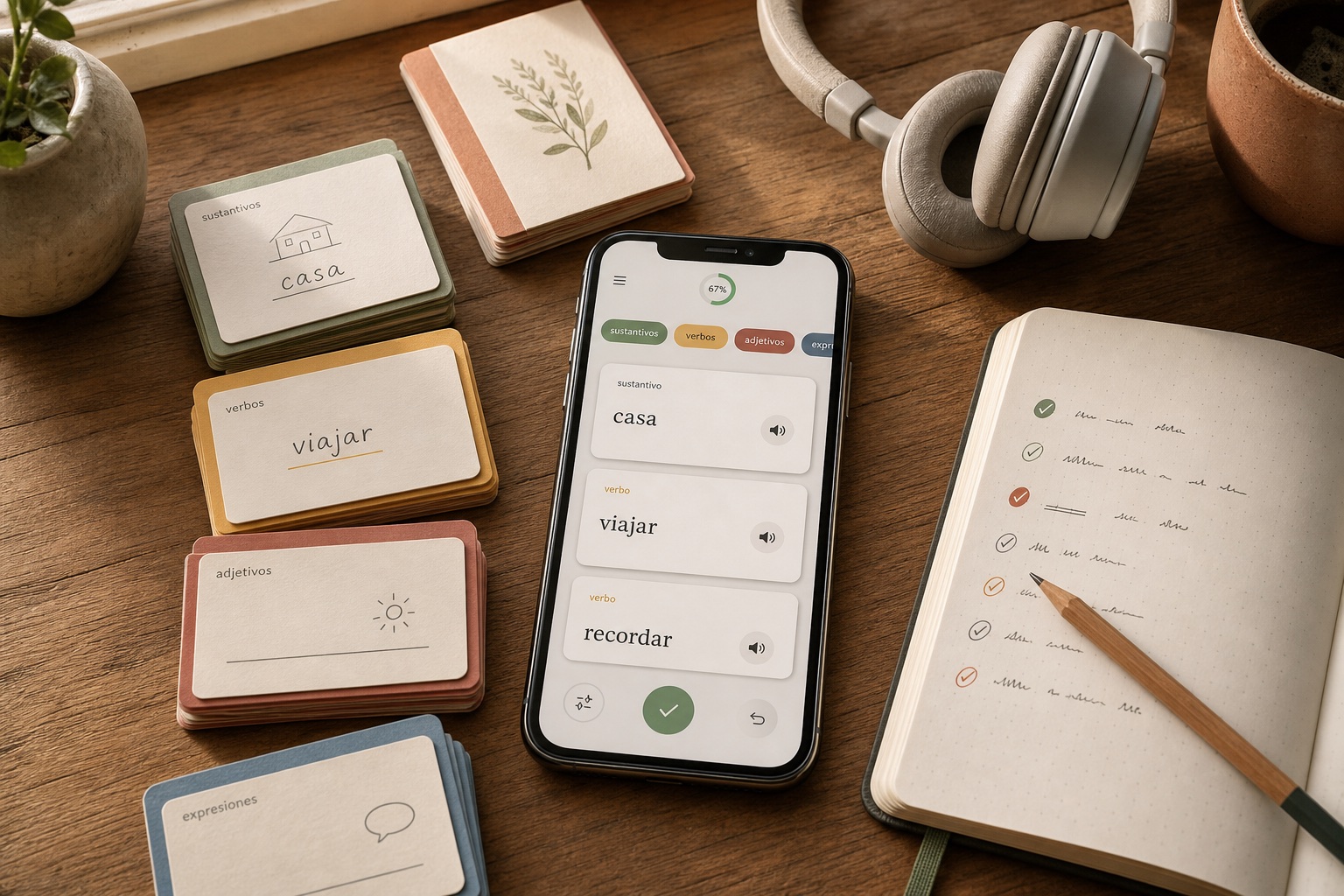
Hola Cards is a Spanish flashcard app from holacards.org for iOS and Android. It is free to download, requires no account, may show ads in the free version, while Premium removes ads, and works offline. The interface is available in 29 languages, including English, Russian, Portuguese and German; cards support translations in 29 languages, including English, Russian, Portuguese and German and 18 practice and game modes. You can import these 36 checked phrases into a custom group for Spanish audio, writing, pronunciation, and review. Hola Cards does not place calls, simulate a live conversation, transcribe arbitrary calls, or correct an open-ended dialogue.
Connect phone calls with greetings, question words, numbers and time, decir, and listening practice.
Spanish greetings and introductions Spanish question words Spanish numbers, dates and time 40 phrases with decir Spanish listening practice app
A five-minute phone routine
- Choose one phrase from each stage.
- Read the six-line call aloud once with the text.
- Listen again and cover the Spanish side.
- Record or say both roles with a pause between turns.
- Write the message, time or number from memory, then verify it.
Language and task references
The call structure and regional opening formulas were checked against Instituto Cervantes and RAE–ASALE resources.
- Instituto Cervantes A1–A2: communicative functions
- Instituto Cervantes B1: transactional telephone conversation
- Centro Virtual Cervantes: Sí, dígame
- RAE–ASALE: regional telephone greeting aló
FAQ
How do you answer the phone in Spanish?
It depends on region and setting. ¿Diga? or ¿Dígame? is common in Spain, ¿Bueno? in Mexico and ¿Aló? in parts of Latin America. A named workplace may answer with its name plus buenos días.
How do I ask to speak to someone?
Say Quisiera hablar con… or ¿Podría hablar con…? Add the person’s name or title.
How do I say the line is bad?
Say No le oigo bien, Se corta la llamada or Tengo mala cobertura, then ask ¿Puede repetirlo?
What is the difference between mensaje and recado?
Both can refer to a message left for someone. Mensaje is broadly understood; recado is also common but its frequency varies by region.
Should I use tú or usted on a phone call?
Use usted with an unknown person, customer or formal contact unless they invite a more familiar tone.
Can Hola Cards simulate a live phone conversation?
No. It helps you import and practise the 36 fixed, checked phrases; it does not place calls or correct an open dialogue.
Copy the 36 phone phrases into Hola Cards
Open word groups in Hola Cards, choose paste/import and paste the block. The app recognises the title and “Spanish - translation” lines.
**Spanish phone calls: 36 useful phrases**

¿Diga? / ¿Dígame? - Hello?; go ahead?
¿Bueno? - Hello?
¿Aló? - Hello?
Buenos días, le atiende Marta. - Good morning, Marta speaking.
¿Con quién hablo? - Who is speaking?
¿En qué puedo ayudarle? - How can I help you?
Hola, soy Elena García. - Hello, this is Elena García.
Le llamo por la reserva. - I am calling about the reservation.
Quisiera hablar con la señora Ruiz. - I would like to speak to Ms Ruiz.
¿Está Carlos, por favor? - Is Carlos there, please?
¿De parte de quién? - Who is calling?
Un momento, por favor. - One moment, please.
No le oigo bien. - I cannot hear you well.
¿Puede repetirlo, por favor? - Could you repeat that, please?
¿Puede hablar más despacio? - Could you speak more slowly?
¿Puede deletrearlo? - Could you spell it?
Se corta la llamada. - The call keeps breaking up.
Tengo mala cobertura. - I have poor reception.
Ahora no está disponible. - They are not available right now.
¿Quiere dejar un mensaje? - Would you like to leave a message?
¿Puedo dejarle un recado? - Can I leave them a message?
Dígale que me llame, por favor. - Please tell them to call me.
¿Puede tomar nota? - Can you write that down?
Le devuelvo la llamada esta tarde. - I will call you back this afternoon.
¿A qué hora le viene bien? - What time works for you?
Quisiera confirmar la cita. - I would like to confirm the appointment.
¿Podemos cambiar la hora? - Can we change the time?
Le llamo para confirmar. - I am calling to confirm.
¿Me puede dar su número? - Could you give me your number?
¿Cuál es la extensión? - What is the extension number?
Eso es todo, gracias. - That is all, thank you.
Entonces, quedamos así. - All right, that is agreed.
Gracias por llamar. - Thank you for calling.
Muchas gracias por su tiempo. - Thank you very much for your time.
Hablamos luego. - We will talk later.
Hasta luego. - Goodbye; talk to you later.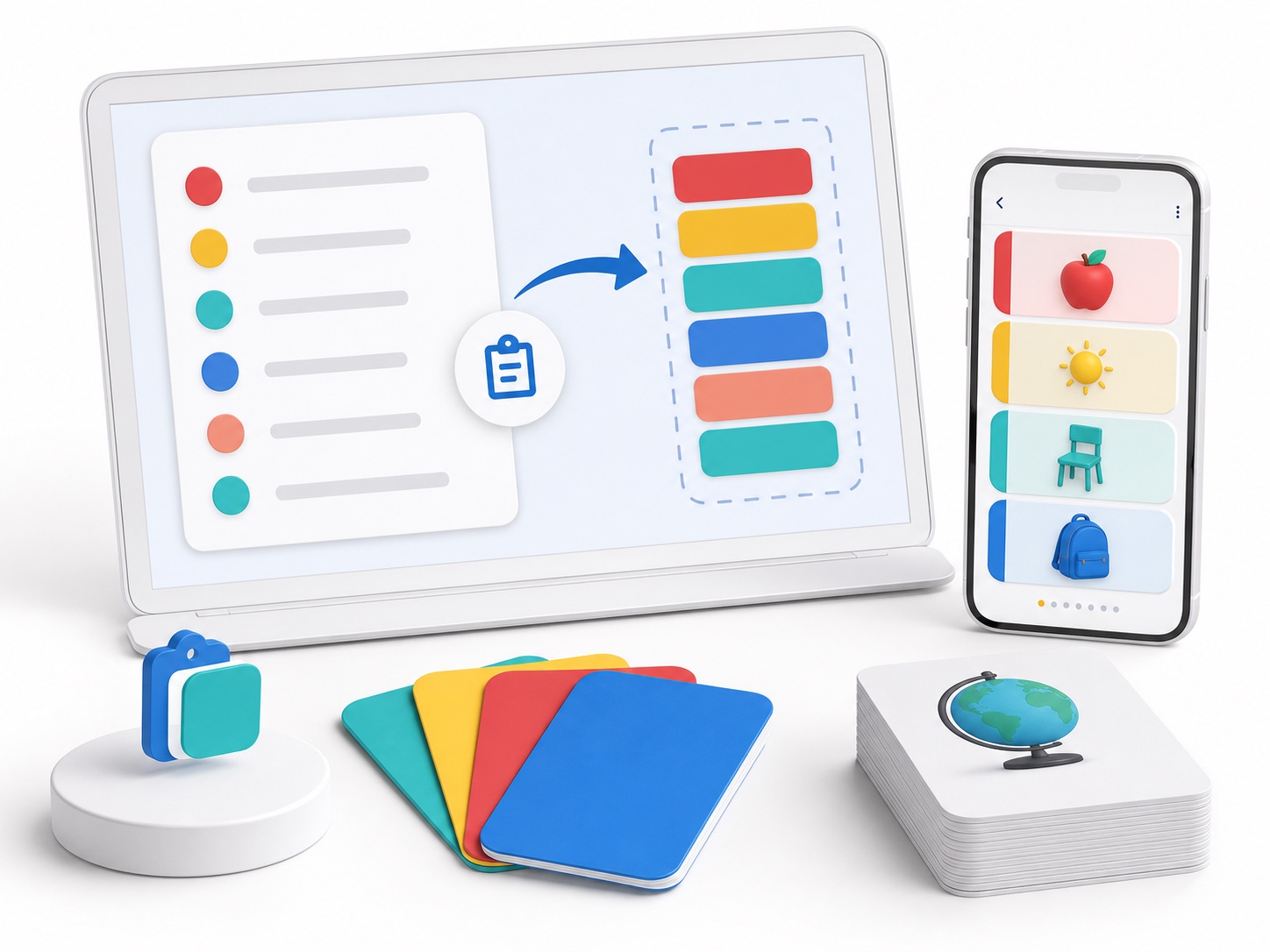
Practise Spanish phone calls in Hola Cards
Review the 36 fixed phrases with Spanish audio, writing, pronunciation, custom groups and review modes on iOS and Android.