Short answer: choose the listening task, not just an audio icon
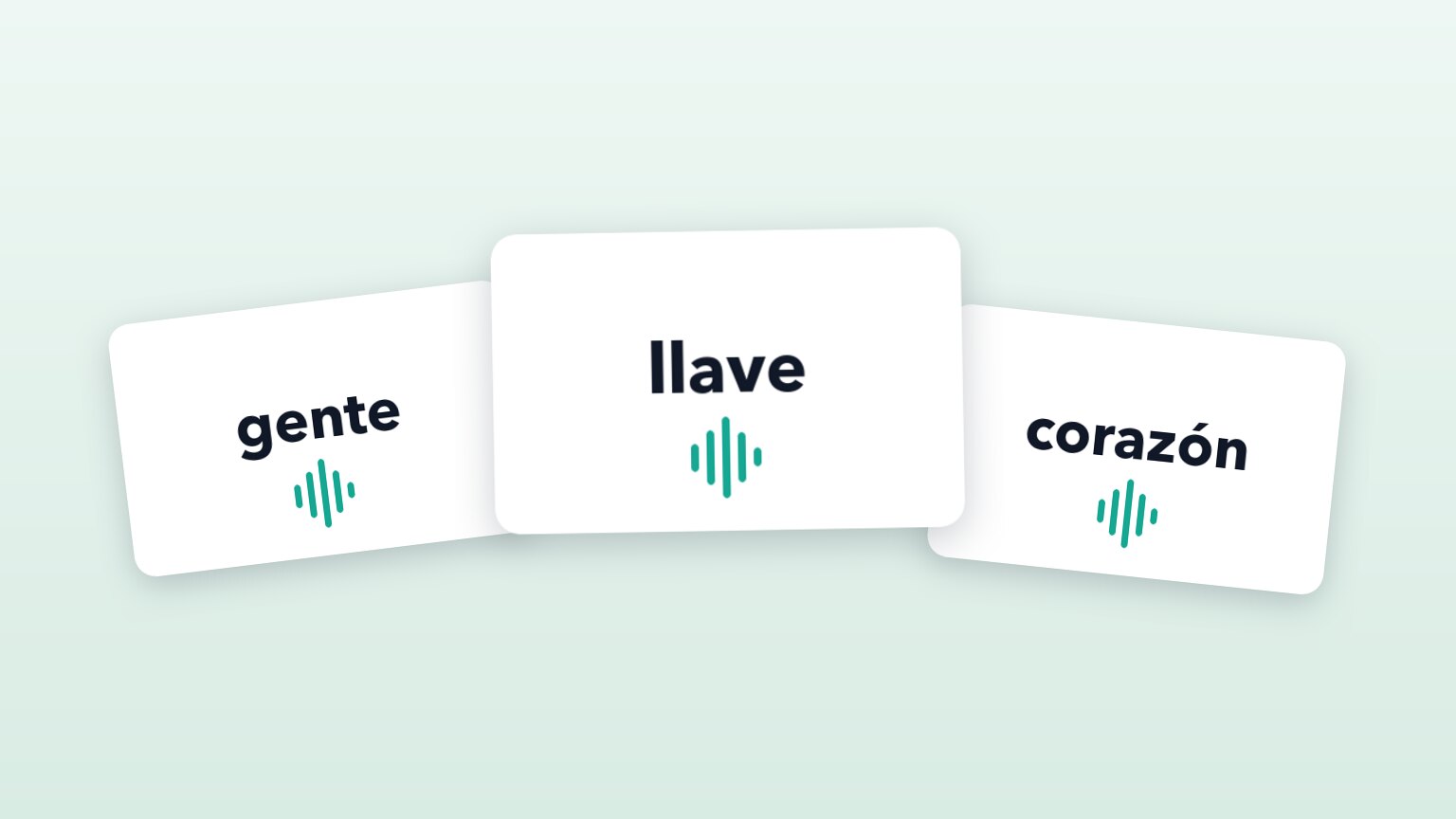
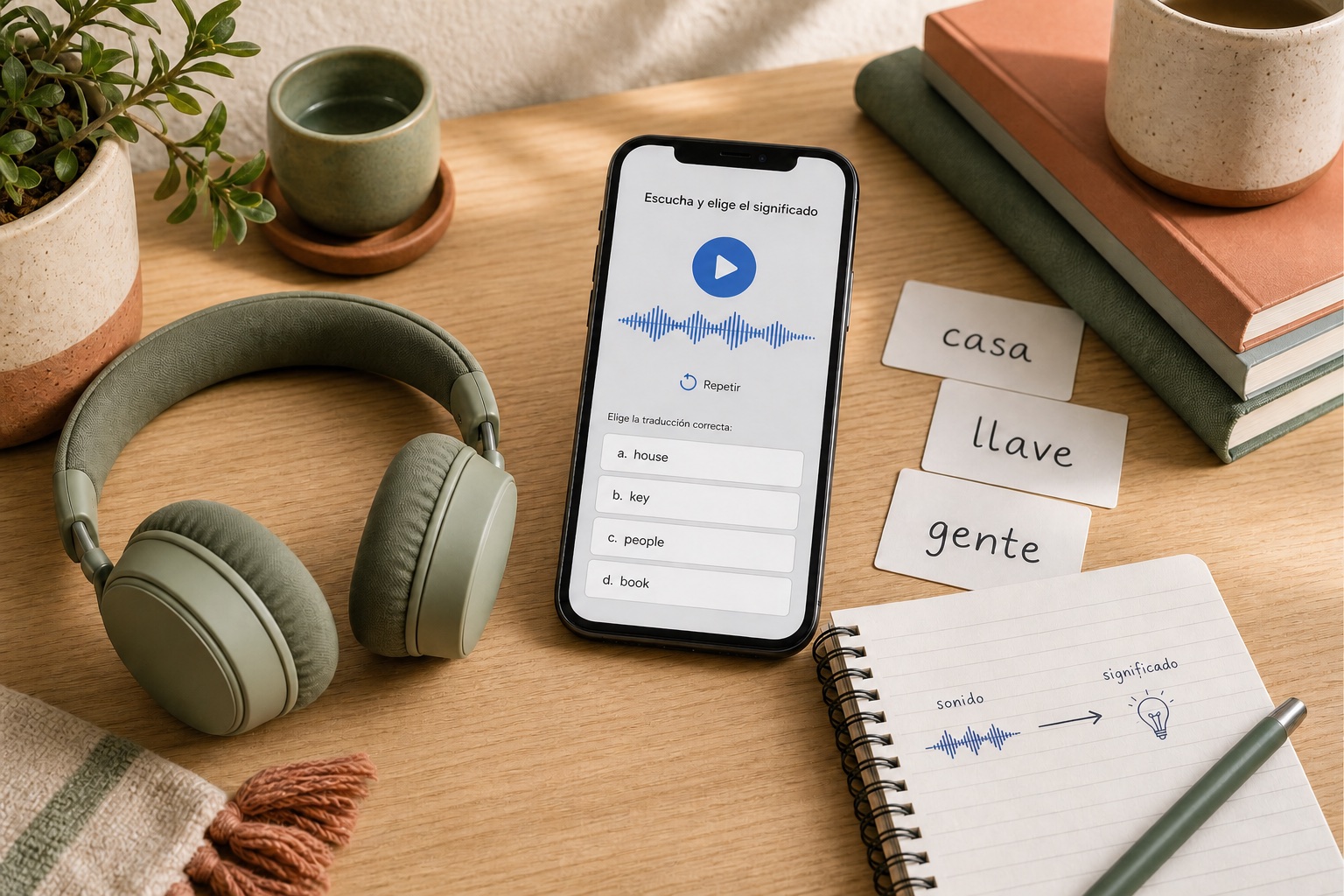
For a beginner, the first useful task is sound-to-meaning recognition: hear llave without seeing it and choose “key”. Dictation adds sound-to-spelling. Short phrases train word boundaries, while dialogues and unscripted video add speed, accents and context.
An app can be strong at one rung and weak at another. Check whether it trains isolated vocabulary, full sentences, conversations or all three. If your goal is understanding native speech, a word-level app should be a starting drill, not the whole listening plan.
A replay button is not a listening method by itself. The learner must make a decision before the written answer appears.
Six checks before installing a Spanish listening app
| Check | Why it matters | Quick test |
|---|---|---|
| Audio source | Native recordings, teacher audio and text-to-speech have different strengths | The app says who or what produces the voice |
| Text hidden first | Reading can disguise a listening gap | Play a new item before revealing Spanish text |
| Active response | Choosing, typing or repeating exposes what you actually heard | The task requires an answer, not only tapping play |
| Replay and feedback | A second listen should help you locate the missed sound | Replay, answer, then inspect the correct form and meaning |
| Level and length | Single words, sentences and natural clips demand different skills | Open material at your current level and one step above |
| Accent and scope | One synthetic voice cannot prepare you for every region or conversation | Look for an honest statement about speakers, accents and content limits |
A 12-minute listening routine you can use without an app
Choose eight useful words and four short phrases from a trusted source with audio. Keep the transcript covered on the first listen and use one meaning per item.
- Minutes 1–3: hear each word once and point to or write its meaning before checking.
- Minutes 4–6: replay only the misses, then write three words exactly as you hear them.
- Minutes 7–9: listen to the four phrases and mark where one word ends and the next begins.
- Minutes 10–11: repeat one phrase with the same rhythm, then compare it with the model.
- Minute 12: save two errors for tomorrow and finish with a short piece of real Spanish audio.
Keep word drills and connected speech in the same week. Vocabulary listening makes individual forms easier to catch; authentic clips teach reductions, rhythm, speaker variation and meaning across a whole sentence.
How Hola Cards trains beginner listening
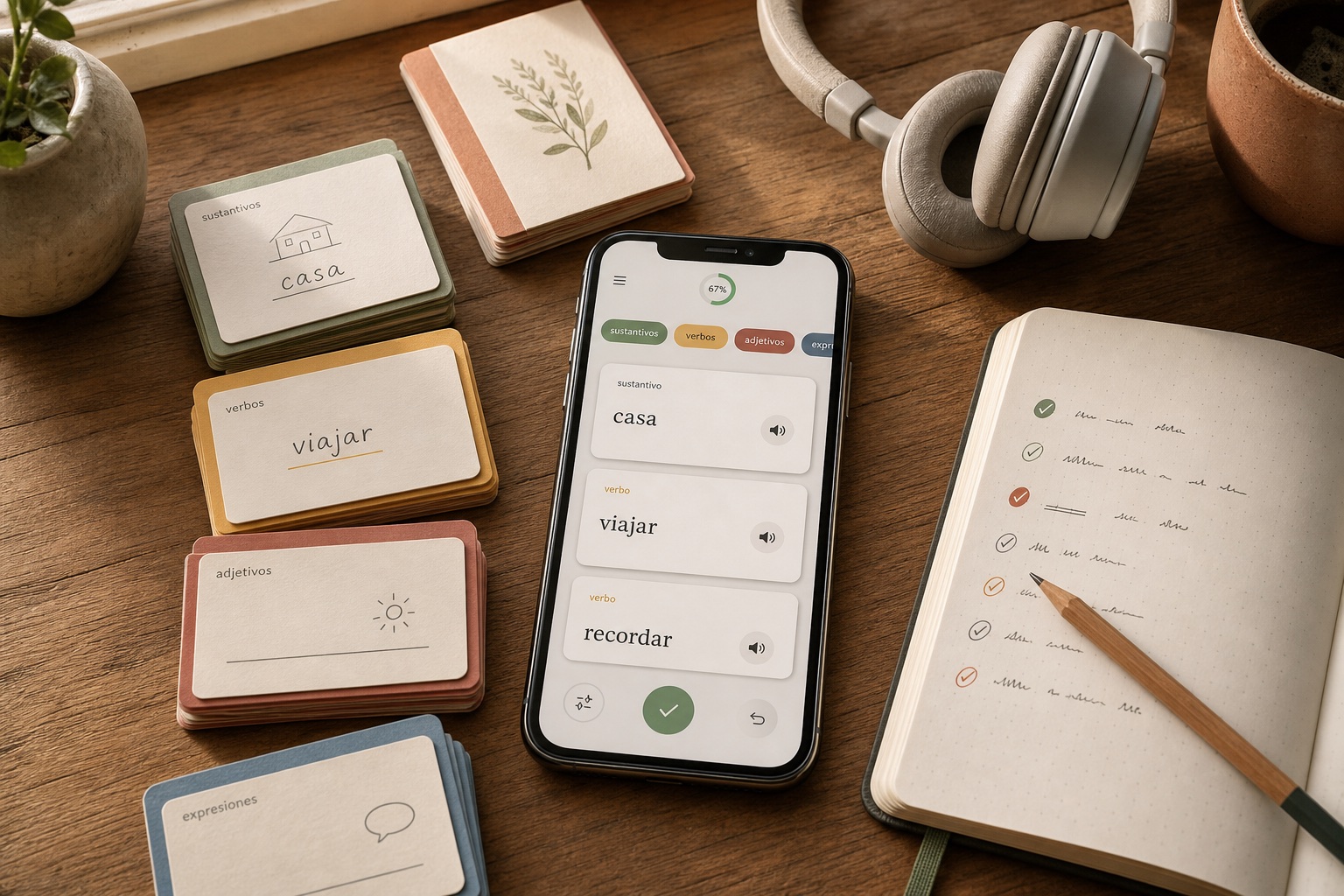
Hola Cards is a Spanish vocabulary app for iPhone, iPad and Android. It is free to download, requires no account, may show ads in the free version, while Premium removes ads and works offline. Its catalogue contains more than 2,300 word and verb-form cards with translations, transcription and device-generated audio.
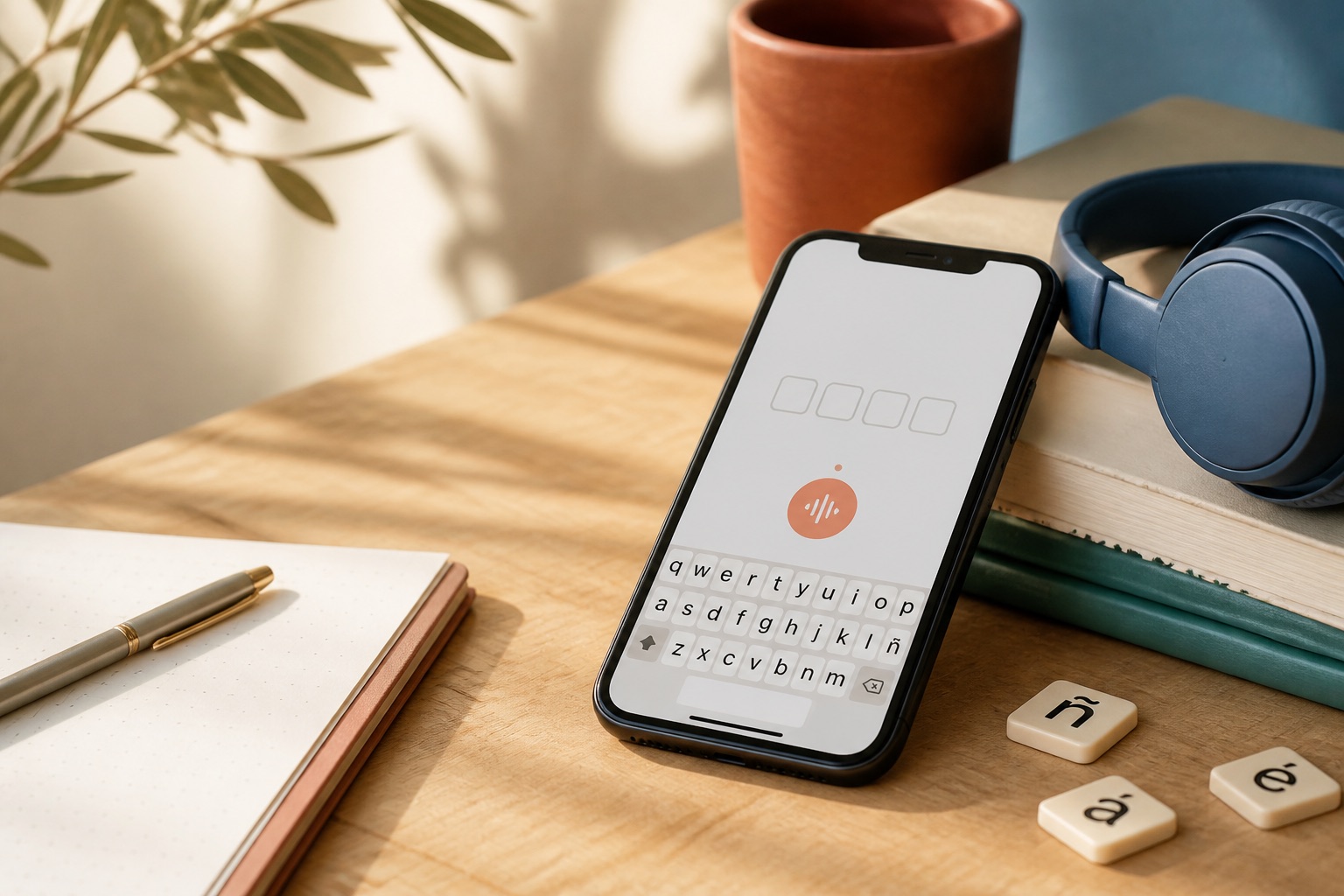
Listening Choice plays a Spanish word from your learned-word pool while the written word stays hidden, then asks you to choose its translation. You can replay the sound before answering. Audio Dictation asks you to type what you hear, but its current activity uses ten fixed words rather than the full catalogue.
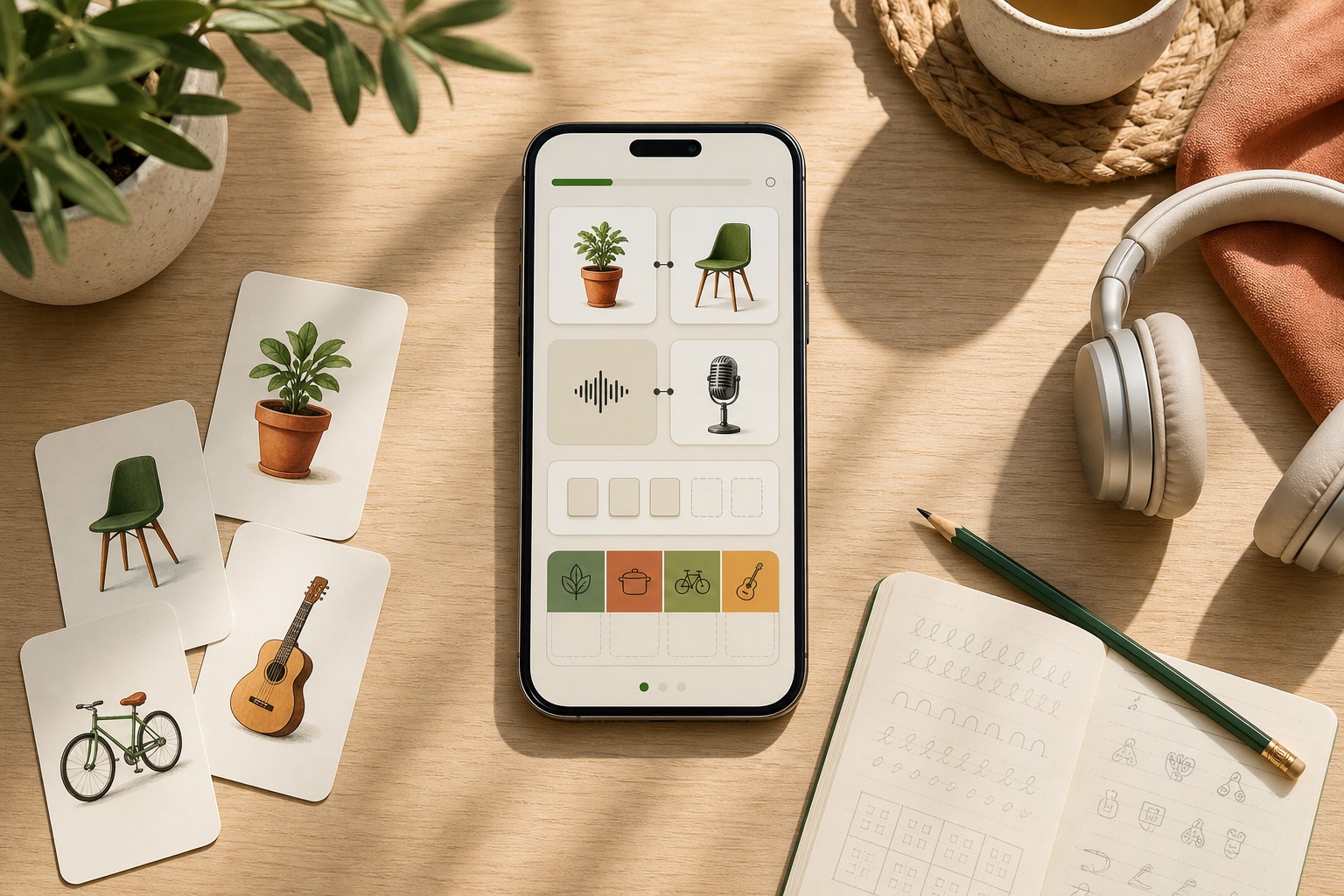
Cards, writing, pronunciation and other practice modes let you meet the same vocabulary through meaning, spelling, sound and production. Card translations are available in 29 languages, including English, Russian, Portuguese and German; the interface is available in 29 languages, including English, Russian, Portuguese and German. The catalogue no longer has the former 200-word limit. Mobile Premium removes ads and opens additional tools such as word editing, group management, listening and the live translator. The store displays the current regional price.
Honest limit: Hola Cards trains word-level listening and sound-to-meaning recall. It does not provide a library of native-speaker dialogues, podcasts, adjustable playback speed, transcripts for long recordings or multiple regional accents. Pair it with level-appropriate authentic audio for broader comprehension.
Match the app to the listening gap you actually have
Choose vocabulary listening when familiar written words disappear as soon as you hear them. Choose short transcript-based clips when you know the words but cannot segment a sentence. Choose conversations, podcasts or video when speed, accent and context are the main problem.
Hola Cards fits the first stage: brief, repeatable decisions around Spanish words, followed by spelling or pronunciation practice. It is a weaker fit for intermediate learners who mainly need several minutes of connected native speech. A useful plan can use both rather than pretending one format replaces the other.
Questions about Spanish listening practice apps
What should a Spanish listening practice app do?
It should hide the written answer at first, play clear audio, require an active response, allow a useful replay and show precise feedback. It should also state whether it trains words, sentences or natural conversations.
Is listening to isolated words enough?
No. It helps beginners connect sound, spelling and meaning, but conversation also requires word-boundary detection, rhythm, speed, context and exposure to different speakers.
Does Hola Cards use native-speaker recordings?
Hola Cards uses device-generated audio for its word and card practice. It does not claim to be a library of native-speaker conversations or regional-accent recordings.
Can I practise Spanish listening offline in Hola Cards?
Yes. Cards and core listening practice work offline once the app and required device resources are available. Initial installation and some device voice resources may need a connection.
Is listening practice the same as pronunciation practice?
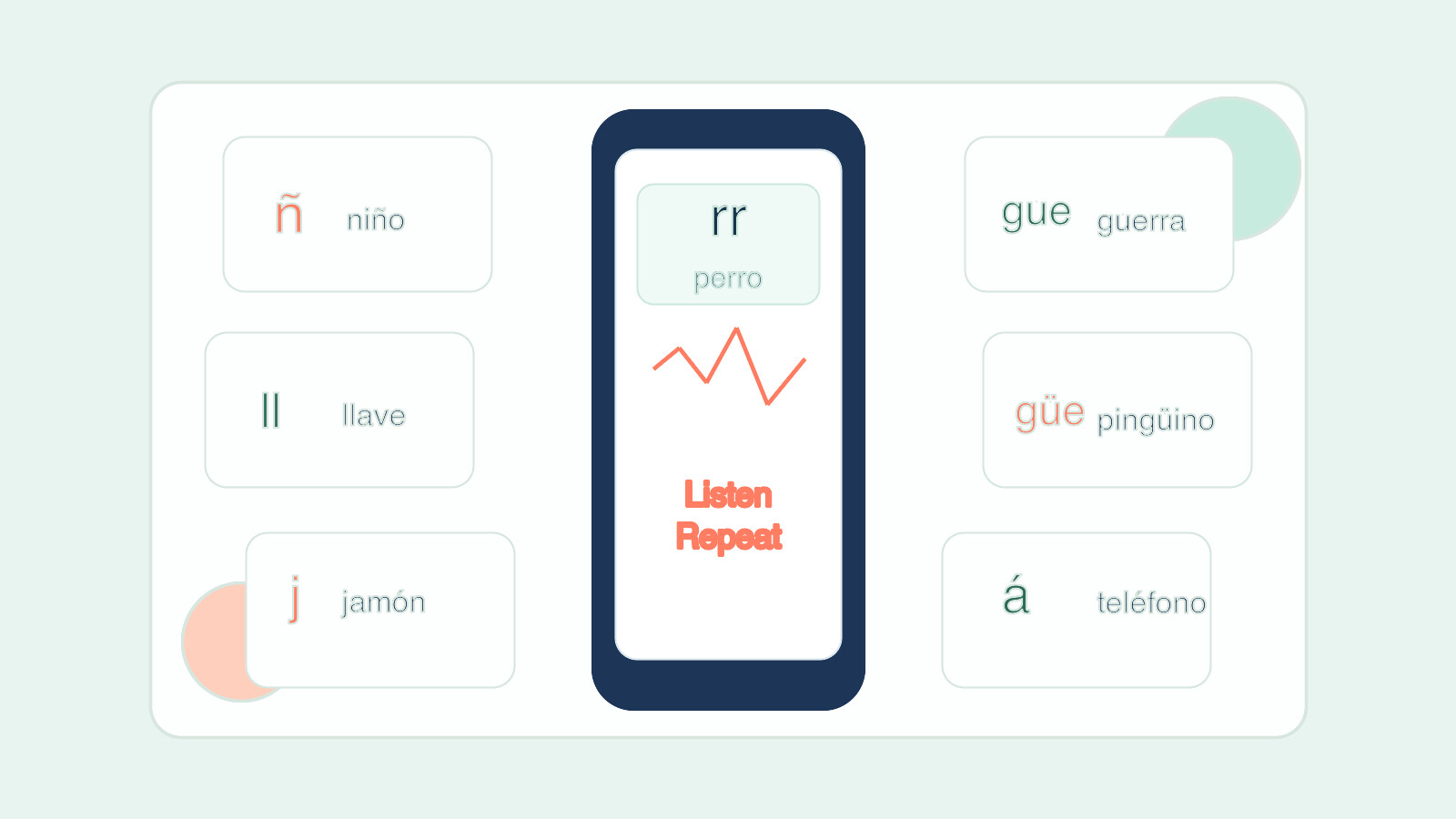
No. Listening asks whether you can recognise the sound; pronunciation asks whether you can produce it. Hola Cards includes listening-choice, dictation and separate voice practice, but real conversation needs both skills together.