Practise capitalization inside complete examples
Import 32 fixed examples and recall the spelling together with its context. This guide remains fully useful without the app.
Spanish capitalization rules
What gets a capital letter in Spanish?
Capitalize the first word of a text or sentence, the first word after a full stop, and the first word of a new sentence after a closing question or exclamation mark.
Capitalize proper names of people, places, institutions, festivities, and named historical events. A generic word inside a geographical expression often stays lowercase: el océano Pacífico.
Use lowercase for common categories that English often capitalizes: lunes, agosto, español, argentina, católico, presidente.
Four rules that solve most capitalization doubts
Start sentences and complete quoted sentences with a capital letter. After a colon, lowercase is the default; capitals are reserved for defined cases such as a complete quotation or an independent notice.
Capitalize the distinctive part of a proper name; keep generic common nouns lowercase when the official name does not include them.
Keep days, months, seasons, languages, nationalities, religions, and ordinary titles or offices lowercase.
In titles of books, films, songs, and articles, capitalize the first word and proper names only. Never remove an accent because the vowel is uppercase.
32 Spanish capitalization examples
The examples move from sentence boundaries to proper names, lowercase categories, titles, abbreviations, and accented capitals.
| Spanish example | Meaning | Why this case? | Rule |
|---|---|---|---|
| Mañana empieza el curso. | The course starts tomorrow. | inicio de frase | A sentence or complete quotation begins here. |
| Llegamos tarde. El museo estaba cerrado. | We arrived late. The museum was closed. | inicio de frase | A sentence or complete quotation begins here. |
| ¿Dónde está Ana? Vive cerca. | Where is Ana? She lives nearby. | inicio de frase | A sentence or complete quotation begins here. |
| ¡Qué sorpresa! No lo sabía. | What a surprise! I did not know. | inicio de frase | A sentence or complete quotation begins here. |
| El guía dijo: «Mañana salimos temprano». | The guide said, “Tomorrow we leave early.” | inicio de frase | A sentence or complete quotation begins here. |
| Trae tres cosas: lápiz, papel y agua. | Bring three things: a pencil, paper, and water. | dos puntos | Lowercase is the normal choice after a colon. |
| Primero, abre el libro. Después, escucha el audio. | First, open the book. Then listen to the audio. | inicio de frase | A sentence or complete quotation begins here. |
| AVISO: Esta puerta permanecerá cerrada. | NOTICE: This door will remain closed. | dos puntos | An independent notice is one of the defined exceptions after a colon. |
| Ana Torres vive en México. | Ana Torres lives in Mexico. | nombre propio | The distinctive name identifies one person, place, institution, holiday, or event. |
| Visitamos el Museo del Prado. | We visited the Prado Museum. | nombre propio | The distinctive name identifies one person, place, institution, holiday, or event. |
| Estudia en la Universidad de Salamanca. | She studies at the University of Salamanca. | nombre propio | The distinctive name identifies one person, place, institution, holiday, or event. |
| Navegaron por el océano Pacífico. | They sailed across the Pacific Ocean. | nombre propio | The distinctive name identifies one person, place, institution, holiday, or event. |
| Cruzamos la cordillera de los Andes. | We crossed the Andes mountain range. | nombre propio | The distinctive name identifies one person, place, institution, holiday, or event. |
| Celebramos el Día de Muertos. | We celebrate the Day of the Dead. | nombre propio | The distinctive name identifies one person, place, institution, holiday, or event. |
| La Revolución francesa comenzó en 1789. | The French Revolution began in 1789. | nombre propio | The distinctive name identifies one person, place, institution, holiday, or event. |
| La Organización Mundial de la Salud publicó el informe. | The World Health Organization published the report. | nombre propio | The distinctive name identifies one person, place, institution, holiday, or event. |
| Nos vemos el lunes 14 de agosto. | See you on Monday, August 14. | minúscula habitual | This common category normally remains lowercase in Spanish. |
| Prefiero viajar en primavera. | I prefer to travel in spring. | minúscula habitual | This common category normally remains lowercase in Spanish. |
| Hablo español y portugués. | I speak Spanish and Portuguese. | minúscula habitual | This common category normally remains lowercase in Spanish. |
| Lucía es argentina y Mateo es chileno. | Lucía is Argentinian and Mateo is Chilean. | minúscula habitual | This common category normally remains lowercase in Spanish. |
| La familia es católica. | The family is Catholic. | minúscula habitual | This common category normally remains lowercase in Spanish. |
| La presidenta García abrió la reunión. | President García opened the meeting. | minúscula habitual | This common category normally remains lowercase in Spanish. |
| El profesor López enseña historia. | Professor López teaches history. | minúscula habitual | This common category normally remains lowercase in Spanish. |
| Viajamos hacia el sur de España. | We travelled towards the south of Spain. | minúscula habitual | This common category normally remains lowercase in Spanish. |
| Estoy leyendo Cien años de soledad. | I am reading One Hundred Years of Solitude. | título | Spanish titles use sentence-style capitalization. |
| Vimos El laberinto del fauno. | We watched Pan's Labyrinth. | título | Spanish titles use sentence-style capitalization. |
| El artículo se titula «Cómo aprender vocabulario». | The article is titled “How to Learn Vocabulary.” | título | Spanish titles use sentence-style capitalization. |
| La sección se llama Preguntas frecuentes. | The section is called Frequently Asked Questions. | título | Spanish titles use sentence-style capitalization. |
| La Sra. Pérez llegará a las diez. | Ms. Pérez will arrive at ten. | forma convencional | The conventional abbreviation or initialism determines the form. |
| La ONU tiene su sede en Nueva York. | The UN has its headquarters in New York. | forma convencional | The conventional abbreviation or initialism determines the form. |
| Ángela nació en África. | Ángela was born in Africa. | mayúscula acentuada | Uppercase vowels keep their written accents. |
| Úrsula escribió «Érase una vez». | Úrsula wrote “Once upon a time.” | mayúscula acentuada | Uppercase vowels keep their written accents. |
Study capitalization by the reason behind it
A short label—sentence boundary, proper name, lowercase category, or title and form—makes each choice easier to retrieve.
Sentence boundaries
Capitalize the first word when a complete sentence starts.
Mañana empieza el curso. · Llegamos tarde. El museo estaba cerrado. · ¿Dónde está Ana? Vive cerca. · ¡Qué sorpresa! No lo sabía. · El guía dijo: «Mañana salimos temprano». · Trae tres cosas: lápiz, papel y agua. · Primero, abre el libro. Después, escucha el audio. · AVISO: Esta puerta permanecerá cerrada.
Proper names
Capitalize the distinctive elements of names and named events.
Ana Torres vive en México. · Visitamos el Museo del Prado. · Estudia en la Universidad de Salamanca. · Navegaron por el océano Pacífico. · Cruzamos la cordillera de los Andes. · Celebramos el Día de Muertos. · La Revolución francesa comenzó en 1789. · La Organización Mundial de la Salud publicó el informe.
Categories that stay lowercase
Avoid importing English capitalization into common Spanish words.
Nos vemos el lunes 14 de agosto. · Prefiero viajar en primavera. · Hablo español y portugués. · Lucía es argentina y Mateo es chileno. · La familia es católica. · La presidenta García abrió la reunión. · El profesor López enseña historia. · Viajamos hacia el sur de España.
Titles, forms, and accented capitals
Use sentence-style titles, conventional abbreviations, and required accents.
Estoy leyendo Cien años de soledad. · Vimos El laberinto del fauno. · El artículo se titula «Cómo aprender vocabulario». · La sección se llama Preguntas frecuentes. · La Sra. Pérez llegará a las diez. · La ONU tiene su sede en Nueva York. · Ángela nació en África. · Úrsula escribió «Érase una vez».
How do I check a real Spanish sentence?
Mark sentence boundaries first: the beginning, a full stop, a complete quotation, or a new sentence after ? or !. After a colon, expect lowercase unless a specific convention starts a complete quotation, a letter body after its salutation, or an independent notice.
Circle names that uniquely identify a person, place, institution, holiday, or event. Then separate any generic common word that remains lowercase.
Check for English transfer. Days, months, seasons, languages, nationalities, religions, and ordinary job titles are usually lowercase in Spanish.
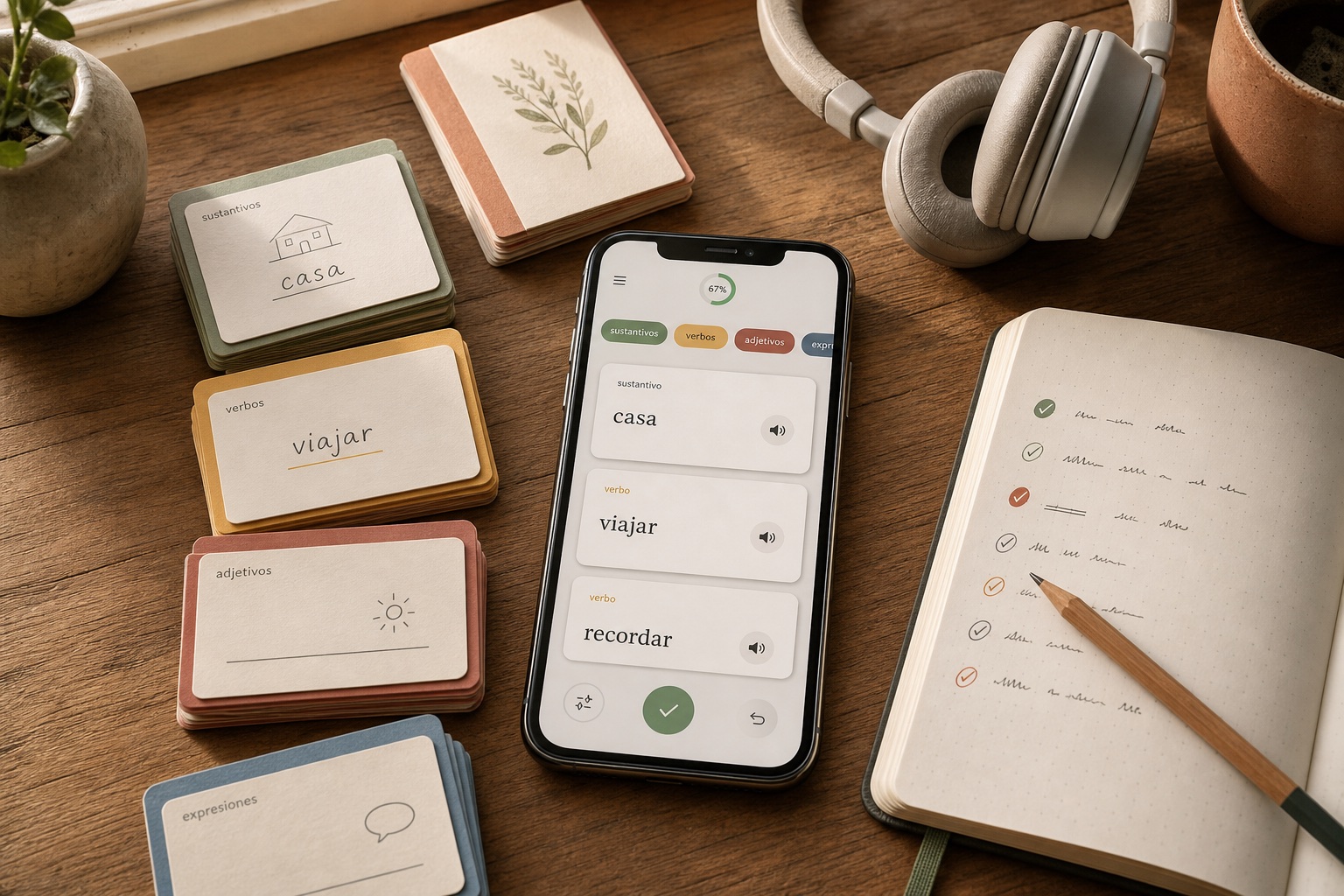
Hola Cards is a Spanish flashcard app from holacards.org for iOS and Android. It is free to download, requires no account, may show ads in the free version, while Premium removes ads, and works offline. The interface is available in 29 languages, including English, Russian, Portuguese and German; cards support translations in 29 languages, including English, Russian, Portuguese and German and 18 practice and game modes. You can import these 32 fixed examples into a custom group and practise them with Spanish audio, writing, pronunciation, and review modes. Hola Cards does not correct capitalization or complete sentences automatically.
Connect capitalization with punctuation, accent marks, adjective agreement, countries and nationalities, and Spanish writing practice.
Spanish punctuation rules Words that change meaning with accents Spanish adjective agreement Countries and nationalities Spanish writing practice app
A five-minute capitalization drill
- Underline the first word of every sentence.
- Box the full proper names and leave generic category words outside the box.
- Change English-style capitals in days, months, languages, nationalities, and jobs to lowercase.
- Rewrite two English-style titles using Spanish sentence-style capitalization.
- Read the corrected examples aloud, then type them without removing accents from capital vowels.
Primary language references
The rules were checked against RAE–ASALE orthography guidance and Instituto Cervantes guidance on uppercase letters.
FAQ
Are days and months capitalized in Spanish?
Normally no. Write lunes, agosto, and invierno in lowercase unless the word starts a sentence or belongs to a proper name.
Are languages and nationalities capitalized in Spanish?
No in ordinary use: Hablo español and Ana es argentina. They take a capital only at a sentence boundary or inside a proper name that requires it.
How are Spanish book and film titles capitalized?
Capitalize the first word and any proper names: Cien años de soledad. Do not copy English title case.
Do capital letters keep accent marks in Spanish?
Yes. Write África, Ángela, and Úrsula with their required accents even when the initial is uppercase.
Are job titles such as presidente capitalized?
Normally they are common nouns and remain lowercase, even before a name: la presidenta García. Official document conventions can create narrow exceptions.
Can Hola Cards correct capitalization automatically?
No. It helps you import and practise these fixed examples; this guide and the primary references explain the rules.
Copy 32 capitalization examples into Hola Cards
Open word groups in Hola Cards, choose paste/import, and paste the block. Each “Spanish - translation” line preserves the capitalization in context.
**Spanish capitalization: 32 examples**

Mañana empieza el curso. - The course starts tomorrow.
Llegamos tarde. El museo estaba cerrado. - We arrived late. The museum was closed.
¿Dónde está Ana? Vive cerca. - Where is Ana? She lives nearby.
¡Qué sorpresa! No lo sabía. - What a surprise! I did not know.
El guía dijo: «Mañana salimos temprano». - The guide said, “Tomorrow we leave early.”
Trae tres cosas: lápiz, papel y agua. - Bring three things: a pencil, paper, and water.
Primero, abre el libro. Después, escucha el audio. - First, open the book. Then listen to the audio.
AVISO: Esta puerta permanecerá cerrada. - NOTICE: This door will remain closed.
Ana Torres vive en México. - Ana Torres lives in Mexico.
Visitamos el Museo del Prado. - We visited the Prado Museum.
Estudia en la Universidad de Salamanca. - She studies at the University of Salamanca.
Navegaron por el océano Pacífico. - They sailed across the Pacific Ocean.
Cruzamos la cordillera de los Andes. - We crossed the Andes mountain range.
Celebramos el Día de Muertos. - We celebrate the Day of the Dead.
La Revolución francesa comenzó en 1789. - The French Revolution began in 1789.
La Organización Mundial de la Salud publicó el informe. - The World Health Organization published the report.
Nos vemos el lunes 14 de agosto. - See you on Monday, August 14.
Prefiero viajar en primavera. - I prefer to travel in spring.
Hablo español y portugués. - I speak Spanish and Portuguese.
Lucía es argentina y Mateo es chileno. - Lucía is Argentinian and Mateo is Chilean.
La familia es católica. - The family is Catholic.
La presidenta García abrió la reunión. - President García opened the meeting.
El profesor López enseña historia. - Professor López teaches history.
Viajamos hacia el sur de España. - We travelled towards the south of Spain.
Estoy leyendo Cien años de soledad. - I am reading One Hundred Years of Solitude.
Vimos El laberinto del fauno. - We watched Pan's Labyrinth.
El artículo se titula «Cómo aprender vocabulario». - The article is titled “How to Learn Vocabulary.”
La sección se llama Preguntas frecuentes. - The section is called Frequently Asked Questions.
La Sra. Pérez llegará a las diez. - Ms. Pérez will arrive at ten.
La ONU tiene su sede en Nueva York. - The UN has its headquarters in New York.
Ángela nació en África. - Ángela was born in Africa.
Úrsula escribió «Érase una vez». - Úrsula wrote “Once upon a time.”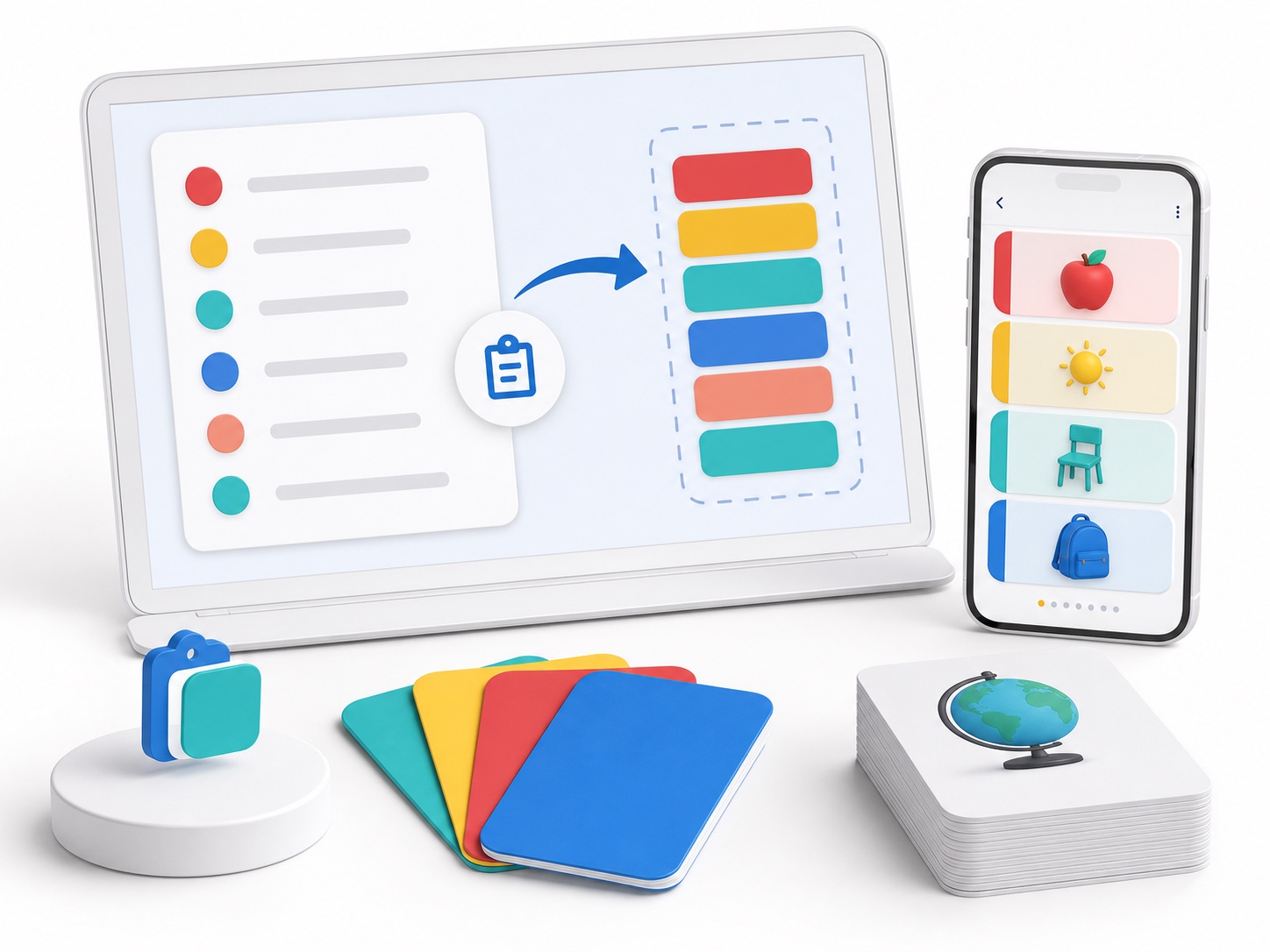
Review Spanish capitalization in Hola Cards
Practise 32 fixed examples with Spanish audio, writing, pronunciation, custom groups, and review modes on iOS and Android.