Spanish verbs for beginners
Why verbs should come right after basic words
A word list helps you recognize pieces of speech. Verbs help you do something with those pieces: ask, answer, say what you need, and describe what happens next.
For beginners, the goal is not to memorize every conjugation chart at once. The goal is to recognize the verb, hear one short example, and use it in a simple sentence.
The simple rule: choose verbs that build many phrases
Start with verbs that repeat across everyday situations: ser, estar, tener, ir, hacer, querer, poder, necesitar, hablar, escuchar, leer, escribir, comprar, pagar, and ayudar.
If a verb can make ten useful sentences this week, it deserves a card before a rare verb that only fits one textbook example.
50 basic Spanish verbs for beginners
The table gives you the infinitive, translation, one short example, and a mini-note about where the verb becomes useful.
| Spanish verb | Translation | Example | Mini-note |
|---|---|---|---|
| ser | to be | Soy estudiante. | Builds basic sentences about who you are and where you are. |
| estar | to be, to be located | Estoy en casa. | Builds basic sentences about who you are and where you are. |
| tener | to have | Tengo tiempo. | Builds basic sentences about who you are and where you are. |
| haber | there is, there are | Hay una mesa. | Builds basic sentences about who you are and where you are. |
| llamarse | to be called | Me llamo Ana. | Builds basic sentences about who you are and where you are. |
| vivir | to live | Vivo aquí. | Builds basic sentences about who you are and where you are. |
| trabajar | to work | Trabajo hoy. | Builds basic sentences about who you are and where you are. |
| estudiar | to study | Estudio español. | Builds basic sentences about who you are and where you are. |
| ir | to go | Voy al trabajo. | Useful for routes, plans, and travel. |
| venir | to come | Vengo mañana. | Useful for routes, plans, and travel. |
| llegar | to arrive | Llego tarde. | Useful for routes, plans, and travel. |
| salir | to leave, to go out | Salgo ahora. | Useful for routes, plans, and travel. |
| entrar | to enter | Entro en la tienda. | Useful for routes, plans, and travel. |
| volver | to return | Vuelvo a casa. | Useful for routes, plans, and travel. |
| viajar | to travel | Viajo a España. | Useful for routes, plans, and travel. |
| caminar | to walk | Camino por la calle. | Useful for routes, plans, and travel. |
| hacer | to do, to make | Hago la tarea. | Appears constantly in everyday requests and routines. |
| poder | can, to be able to | Puedo ayudar. | Appears constantly in everyday requests and routines. |
| querer | to want, to love | Quiero café. | Appears constantly in everyday requests and routines. |
| necesitar | to need | Necesito agua. | Appears constantly in everyday requests and routines. |
| deber | should, must | Debo estudiar. | Appears constantly in everyday requests and routines. |
| usar | to use | Uso el móvil. | Appears constantly in everyday requests and routines. |
| abrir | to open | Abro la puerta. | Appears constantly in everyday requests and routines. |
| cerrar | to close | Cierro la ventana. | Appears constantly in everyday requests and routines. |
| hablar | to speak | Hablo español. | Turns passive vocabulary into dialogue. |
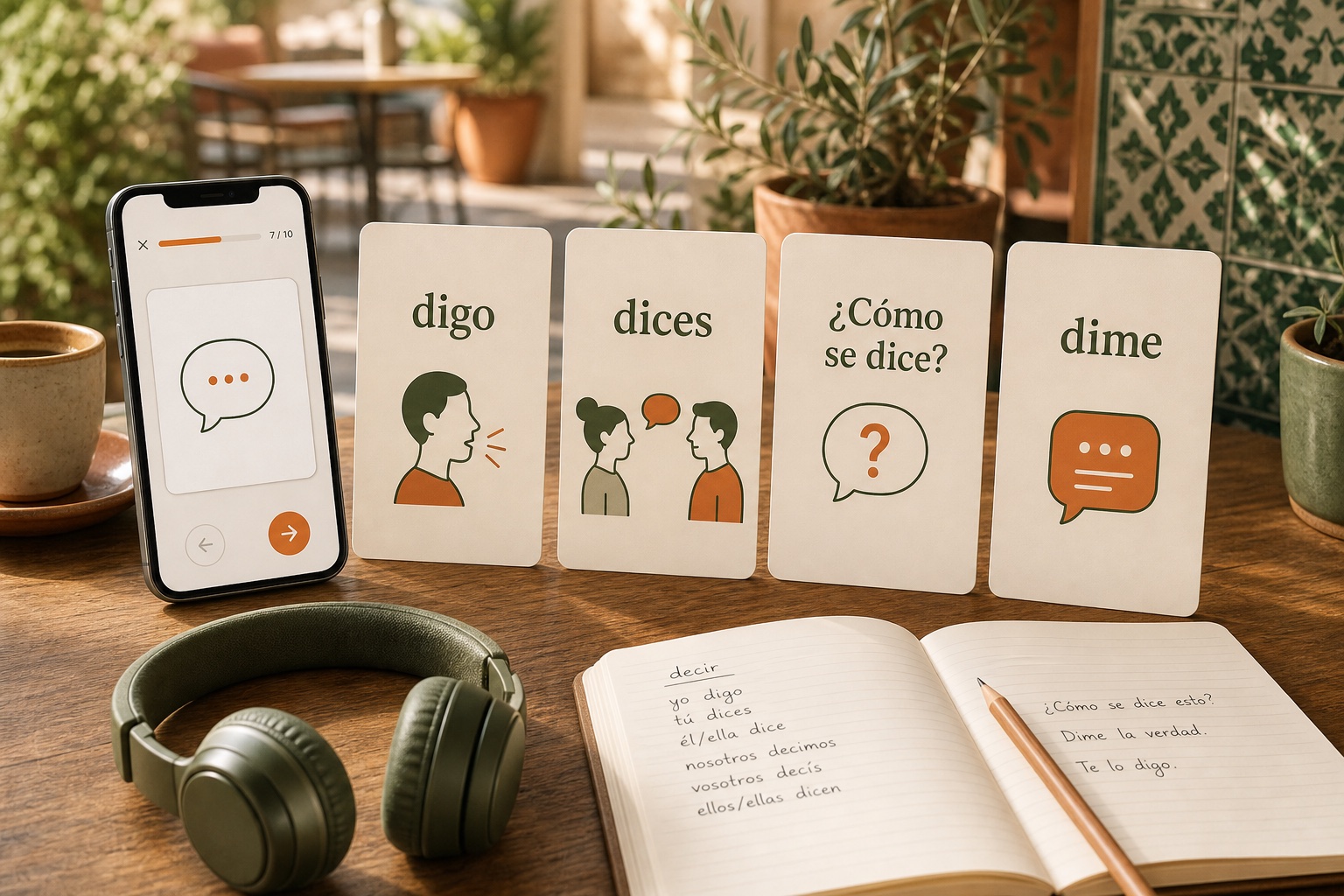
| decir | to say, to tell | Digo la verdad. | Turns passive vocabulary into dialogue. |
| preguntar | to ask | Pregunto el precio. | Turns passive vocabulary into dialogue. |
| responder | to answer | Respondo rápido. | Turns passive vocabulary into dialogue. |
| entender | to understand | Entiendo la pregunta. | Turns passive vocabulary into dialogue. |
| escuchar | to listen | Escucho el audio. | Turns passive vocabulary into dialogue. |
| leer | to read | Leo un libro. | Turns passive vocabulary into dialogue. |
| escribir | to write | Escribo una frase. | Turns passive vocabulary into dialogue. |
| comer | to eat | Como pan. | Helpful in cafes, shops, and travel situations. |
| beber | to drink | Bebo agua. | Helpful in cafes, shops, and travel situations. |
| comprar | to buy | Compro comida. | Helpful in cafes, shops, and travel situations. |
| pagar | to pay | Pago con tarjeta. | Helpful in cafes, shops, and travel situations. |
| buscar | to look for | Busco la tienda. | Helpful in cafes, shops, and travel situations. |
| encontrar | to find | Encuentro la respuesta. | Helpful in cafes, shops, and travel situations. |
| llevar | to carry, to wear, to take | Llevo una mochila. | Helpful in cafes, shops, and travel situations. |
| pedir | to ask for, to order | Pido ayuda. | Helpful in cafes, shops, and travel situations. |
| tomar | to take, to drink | Tomo café. | Helpful in cafes, shops, and travel situations. |
| ver | to see | Veo la casa. | Keeps study sessions active and personal. |
| saber | to know | Sé la respuesta. | Keeps study sessions active and personal. |
| aprender | to learn | Aprendo palabras. | Keeps study sessions active and personal. |
| recordar | to remember | Recuerdo el verbo. | Keeps study sessions active and personal. |
| practicar | to practice | Practico diez minutos. | Keeps study sessions active and personal. |
| jugar | to play | Juego con tarjetas. | Keeps study sessions active and personal. |
| ayudar | to help | Ayudo a mi amigo. | Keeps study sessions active and personal. |
| gustar | to like | Me gusta estudiar. | Keeps study sessions active and personal. |
| esperar | to wait, to hope | Espero aquí. | Keeps study sessions active and personal. |
The same verbs by situation
Groups make verbs easier to practise. Identity verbs help you talk about yourself; movement verbs help with routes; communication verbs turn vocabulary into dialogue.
Being, having, and life
Use these to introduce yourself, say where you are, and describe basic facts.
ser, estar, tener, haber, llamarse, vivir, trabajar, estudiar
Movement and routes
These verbs make simple travel, direction, and schedule phrases possible.
ir, venir, llegar, salir, entrar, volver, viajar, caminar
Daily actions and needs
These verbs cover ordinary requests, routines, and practical actions.
hacer, poder, querer, necesitar, deber, usar, abrir, cerrar
Speech, listening, and writing
Use them when you ask, answer, read, listen, and write.
hablar, decir, preguntar, responder, entender, escuchar, leer, escribir
Food, shopping, and finding things
These verbs help in cafes, shops, and first travel situations.
comer, beber, comprar, pagar, buscar, encontrar, llevar, pedir, tomar
Learning, practice, and help
These verbs keep lessons active and make study examples personal.
ver, saber, aprender, recordar, practicar, jugar, ayudar, gustar, esperar
Do not learn every conjugation at once
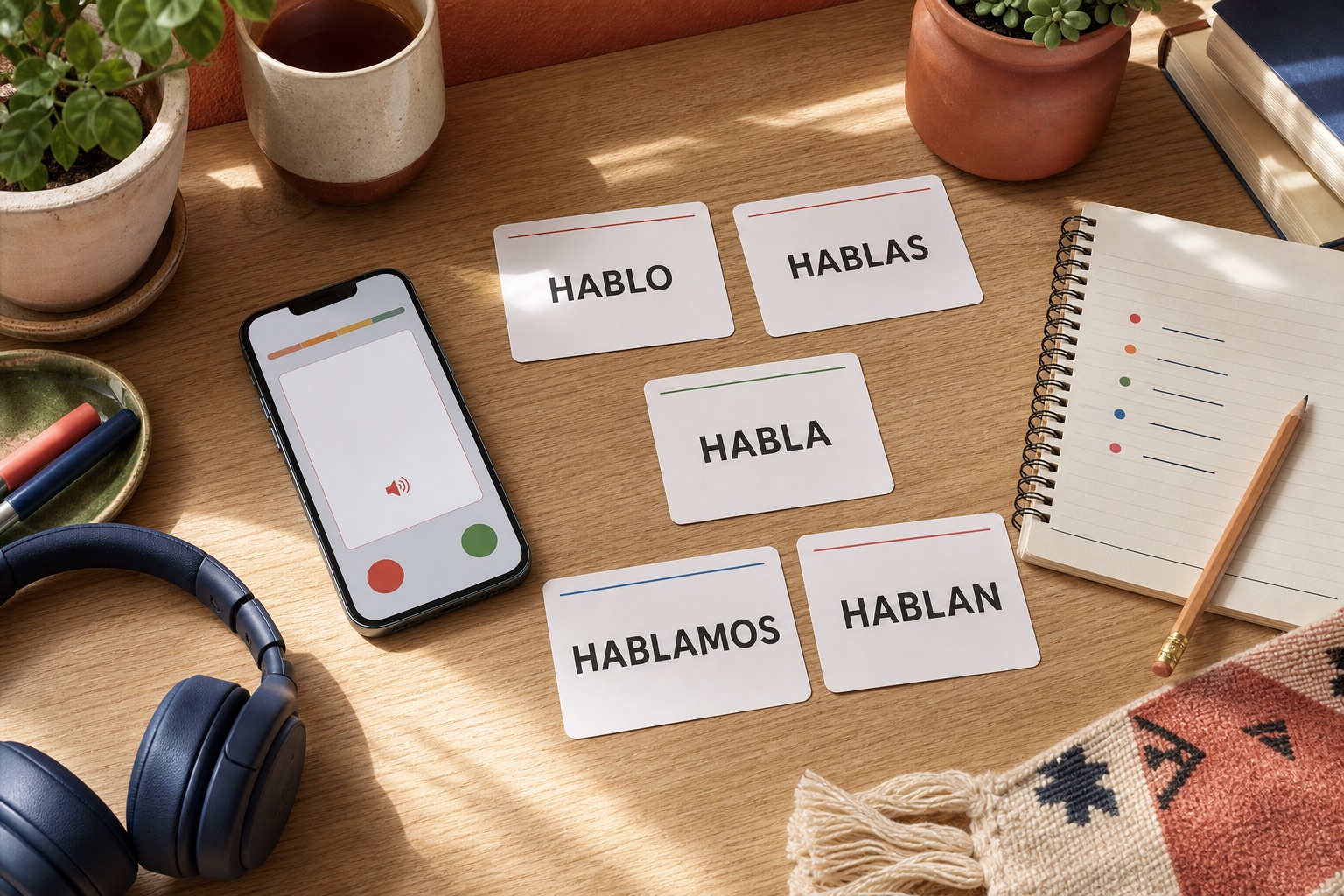
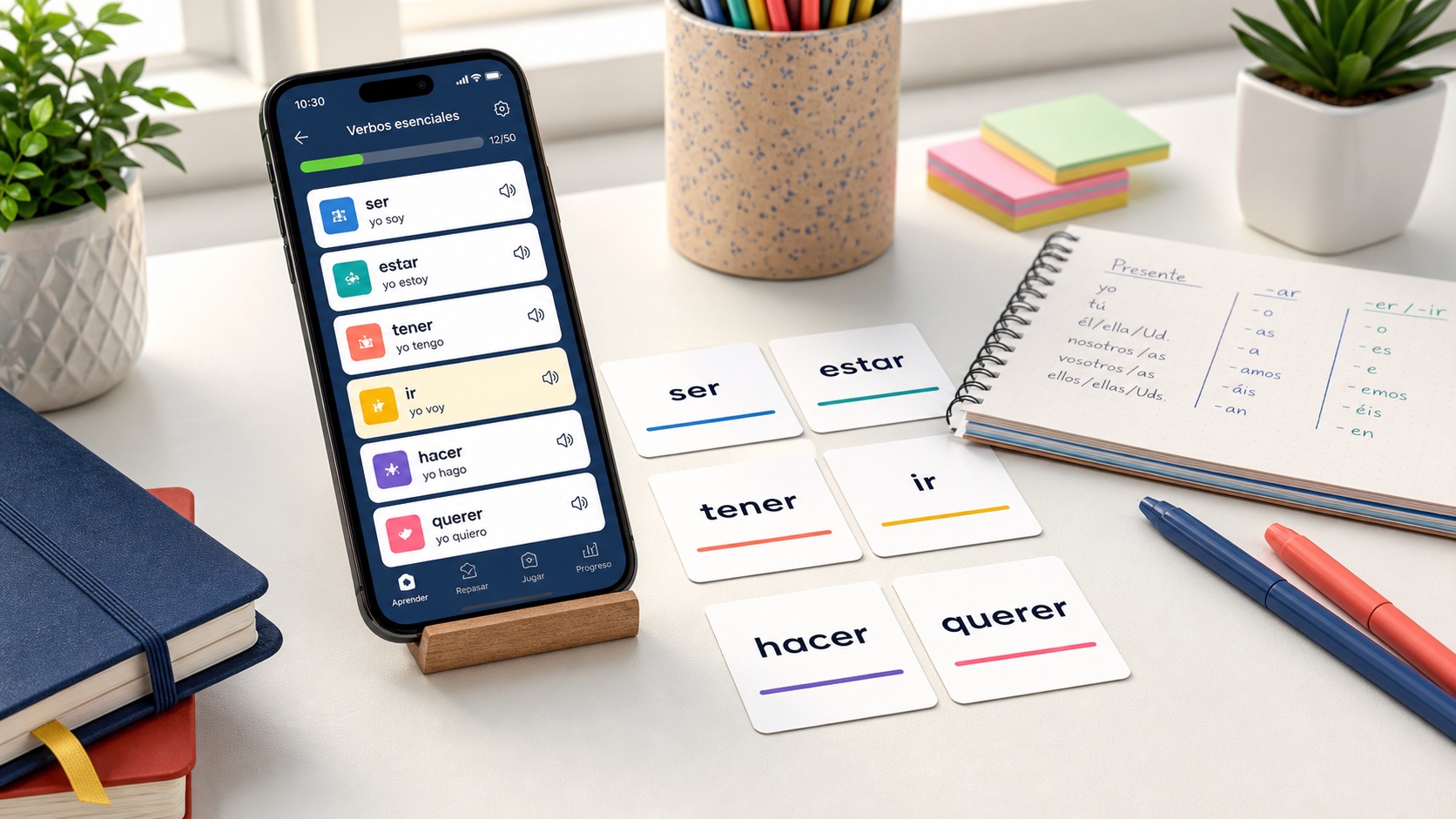
For the first pass, learn the infinitive plus one useful present-tense form: yo soy, estoy, tengo, voy, quiero, puedo, necesito, hablo, entiendo.
Then add tú and usted when the verb starts feeling familiar. This keeps Spanish grammar practical instead of turning it into a wall of endings.
How to study these verbs in 10 minutes a day
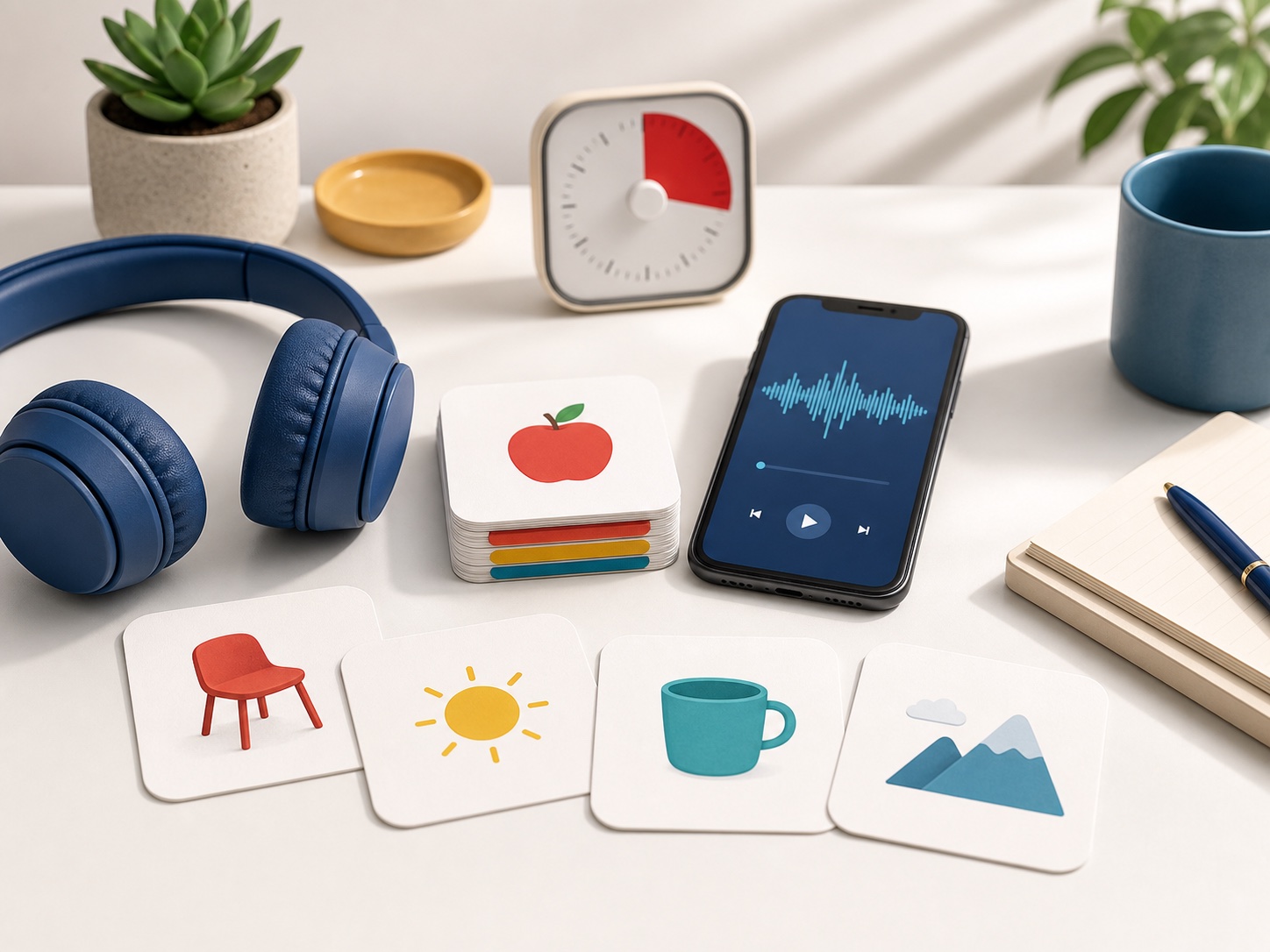
- Pick 5-10 verbs, not all 50 at once.
- Make each card answer one clear question: what does the verb mean, and how does it sound in a short phrase?
- Listen first, then reveal the translation and example.
- Write one Spanish sentence after review. Even a tiny sentence like Quiero agua is enough.
- Keep irregular verbs in the same group, but do not pause the whole course until every form is perfect.
Copy all 50 verbs into a Hola Cards group
Open word groups in Hola Cards, choose paste/import, and paste this block. The app can read the title and the “Spanish verb - translation” lines.
**50 Spanish verbs for beginners**

ser - to be
estar - to be, to be located
tener - to have
haber - there is, there are
llamarse - to be called
vivir - to live
trabajar - to work
estudiar - to study
ir - to go
venir - to come
llegar - to arrive
salir - to leave, to go out
entrar - to enter
volver - to return
viajar - to travel
caminar - to walk
hacer - to do, to make
poder - can, to be able to
querer - to want, to love
necesitar - to need
deber - should, must
usar - to use
abrir - to open
cerrar - to close
hablar - to speak
decir - to say, to tell
preguntar - to ask
responder - to answer
entender - to understand
escuchar - to listen
leer - to read
escribir - to write
comer - to eat
beber - to drink
comprar - to buy
pagar - to pay
buscar - to look for
encontrar - to find
llevar - to carry, to wear, to take
pedir - to ask for, to order
tomar - to take, to drink
ver - to see
saber - to know
aprender - to learn
recordar - to remember
practicar - to practice
jugar - to play
ayudar - to help
gustar - to like
esperar - to wait, to hope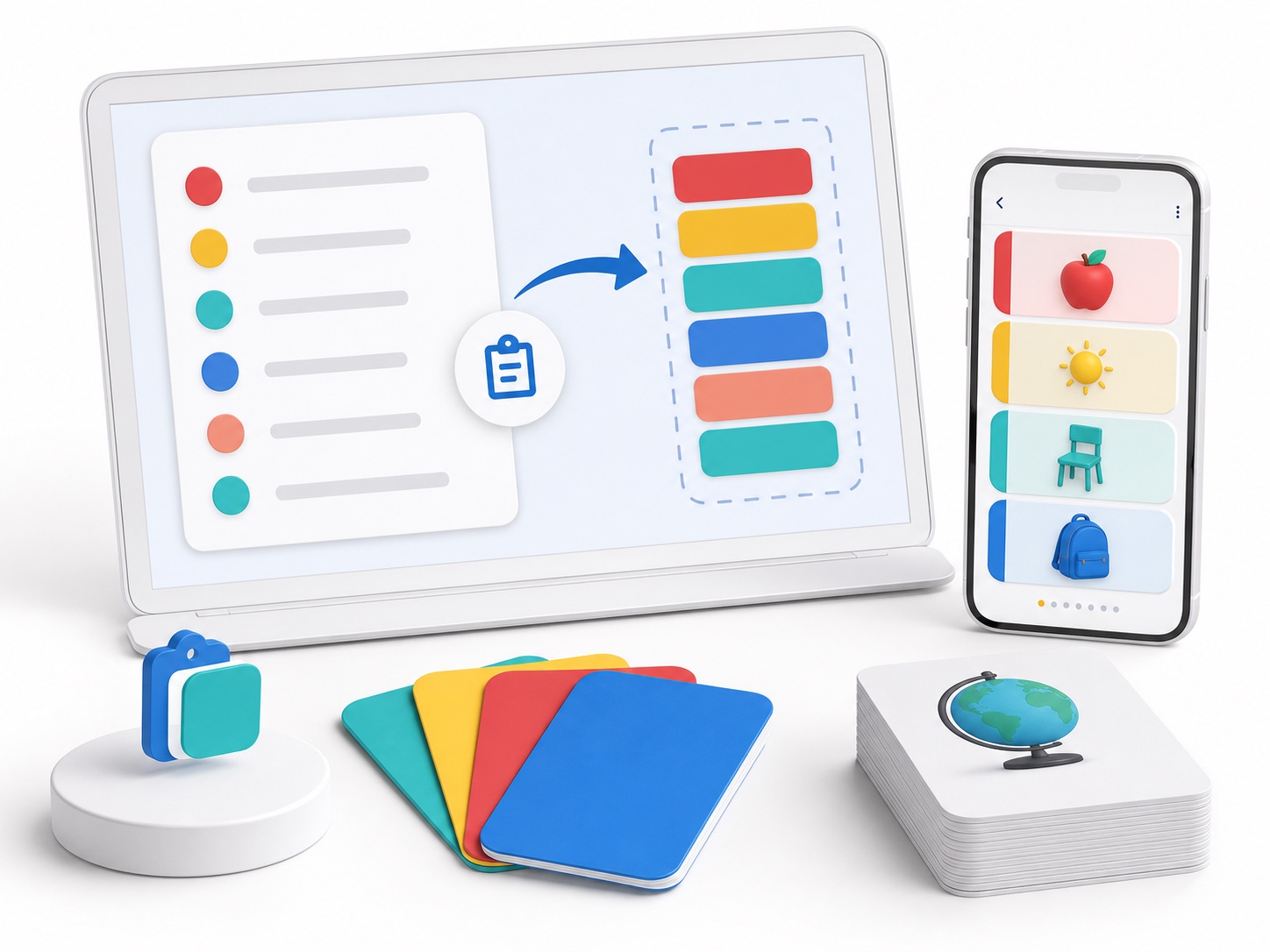
Practice these verbs in Hola Cards
In Hola Cards you can turn these verbs into flashcards with audio, writing, pronunciation practice, and repetition, so the list becomes daily practice.