Practise the connector inside a complete sentence
Import 32 checked examples and recall whether each bridge adds, contrasts, explains, conditions or sets a purpose. The full guide remains useful without the app.
Spanish conjunctions
What are conjunctions in Spanish?
A conjunction is an invariable word or phrase that links equal elements or makes one clause depend on another. Y joins equal information; porque introduces a cause; para que introduces a purpose.
Coordinating conjunctions link elements at the same level. Subordinating conjunctions introduce a clause that depends on the main clause. That distinction helps explain both punctuation and mood.
Conjunctions are not the same as transition words. Pero directly joins clauses inside one sentence; sin embargo often comments on the relation between sentences and is normally set off by punctuation.
Choose a conjunction in four steps
Name the relationship: addition, alternative, contrast, cause, result, time, condition, concession or purpose.
Check sound changes: y becomes e before an i sound; o becomes u before an o sound.
After a negative first clause, use sino to correct a word or phrase and sino que before a conjugated clause.
With time, condition, purpose and concession clauses, decide whether the action is factual/habitual or pending/hypothetical; that often decides indicative versus subjunctive.
32 Spanish conjunctions in complete sentences
The table groups coordinating connectors, cause and result, time and condition, then concession and purpose. Each row gives a complete Spanish sentence and the key grammar cue.
| Spanish sentence | Meaning | Relationship | Why this connector? |
|---|---|---|---|
| Ana estudia español y portugués. | Ana studies Spanish and Portuguese. | y: adición | Joins equal words, phrases or clauses: addition, alternatives and direct contrast. |
| Padres e hijos participaron. | Parents and children took part. | e antes de som i | Joins equal words, phrases or clauses: addition, alternatives and direct contrast. |
| ¿Quieres té o café? | Do you want tea or coffee? | o: alternativa | Joins equal words, phrases or clauses: addition, alternatives and direct contrast. |
| Hay siete u ocho plazas. | There are seven or eight places. | u antes de som o | Joins equal words, phrases or clauses: addition, alternatives and direct contrast. |
| No come carne ni pescado. | He eats neither meat nor fish. | ni: adição negativa | Joins equal words, phrases or clauses: addition, alternatives and direct contrast. |
| Quiero ir, pero no tengo tiempo. | I want to go, but I do not have time. | pero: contraste | Joins equal words, phrases or clauses: addition, alternatives and direct contrast. |
| No quiero té, sino café. | I do not want tea, but coffee. | sino + grupo nominal | Joins equal words, phrases or clauses: addition, alternatives and direct contrast. |
| No llegó tarde, sino que llegó demasiado pronto. | He did not arrive late; rather, he arrived too early. | sino que + oración | Joins equal words, phrases or clauses: addition, alternatives and direct contrast. |
| Me quedo en casa porque llueve. | I am staying home because it is raining. | porque: causa | Connects a reason with its consequence or presents the result of what came before. |
| Ya que estás aquí, ayúdame. | Since you are here, help me. | ya que: causa conhecida | Connects a reason with its consequence or presents the result of what came before. |
| Como era tarde, tomamos un taxi. | As it was late, we took a taxi. | como inicial: causa | Connects a reason with its consequence or presents the result of what came before. |
| Puesto que todos están de acuerdo, empezamos. | Since everyone agrees, we are starting. | puesto que: justificação | Connects a reason with its consequence or presents the result of what came before. |
| Terminó el trabajo, así que salió. | She finished the work, so she left. | así que: resultado | Connects a reason with its consequence or presents the result of what came before. |
| Está cerrado; por eso volvemos mañana. | It is closed; that is why we are returning tomorrow. | por eso: consequência | Connects a reason with its consequence or presents the result of what came before. |
| Perdimos el autobús, de modo que fuimos a pie. | We missed the bus, so we walked. | de modo que: resultado | Connects a reason with its consequence or presents the result of what came before. |
| Date prisa, pues la tienda cierra pronto. | Hurry up, because the shop closes soon. | pues: explicação | Connects a reason with its consequence or presents the result of what came before. |
| Cuando estudio, apago el móvil. | When I study, I turn off my phone. | cuando + indicativo: hábito | Sets time or a condition; factual versus pending meaning can change the verb mood. |
| Te llamaré cuando llegue. | I will call you when I arrive. | cuando + subjuntivo: futuro | Sets time or a condition; factual versus pending meaning can change the verb mood. |
| Escucha música mientras cocinas. | Listen to music while you cook. | mientras: simultaneidade | Sets time or a condition; factual versus pending meaning can change the verb mood. |
| Esperaremos hasta que termine la lluvia. | We will wait until the rain stops. | hasta que + subjuntivo | Sets time or a condition; factual versus pending meaning can change the verb mood. |
| Cierra la puerta antes de que salgas. | Close the door before you leave. | antes de que + subjuntivo | Sets time or a condition; factual versus pending meaning can change the verb mood. |
| Hablaremos después de que termine la reunión. | We will talk after the meeting ends. | depois de que + ação pendente | Sets time or a condition; factual versus pending meaning can change the verb mood. |
| Si tienes tiempo, ven conmigo. | If you have time, come with me. | si + presente: condição aberta | Sets time or a condition; factual versus pending meaning can change the verb mood. |
| Iré a menos que llueva. | I will go unless it rains. | a menos que + subjuntivo | Sets time or a condition; factual versus pending meaning can change the verb mood. |
| Aunque está cansada, sigue trabajando. | Although she is tired, she keeps working. | aunque + indicativo: facto | Expresses concession, purpose or a limiting condition, often with the subjunctive. |
| Aunque llueva, iremos. | Even if it rains, we will go. | aunque + subjuntivo: hipótese | Expresses concession, purpose or a limiting condition, often with the subjunctive. |
| A pesar de que era tarde, seguimos hablando. | Although it was late, we kept talking. | a pesar de que: concessão | Expresses concession, purpose or a limiting condition, often with the subjunctive. |
| Habla despacio para que todos entiendan. | Speak slowly so that everyone understands. | para que + subjuntivo | Expresses concession, purpose or a limiting condition, often with the subjunctive. |
| Te ayudo con tal de que escuches. | I will help you provided that you listen. | con tal de que + subjuntivo | Expresses concession, purpose or a limiting condition, often with the subjunctive. |
| Salió sin que nadie lo viera. | He left without anyone seeing him. | sin que + subjuntivo | Expresses concession, purpose or a limiting condition, often with the subjunctive. |
| Mientras que Ana lee, Luis escribe. | Whereas Ana reads, Luis writes. | mientras que: contraste | Expresses concession, purpose or a limiting condition, often with the subjunctive. |
| No solo estudia, sino que también trabaja. | She not only studies but also works. | no solo… sino que también | Expresses concession, purpose or a limiting condition, often with the subjunctive. |
Four families worth learning together
Group connectors by the relationship they create instead of memorising one long alphabetical list.
Addition, alternatives and correction
Use y/e, o/u, ni, pero, sino and paired forms to coordinate equal elements.
Ana estudia español y portugués. · Padres e hijos participaron. · ¿Quieres té o café? · Hay siete u ocho plazas. · No come carne ni pescado. · Quiero ir, pero no tengo tiempo. · No quiero té, sino café. · No llegó tarde, sino que llegó demasiado pronto.
Cause and result
Use porque, ya que and puesto que for reasons; así que, por eso and de modo que for consequences.
Me quedo en casa porque llueve. · Ya que estás aquí, ayúdame. · Como era tarde, tomamos un taxi. · Puesto que todos están de acuerdo, empezamos. · Terminó el trabajo, así que salió. · Está cerrado; por eso volvemos mañana. · Perdimos el autobús, de modo que fuimos a pie. · Date prisa, pues la tienda cierra pronto.
Time and condition
Use cuando, mientras, hasta que, antes/después de que and si-family connectors, checking factual versus pending meaning.
Cuando estudio, apago el móvil. · Te llamaré cuando llegue. · Escucha música mientras cocinas. · Esperaremos hasta que termine la lluvia. · Cierra la puerta antes de que salgas. · Hablaremos después de que termine la reunión. · Si tienes tiempo, ven conmigo. · Iré a menos que llueva.
Concession, purpose and limits
Use aunque and a pesar de que for concession; para que, con tal de que and sin que for intended or limiting conditions.
Aunque está cansada, sigue trabajando. · Aunque llueva, iremos. · A pesar de que era tarde, seguimos hablando. · Habla despacio para que todos entiendan. · Te ayudo con tal de que escuches. · Salió sin que nadie lo viera. · Mientras que Ana lee, Luis escribe. · No solo estudia, sino que también trabaja.
When does a conjunction trigger the subjunctive?
A conjunction does not trigger one mood in every context. Cuando + indicative describes a habit or known event; cuando + subjunctive points to a future or pending event.
Purpose expressions such as para que normally take the subjunctive because the subordinate action is intended rather than asserted as a fact.
With aunque, indicative presents information as known or asserted; subjunctive makes it hypothetical, backgrounded or irrelevant to the outcome.
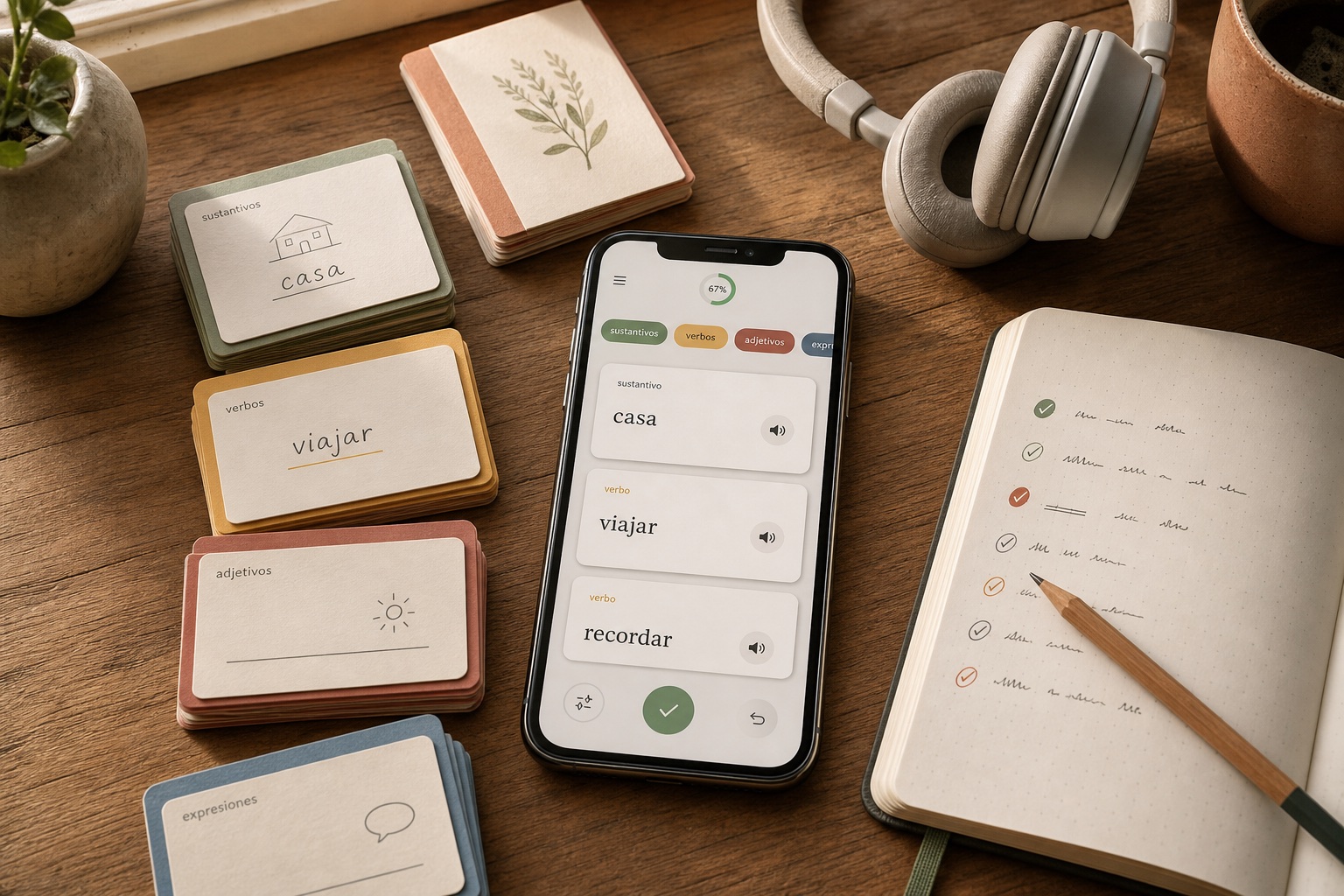
Hola Cards is a Spanish flashcard app from holacards.org for iOS and Android. It is free to download, requires no account and works offline; the free version may show third-party ads and Premium removes them. The interface is available in 29 languages, including English, Russian, Portuguese and German; cards support translations in 29 languages, including English, Russian, Portuguese and German and 18 practice and game modes. You can import these 32 fixed sentences into a custom group and practise them with Spanish audio, writing, pronunciation and spaced review. Hola Cards does not choose a conjunction or correct open-ended sentences automatically, so use the relationship between ideas and this guide to check each answer.
Connect this overview with focused guides on contrast, conditions, mood and discourse connectors.
Pero vs sino Spanish si clauses Subjunctive vs indicative Spanish transition words Spanish word order

A five-minute connector drill
- Cover the conjunction and read the two ideas.
- Name the relationship before choosing a word.
- Say the complete Spanish sentence aloud.
- Change a known event into a pending one and check whether the mood changes.
- Review once from audio and once from writing.
Grammar and usage references
The conjunction classes, contrast rules and CEFR learning scope were checked against UOC, RAE–ASALE and Instituto Cervantes.
- UOC: Spanish conjunctions and conjunction phrases
- RAE–ASALE DPD: pero
- RAE–ASALE DPD: sino
- Instituto Cervantes A1–A2 grammar inventory
- Instituto Cervantes B1–B2 grammar inventory
FAQ
What are the most common Spanish conjunctions?
Start with y/e, o/u, ni, pero, sino, porque, aunque, si, cuando and para que.
Why does y change to e?
Y becomes e before a word beginning with the i sound: padre e hijo. It stays y before the consonantal sound in words such as hielo.
What is the difference between pero and sino?
Pero adds a contrast. Sino corrects a negated alternative: No quiero té, sino café. Use sino que before a conjugated clause.
Do Spanish conjunctions always take the subjunctive?
No. Mood depends on the connector and meaning. Pending or hypothetical time and condition clauses often take the subjunctive; factual or habitual clauses often take the indicative.
Are conjunctions and transition words the same?
No. Conjunctions grammatically join sentence elements or clauses; many transition words organise discourse and are punctuated as separate comments.
Can Hola Cards choose a conjunction for my sentence?
No. You can import and practise these 32 fixed examples; this guide explains the relationship and mood in each one.
Copy 32 Spanish conjunction examples into Hola Cards
Open word groups in Hola Cards, choose paste/import and paste the block. Every line uses “Spanish - translation”.
**Spanish conjunctions: 32 examples**

Ana estudia español y portugués. - Ana studies Spanish and Portuguese.
Padres e hijos participaron. - Parents and children took part.
¿Quieres té o café? - Do you want tea or coffee?
Hay siete u ocho plazas. - There are seven or eight places.
No come carne ni pescado. - He eats neither meat nor fish.
Quiero ir, pero no tengo tiempo. - I want to go, but I do not have time.
No quiero té, sino café. - I do not want tea, but coffee.
No llegó tarde, sino que llegó demasiado pronto. - He did not arrive late; rather, he arrived too early.
Me quedo en casa porque llueve. - I am staying home because it is raining.
Ya que estás aquí, ayúdame. - Since you are here, help me.
Como era tarde, tomamos un taxi. - As it was late, we took a taxi.
Puesto que todos están de acuerdo, empezamos. - Since everyone agrees, we are starting.
Terminó el trabajo, así que salió. - She finished the work, so she left.
Está cerrado; por eso volvemos mañana. - It is closed; that is why we are returning tomorrow.
Perdimos el autobús, de modo que fuimos a pie. - We missed the bus, so we walked.
Date prisa, pues la tienda cierra pronto. - Hurry up, because the shop closes soon.
Cuando estudio, apago el móvil. - When I study, I turn off my phone.
Te llamaré cuando llegue. - I will call you when I arrive.
Escucha música mientras cocinas. - Listen to music while you cook.
Esperaremos hasta que termine la lluvia. - We will wait until the rain stops.
Cierra la puerta antes de que salgas. - Close the door before you leave.
Hablaremos después de que termine la reunión. - We will talk after the meeting ends.
Si tienes tiempo, ven conmigo. - If you have time, come with me.
Iré a menos que llueva. - I will go unless it rains.
Aunque está cansada, sigue trabajando. - Although she is tired, she keeps working.
Aunque llueva, iremos. - Even if it rains, we will go.
A pesar de que era tarde, seguimos hablando. - Although it was late, we kept talking.
Habla despacio para que todos entiendan. - Speak slowly so that everyone understands.
Te ayudo con tal de que escuches. - I will help you provided that you listen.
Salió sin que nadie lo viera. - He left without anyone seeing him.
Mientras que Ana lee, Luis escribe. - Whereas Ana reads, Luis writes.
No solo estudia, sino que también trabaja. - She not only studies but also works.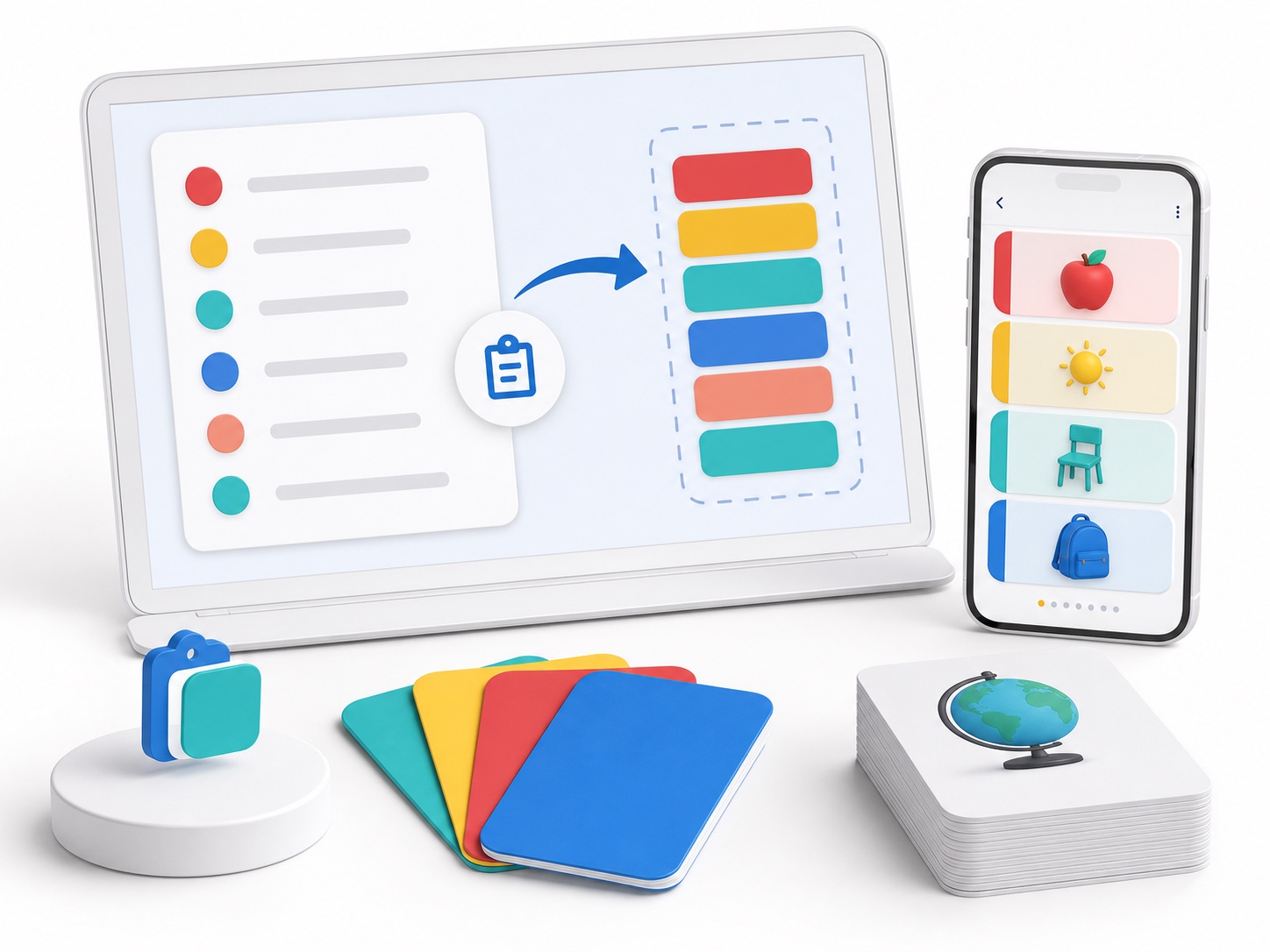
Review Spanish connectors in Hola Cards
Practise 32 fixed sentences with Spanish audio, writing, pronunciation, custom groups and spaced review on iOS and Android.