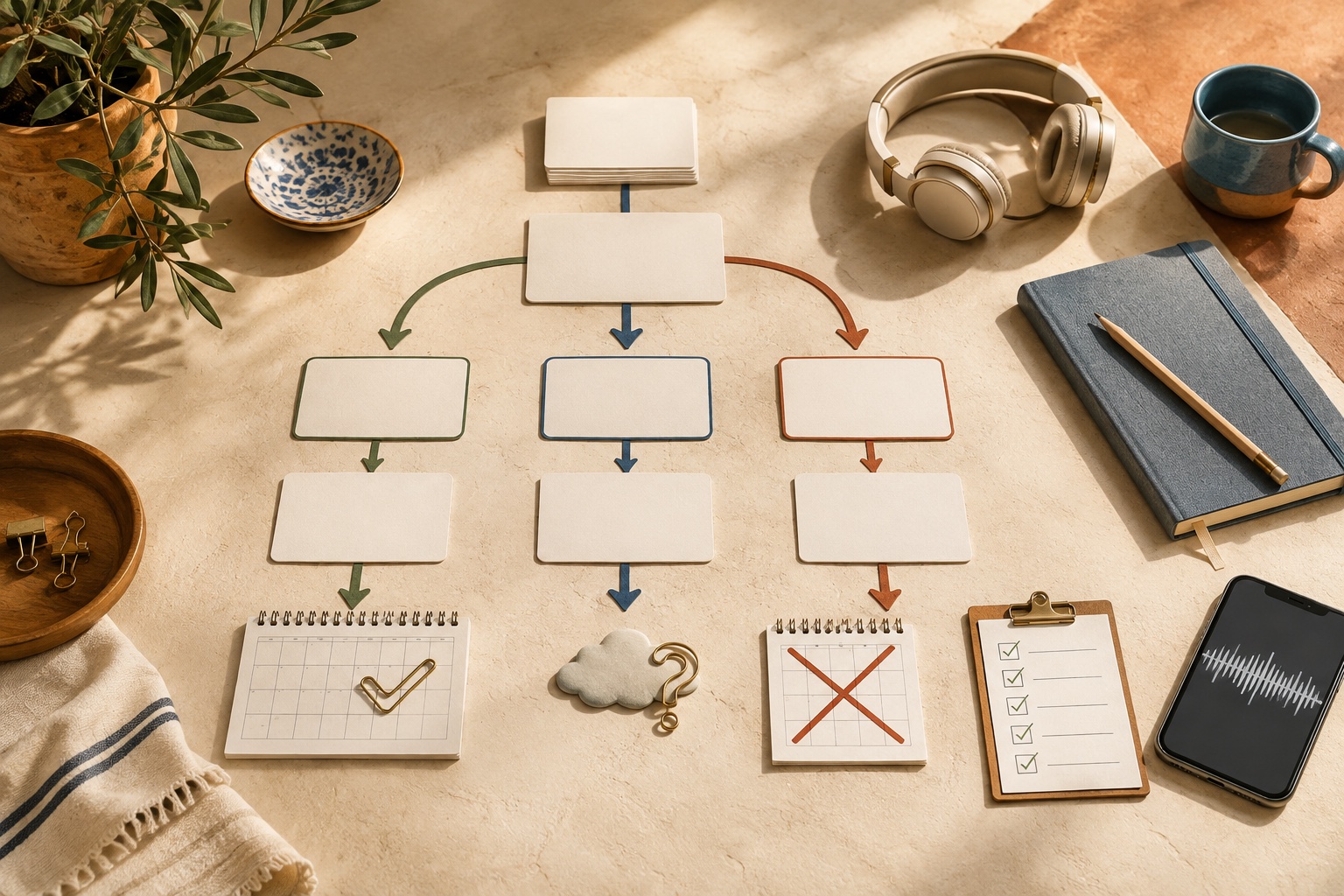
Practise each condition together with its result
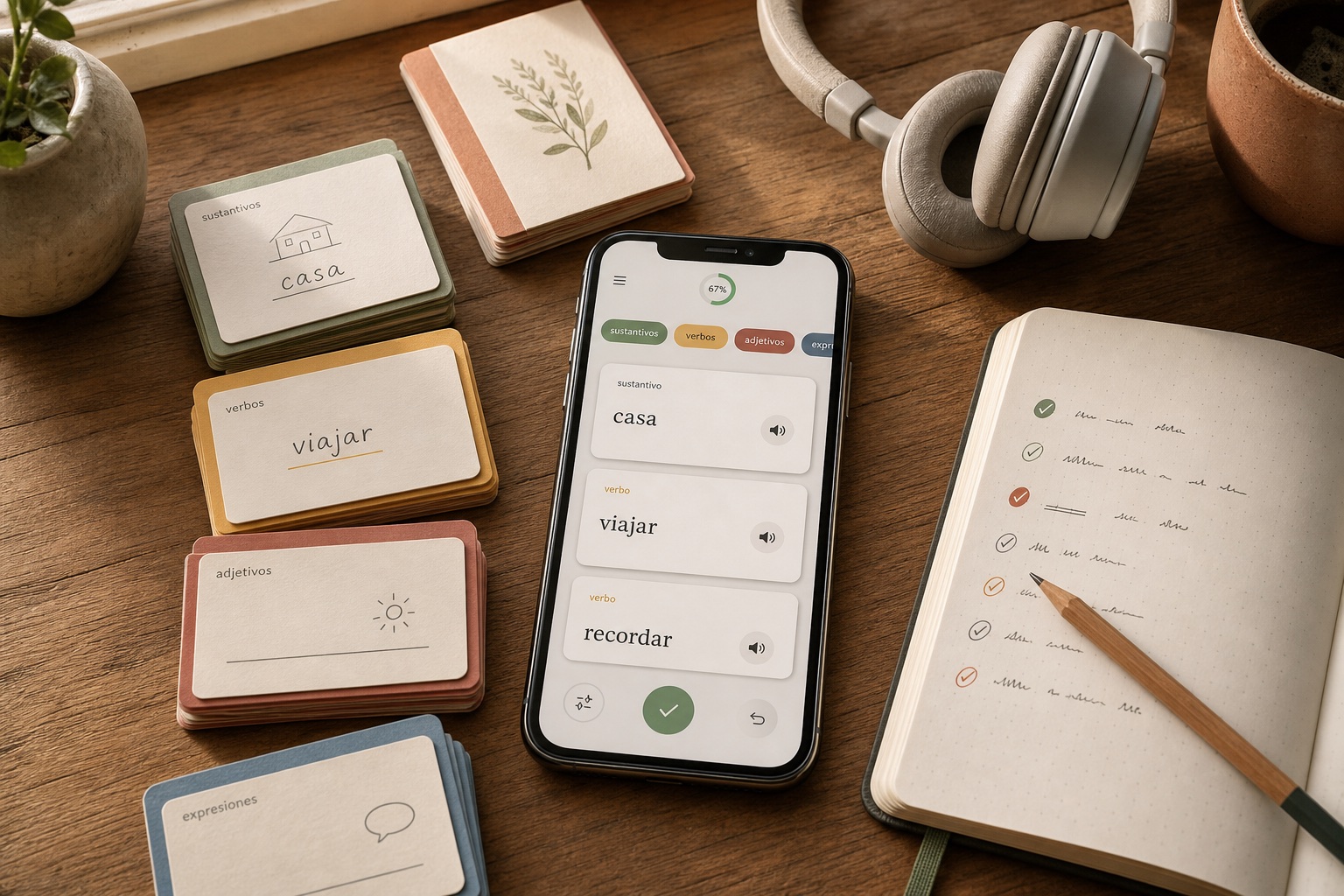
Import the 32 checked examples and recall the complete tense pair with Spanish audio and writing on iOS or Android. The full grammar guide remains available without the app.
Spanish si clauses
What is a Spanish si clause?
A conditional sentence has two parts: the si clause states the condition and the main clause states the result. Either clause may come first: Si tengo tiempo, te llamo and Te llamo si tengo tiempo express the same basic relation.
The useful choice is not “indicative or subjunctive after si?” in isolation. First decide whether the condition is open and plausible, hypothetical now or later, or contrary to a past fact. Then choose the matching pair of forms.
Si has no written accent when it means “if”. Sí with an accent means “yes” or is a reflexive pronoun.
The three-pattern si-clause chart
Real or open: si + present indicative → present, future, or command. Example: Si llegas temprano, tomaremos café.
Hypothetical present or future: si + imperfect subjunctive → simple conditional. Example: Si tuviera tiempo, viajaría.
Impossible or contrary-to-fact past: si + pluperfect subjunctive → conditional perfect. Example: Si hubieras llamado, habría ido.
Mixed conditions connect different times: a past condition can have a present result, or a present state can explain a past result. Keep the reality contrast clear.
32 Spanish si-clause examples
The examples progress from open conditions to hypothetical present situations, unreal pasts, and carefully labelled mixed conditions.
| Spanish sentence | Meaning | Context | Why this pattern |
|---|---|---|---|
| Si tengo tiempo, te llamo. | If I have time, I’ll call you. | La llamada sigue siendo una posibilidad real. | The condition remains open, so si takes an indicative form. |
| Si llueve, nos quedamos en casa. | If it rains, we stay home. | Describe una respuesta habitual a una condición real. | The condition remains open, so si takes an indicative form. |
| Si calientas hielo, se derrite. | If you heat ice, it melts. | Es una consecuencia general y repetible. | The condition remains open, so si takes an indicative form. |
| Si llegas temprano, tomaremos café. | If you arrive early, we’ll have coffee. | La condición futura abierta usa presente después de si. | The condition remains open, so si takes an indicative form. |
| Si quieres, podemos empezar. | If you want, we can start. | La decisión aún está abierta y es posible. | The condition remains open, so si takes an indicative form. |
| Si no entiendes, pregunta. | If you don’t understand, ask. | El resultado es un imperativo motivado por una condición real. | The condition remains open, so si takes an indicative form. |
| Si sales ahora, llegarás a tiempo. | If you leave now, you’ll arrive on time. | Presente en la condición y futuro en el resultado. | The condition remains open, so si takes an indicative form. |
| Si estudiamos cada día, mejoramos. | If we study every day, we improve. | Relaciona un hábito real con su resultado habitual. | The condition remains open, so si takes an indicative form. |
| Si tuviera más tiempo, estudiaría español cada día. | If I had more time, I would study Spanish every day. | La falta de tiempo se presenta como contraria a la situación actual. | The condition is imagined now or later, so si takes the imperfect subjunctive. |
| Si fuera tú, hablaría con Ana. | If I were you, I would talk to Ana. | Es un consejo construido sobre una identidad imaginada. | The condition is imagined now or later, so si takes the imperfect subjunctive. |
| Si pudiéramos viajar, iríamos a Chile. | If we could travel, we would go to Chile. | La posibilidad de viajar se imagina, no se afirma. | The condition is imagined now or later, so si takes the imperfect subjunctive. |
| Si vivieras cerca, nos veríamos más. | If you lived nearby, we would see each other more. | La distancia actual hace hipotética la condición. | The condition is imagined now or later, so si takes the imperfect subjunctive. |
| Si supiera la respuesta, te la diría. | If I knew the answer, I would tell you. | El hablante implica que no conoce la respuesta. | The condition is imagined now or later, so si takes the imperfect subjunctive. |
| Si hiciera buen tiempo, comeríamos fuera. | If the weather were good, we would eat outside. | El tiempo favorable se imagina como escenario. | The condition is imagined now or later, so si takes the imperfect subjunctive. |
| Si me llamaras, podría ayudarte. | If you called me, I could help you. | La llamada es una condición hipotética para la ayuda. | The condition is imagined now or later, so si takes the imperfect subjunctive. |
| Si no costara tanto, lo compraríamos. | If it didn’t cost so much, we would buy it. | El precio real impide la compra imaginada. | The condition is imagined now or later, so si takes the imperfect subjunctive. |
| Si hubiera salido antes, habría llegado a tiempo. | If I had left earlier, I would have arrived on time. | La salida tardía y el resultado ya pertenecen al pasado. | The past condition did not happen, so si takes the pluperfect subjunctive. |
| Si hubieras llamado, habría ido contigo. | If you had called, I would have gone with you. | La llamada no ocurrió y la oportunidad de ir terminó. | The past condition did not happen, so si takes the pluperfect subjunctive. |
| Si hubiéramos reservado, habríamos conseguido mesa. | If we had booked, we would have got a table. | La reserva no se hizo y el restaurante ya estaba lleno. | The past condition did not happen, so si takes the pluperfect subjunctive. |
| Si Ana hubiera estudiado, habría aprobado. | If Ana had studied, she would have passed. | El examen terminó y se imagina un pasado distinto. | The past condition did not happen, so si takes the pluperfect subjunctive. |
| Si no hubiera llovido, habríamos salido. | If it hadn’t rained, we would have gone out. | La lluvia real bloqueó una salida ya imposible. | The past condition did not happen, so si takes the pluperfect subjunctive. |
| Si lo hubiera sabido, te lo habría contado. | If I had known, I would have told you. | El hablante no lo sabía en aquel momento. | The past condition did not happen, so si takes the pluperfect subjunctive. |
| Si hubieran seguido el mapa, no se habrían perdido. | If they had followed the map, they wouldn’t have got lost. | Se imagina la ausencia de un resultado pasado que sí ocurrió. | The past condition did not happen, so si takes the pluperfect subjunctive. |
| Si me hubieras escrito, habría respondido. | If you had written to me, I would have replied. | Ni el mensaje ni la respuesta ocurrieron. | The past condition did not happen, so si takes the pluperfect subjunctive. |
| Si hubiera estudiado medicina, ahora sería médico. | If I had studied medicine, I would be a doctor now. | Una decisión pasada imaginada produce un resultado presente. | The condition and result belong to different times, but the reality contrast stays consistent. |
| Si fuera más organizado, habría terminado ayer. | If I were more organised, I would have finished yesterday. | Un estado presente explica un resultado pasado distinto. | The condition and result belong to different times, but the reality contrast stays consistent. |
| Ahora viviríamos allí si hubiéramos aceptado el trabajo. | We would live there now if we had accepted the job. | El resultado presente aparece primero, pero la forma no cambia. | The condition and result belong to different times, but the reality contrast stays consistent. |
| Habría viajado más si no tuviera miedo a volar. | I would have travelled more if I weren’t afraid of flying. | Un estado actual se conecta con oportunidades pasadas. | The condition and result belong to different times, but the reality contrast stays consistent. |
| Si hubieras dormido mejor, ahora no estarías tan cansado. | If you had slept better, you wouldn’t be so tired now. | El sueño pasado tiene un resultado visible en el presente. | The condition and result belong to different times, but the reality contrast stays consistent. |
| Si hubiera aprendido español de niño, ahora lo hablaría con fluidez. | If I had learnt Spanish as a child, I would speak it fluently now. | Un aprendizaje pasado imaginado cambia una capacidad presente. | The condition and result belong to different times, but the reality contrast stays consistent. |
| Habría aceptado el puesto si viviera más cerca. | I would have accepted the job if I lived closer. | Una circunstancia presente explica una decisión pasada distinta. | The condition and result belong to different times, but the reality contrast stays consistent. |
| Si hubiéramos salido antes, ahora estaríamos en casa. | If we had left earlier, we would be home now. | La condición pasada no cumplida explica la situación presente. | The condition and result belong to different times, but the reality contrast stays consistent. |
Learn si clauses in four meaning blocks
Start with open possibilities, move to imagined situations, then contrast impossible past and mixed-time results.
Real and open conditions
Present indicative after si links a genuine possibility to a present, future, or commanded result.
Si tengo tiempo, te llamo. · Si llueve, nos quedamos en casa. · Si calientas hielo, se derrite. · Si llegas temprano, tomaremos café. · Si quieres, podemos empezar. · Si no entiendes, pregunta. · Si sales ahora, llegarás a tiempo. · Si estudiamos cada día, mejoramos.
Hypothetical present or future
Imperfect subjunctive marks an imagined condition and the conditional gives its result.
Si tuviera más tiempo, estudiaría español cada día. · Si fuera tú, hablaría con Ana. · Si pudiéramos viajar, iríamos a Chile. · Si vivieras cerca, nos veríamos más. · Si supiera la respuesta, te la diría. · Si hiciera buen tiempo, comeríamos fuera. · Si me llamaras, podría ayudarte. · Si no costara tanto, lo compraríamos.
Impossible past conditions
Pluperfect subjunctive marks the missed condition and conditional perfect marks its unreal result.
Si hubiera salido antes, habría llegado a tiempo. · Si hubieras llamado, habría ido contigo. · Si hubiéramos reservado, habríamos conseguido mesa. · Si Ana hubiera estudiado, habría aprobado. · Si no hubiera llovido, habríamos salido. · Si lo hubiera sabido, te lo habría contado. · Si hubieran seguido el mapa, no se habrían perdido. · Si me hubieras escrito, habría respondido.
Mixed-time conditions
A past condition can affect the present, or a present state can explain a past result.
Si hubiera estudiado medicina, ahora sería médico. · Si fuera más organizado, habría terminado ayer. · Ahora viviríamos allí si hubiéramos aceptado el trabajo. · Habría viajado más si no tuviera miedo a volar. · Si hubieras dormido mejor, ahora no estarías tan cansado. · Si hubiera aprendido español de niño, ahora lo hablaría con fluidez. · Habría aceptado el puesto si viviera más cerca. · Si hubiéramos salido antes, ahora estaríamos en casa.
How do you choose the correct pattern?
Locate the condition and the result; clause order does not decide the tense.
Ask whether the condition is genuinely open, imagined now or later, or already impossible because the past is fixed.
Use present indicative after si for the open pattern, imperfect subjunctive for the hypothetical pattern, and pluperfect subjunctive for the unreal past.
Choose the result form separately: present, future, or command for open conditions; conditional for hypotheses; conditional perfect for an unreal past result.
Hola Cards is a Spanish flashcard app from holacards.org for iOS and Android. It is free to download, needs no account, and core study works offline; the free version may show third-party ads while Premium removes them. The interface is available in 29 languages, including English, Russian, Portuguese and German; cards support translations in 29 languages, including English, Russian, Portuguese and German and 18 practice and game modes. You can import these 32 fixed conditional examples into a custom group and practise them with Spanish audio, writing, pronunciation, and review. Hola Cards does not choose a conditional pattern, conjugate verbs, generate sentences, or correct open writing automatically, so use the chart and explanations on this page to check each answer.
Connect the three patterns with their component tenses and the broader mood-choice guide.
Conditional tense endings Imperfect subjunctive Conditional perfect Past perfect Subjunctive vs indicative
A five-minute si-clause routine
- Label a sentence open, hypothetical, unreal past, or mixed.
- Cover the result and produce the correct si-clause form.
- Cover the condition and reconstruct the matching result.
- Reverse the order of the clauses without changing either verb form.
- Say and write one example from each block, then explain why it belongs there.
Grammar references
The A1–A2 open pattern and B1–B2 hypothetical patterns were checked against Instituto Cervantes and RAE–ASALE.
- RAE–ASALE: Basic Spanish grammar
- Instituto Cervantes A1–A2: real conditions with si
- Instituto Cervantes B1–B2: hypothetical and counterfactual conditions
FAQ
What are the three main Spanish si-clause patterns?
Use si + present indicative for real or open conditions, si + imperfect subjunctive with the conditional for hypothetical present or future situations, and si + pluperfect subjunctive with the conditional perfect for an unreal past.
Can the conditional tense follow si?
Not in the standard three patterns. Say si tuviera, not si tendría; put the conditional in the result clause: Si tuviera tiempo, viajaría.
Why is there no future tense after si?
An open future condition normally uses the present indicative after si: Si llegas mañana, hablaremos. The result clause may use the future.
Can I reverse the two clauses?
Yes. Si tuviera tiempo, viajaría and Viajaría si tuviera tiempo keep the same forms. A comma normally separates the clauses when the si clause comes first.
What is a mixed conditional in Spanish?
It links different times, for example a past condition with a present result: Si hubiera estudiado medicina, ahora sería médico.
Does Hola Cards build conditional sentences automatically?
No. You can import and practise the 32 fixed examples; this guide explains how to choose and verify each pattern.
Copy the 32 conditional examples into Hola Cards
Open word groups in Hola Cards, choose paste/import, and paste the block. The app recognises the title and “Spanish - translation” lines.
**Spanish si clauses: 32 examples**

Si tengo tiempo, te llamo. - If I have time, I’ll call you.
Si llueve, nos quedamos en casa. - If it rains, we stay home.
Si calientas hielo, se derrite. - If you heat ice, it melts.
Si llegas temprano, tomaremos café. - If you arrive early, we’ll have coffee.
Si quieres, podemos empezar. - If you want, we can start.
Si no entiendes, pregunta. - If you don’t understand, ask.
Si sales ahora, llegarás a tiempo. - If you leave now, you’ll arrive on time.
Si estudiamos cada día, mejoramos. - If we study every day, we improve.
Si tuviera más tiempo, estudiaría español cada día. - If I had more time, I would study Spanish every day.
Si fuera tú, hablaría con Ana. - If I were you, I would talk to Ana.
Si pudiéramos viajar, iríamos a Chile. - If we could travel, we would go to Chile.
Si vivieras cerca, nos veríamos más. - If you lived nearby, we would see each other more.
Si supiera la respuesta, te la diría. - If I knew the answer, I would tell you.
Si hiciera buen tiempo, comeríamos fuera. - If the weather were good, we would eat outside.
Si me llamaras, podría ayudarte. - If you called me, I could help you.
Si no costara tanto, lo compraríamos. - If it didn’t cost so much, we would buy it.
Si hubiera salido antes, habría llegado a tiempo. - If I had left earlier, I would have arrived on time.
Si hubieras llamado, habría ido contigo. - If you had called, I would have gone with you.
Si hubiéramos reservado, habríamos conseguido mesa. - If we had booked, we would have got a table.
Si Ana hubiera estudiado, habría aprobado. - If Ana had studied, she would have passed.
Si no hubiera llovido, habríamos salido. - If it hadn’t rained, we would have gone out.
Si lo hubiera sabido, te lo habría contado. - If I had known, I would have told you.
Si hubieran seguido el mapa, no se habrían perdido. - If they had followed the map, they wouldn’t have got lost.
Si me hubieras escrito, habría respondido. - If you had written to me, I would have replied.
Si hubiera estudiado medicina, ahora sería médico. - If I had studied medicine, I would be a doctor now.
Si fuera más organizado, habría terminado ayer. - If I were more organised, I would have finished yesterday.
Ahora viviríamos allí si hubiéramos aceptado el trabajo. - We would live there now if we had accepted the job.
Habría viajado más si no tuviera miedo a volar. - I would have travelled more if I weren’t afraid of flying.
Si hubieras dormido mejor, ahora no estarías tan cansado. - If you had slept better, you wouldn’t be so tired now.
Si hubiera aprendido español de niño, ahora lo hablaría con fluidez. - If I had learnt Spanish as a child, I would speak it fluently now.
Habría aceptado el puesto si viviera más cerca. - I would have accepted the job if I lived closer.
Si hubiéramos salido antes, ahora estaríamos en casa. - If we had left earlier, we would be home now.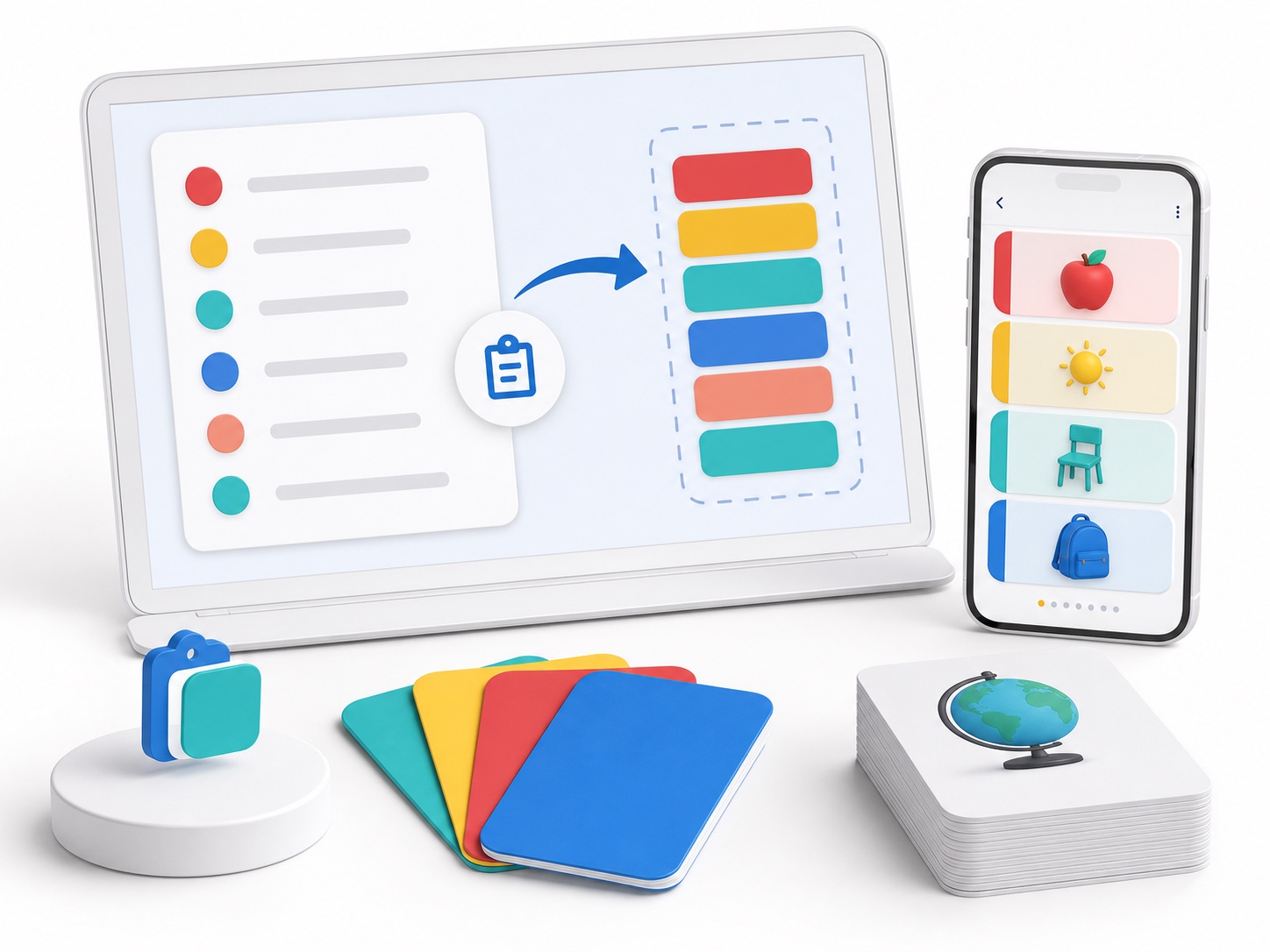
Review complete conditional pairs in Hola Cards
Practise the 32 fixed examples with Spanish audio, writing, pronunciation, custom groups, and review modes on iOS and Android.