Learn the trigger and imperfect-subjunctive form together
Import the 32 checked examples and review them with Spanish audio and writing on iOS or Android. The grammar guide remains complete without the app.
Spanish imperfect subjunctive
How do you form the Spanish imperfect subjunctive?
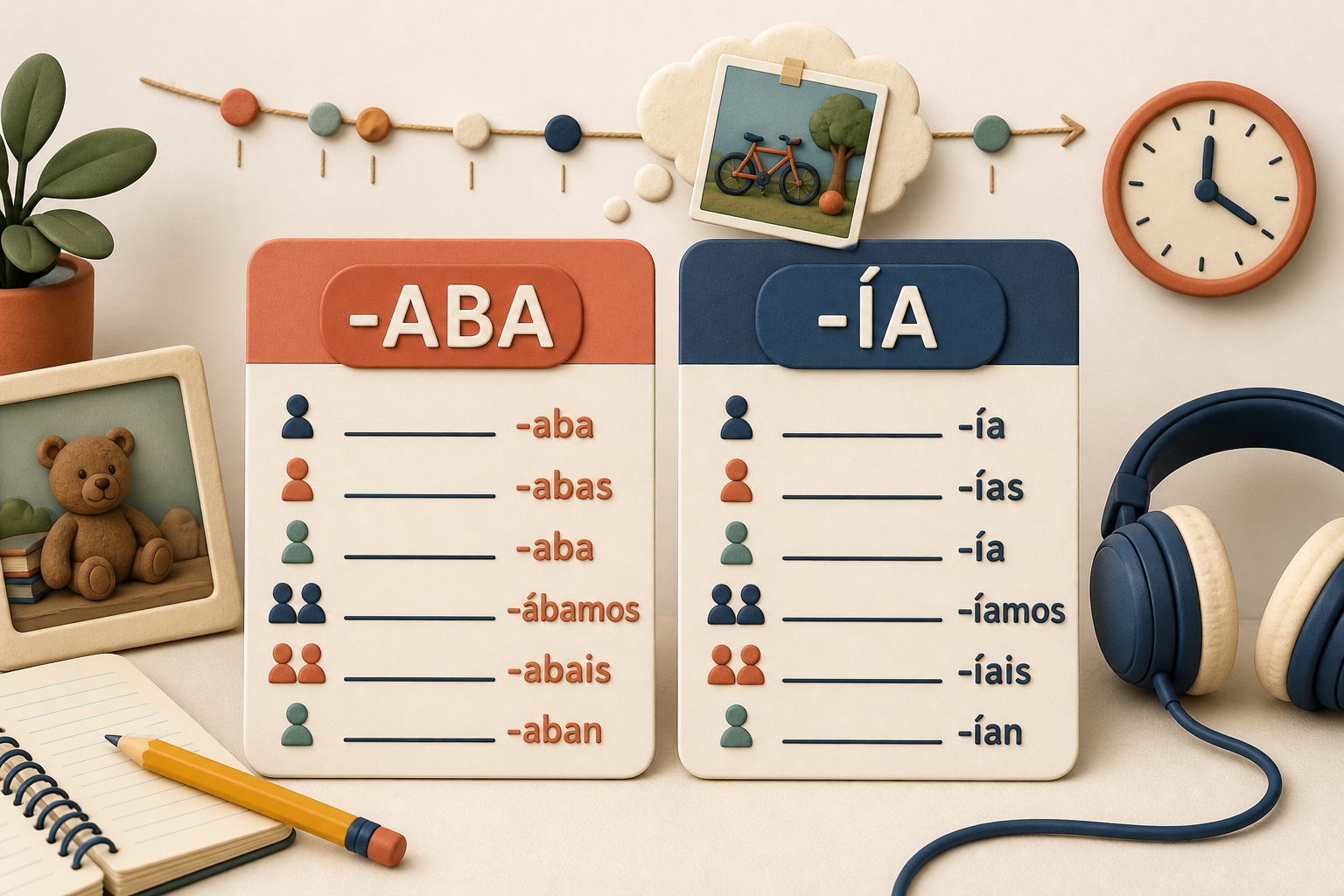
Find the ellos or ustedes form of the preterite, remove -ron, then add -ra, -ras, -ra, -ramos, -rais or -ran. Hablaron gives hablara; comieron gives comiera; vivieron gives viviera. The nosotros form needs a written accent: habláramos, comiéramos, viviéramos.
This rule carries every preterite stem into the new tense. Fueron gives fuera, tuvieron gives tuviera, dijeron gives dijera and hicieron gives hiciera. There is no separate list of imperfect-subjunctive irregular stems: learn the irregular preterite first.
Spanish also has the standard -se series: hablase, hablases, hablase, hablásemos, hablaseis, hablasen. In ordinary subjunctive contexts, the -ra and -se alternatives usually express the same grammar; choose one consistently for production and recognise the other.
Build and choose the form in four steps
Identify the ellos preterite: hablaron, comieron, tuvieron or dijeron.
Remove only -ron to get the working base: habla-, comie-, tuvie- or dije-.
Add the -ra set, or the parallel -se set, and write the accent in nosotros.
Check the trigger: a past-dependent subjunctive, an unreal si clause, como si, ojalá or a conventional polite quisiera.
32 Spanish imperfect-subjunctive examples
The examples cover regular formation, both standard ending sets, preterite-based irregulars, past-dependent clauses and hypothetical uses.
| Spanish sentence | Meaning | Pattern in context | Why this form? |
|---|---|---|---|
| Esperaba que yo hablara primero. | She hoped I would speak first. | Hablaron menos -ron da habla-; yo añade -ra. | The ellos preterite loses -ron and takes the -ra ending. |
| Querían que tú comieras con ellos. | They wanted you to eat with them. | Comieron menos -ron da comie-; tú añade -ras. | The ellos preterite loses -ron and takes the -ra ending. |
| Era importante que ella viviera cerca. | It was important that she live nearby. | Vivieron menos -ron da vivie-; ella añade -ra. | The ellos preterite loses -ron and takes the -ra ending. |
| Preferíamos que usted llegara temprano. | We preferred that you arrive early. | Llegaron menos -ron da llega-; usted usa -ra. | The ellos preterite loses -ron and takes the -ra ending. |
| Dudaban que habláramos en serio. | They doubted that we were serious. | Nosotros lleva el acento: habláramos. | The nosotros form adds -ramos and marks the preceding vowel with an accent. |
| Me sorprendió que comierais tan tarde. | I was surprised that you all ate so late. | Vosotros toma -rais: comierais. | The ellos preterite loses -ron and takes the -ra ending. |
| No creían que ellos salieran juntos. | They did not believe the two would leave together. | Salieron menos -ron da salie-; ellos añade -ran. | The ellos preterite loses -ron and takes the -ra ending. |
| El profesor pidió que escribiésemos una frase. | The teacher asked us to write a sentence. | Escribiésemos muestra la serie alternativa en -se. | This is the standard parallel -se form. |
| No pensaba que fuera tan difícil. | I did not think it would be so difficult. | Fueron da la base fue- y la forma fuera. | The imperfect subjunctive inherits this irregular preterite stem. |
| Ojalá tuviera más tiempo. | I wish I had more time. | Tuvieron da la base tuvie- y la forma tuviera. | The imperfect subjunctive inherits this irregular preterite stem. |
| Quería que hicieras una pausa. | I wanted you to take a break. | Hicieron da la base hicie- y la forma hicieras. | The imperfect subjunctive inherits this irregular preterite stem. |
| Dudaba que dijeran la verdad. | I doubted that they were telling the truth. | Dijeron da la base dije- y la forma dijeran. | The imperfect subjunctive inherits this irregular preterite stem. |
| Me alegró que estuvieras allí. | I was glad you were there. | Estuvieron da la base estuvie- y la forma estuvieras. | The imperfect subjunctive inherits this irregular preterite stem. |
| No creían que pudiéramos terminar. | They did not believe we could finish. | Pudieron da pudie-; pudiéramos lleva acento. | The nosotros form adds -ramos and marks the preceding vowel with an accent. |
| Esperábamos que viniese Ana. | We hoped Ana would come. | Vinieron da vinie-; viniese usa la serie en -se. | This is the standard parallel -se form. |
| Hablaba como si supiera la respuesta. | He spoke as if he knew the answer. | Supieron da supie-; como si exige subjuntivo. | Como si is followed by an imperfect or pluperfect subjunctive. |
| Quería que vinieras mañana. | I wanted you to come the next day. | Quería que desplaza la subordinada al pasado. | A past trigger requires the subjunctive in the dependent clause. |
| Me alegró que aprobaras el examen. | I was glad you passed the exam. | Me alegró que presenta una reacción pasada. | A past trigger requires the subjunctive in the dependent clause. |
| Dudábamos que el plan funcionara. | We doubted the plan would work. | Dudábamos que mantiene el subjuntivo en el pasado. | A past trigger requires the subjunctive in the dependent clause. |
| No pensó que fuera necesario. | She did not think it was necessary. | La opinión negada está en el pasado. | A past trigger requires the subjunctive in the dependent clause. |
| Buscaban a alguien que hablara portugués. | They were looking for someone who spoke Portuguese. | El referente era desconocido y la búsqueda estaba en el pasado. | A past trigger requires the subjunctive in the dependent clause. |
| Cerró la puerta para que no entrara nadie. | He closed the door so that nobody would enter. | Para que expresa una finalidad pasada. | A past trigger requires the subjunctive in the dependent clause. |
| Salimos antes de que empezara la lluvia. | We left before the rain started. | Antes de que mantiene subjuntivo en este relato pasado. | A past trigger requires the subjunctive in the dependent clause. |
| El jefe pidió que terminásemos hoy. | The manager asked us to finish that day. | Pidió que activa subjuntivo; terminásemos usa -se. | This is the standard parallel -se form. |
| Si tuviera tiempo, viajaría más. | If I had time, I would travel more. | La condición es hipotética; el resultado usa condicional. | An unreal or unlikely si clause uses the imperfect subjunctive. |
| Si fueras yo, ¿qué harías? | If you were me, what would you do? | La situación es irreal y se plantea con si + imperfecto de subjuntivo. | An unreal or unlikely si clause uses the imperfect subjunctive. |
| Si pudiéramos elegir, iríamos en tren. | If we could choose, we would go by train. | Pudiéramos marca la hipótesis; iríamos expresa el resultado. | The nosotros form adds -ramos and marks the preceding vowel with an accent. |
| Comprarían la casa si costara menos. | They would buy the house if it cost less. | El resultado condicional puede aparecer antes de la cláusula con si. | An unreal or unlikely si clause uses the imperfect subjunctive. |
| Habla como si conociera a todos. | He talks as if he knew everyone. | Como si selecciona imperfecto de subjuntivo. | Como si is followed by an imperfect or pluperfect subjunctive. |
| Ojalá estuvieras aquí. | I wish you were here. | Ojalá presenta un deseo contrario a la situación actual. | An unreal or unlikely si clause uses the imperfect subjunctive. |
| Quisiera reservar una mesa para dos. | I would like to reserve a table for two. | Quisiera funciona como petición cortés convencional. | Quisiera is a conventional polite use of the imperfect subjunctive. |
| Sería mejor que lo pensaras otra vez. | It would be better if you thought about it again. | El condicional sería mejor que introduce una recomendación hipotética. | An unreal or unlikely si clause uses the imperfect subjunctive. |
Learn the imperfect subjunctive in four blocks
Build the regular pattern first, carry over irregular preterite stems, then connect each form to past and hypothetical meaning.
Regular formation and both endings
Build the -ra series from the ellos preterite, accent nosotros and recognise the parallel -se series.
Esperaba que yo hablara primero. · Querían que tú comieras con ellos. · Era importante que ella viviera cerca. · Preferíamos que usted llegara temprano. · Dudaban que habláramos en serio. · Me sorprendió que comierais tan tarde. · No creían que ellos salieran juntos. · El profesor pidió que escribiésemos una frase.
Irregular preterite stems carried forward
Use fueron, tuvieron, hicieron, dijeron and other irregular preterites as the source.
No pensaba que fuera tan difícil. · Ojalá tuviera más tiempo. · Quería que hicieras una pausa. · Dudaba que dijeran la verdad. · Me alegró que estuvieras allí. · No creían que pudiéramos terminar. · Esperábamos que viniese Ana. · Hablaba como si supiera la respuesta.
Past wishes, reactions, doubt and purpose
Keep the subjunctive relationship when the main trigger moves into the past.
Quería que vinieras mañana. · Me alegró que aprobaras el examen. · Dudábamos que el plan funcionara. · No pensó que fuera necesario. · Buscaban a alguien que hablara portugués. · Cerró la puerta para que no entrara nadie. · Salimos antes de que empezara la lluvia. · El jefe pidió que terminásemos hoy.
Conditions, como si, wishes and courtesy
Separate realistic si clauses from hypothetical patterns and learn conventional quisiera.
Si tuviera tiempo, viajaría más. · Si fueras yo, ¿qué harías? · Si pudiéramos elegir, iríamos en tren. · Comprarían la casa si costara menos. · Habla como si conociera a todos. · Ojalá estuvieras aquí. · Quisiera reservar una mesa para dos. · Sería mejor que lo pensaras otra vez.
When do you use the imperfect subjunctive?
Use it after a past verb that triggers the subjunctive: Quería que vinieras; Dudaba que fuera cierto; Cerró la puerta para que no entrara nadie.
Use it in unreal or unlikely present and future conditions: Si tuviera tiempo, viajaría. For an open, realistic condition use the present indicative instead: Si tengo tiempo, viajo.
Use it after como si and in wishes or conventional courtesy: Habla como si supiera todo; Ojalá estuvieras aquí; Quisiera reservar una mesa. A past counterfactual normally needs the pluperfect subjunctive: Si hubiera estudiado, habría aprobado.
Hola Cards is a Spanish flashcard app from holacards.org for iOS and Android. It is free to download, requires no account, and core study works offline; the free version may show third-party ads and Premium removes them. The interface is available in 29 languages, including English, Russian, Portuguese and German; cards support translations in 29 languages, including English, Russian, Portuguese and German and 18 practice and game modes. You can import these fixed examples into a custom group and practise them with Spanish audio, writing, pronunciation, and review modes. Hola Cards does not conjugate verbs, choose the correct mood, or correct open sentences automatically, so use this guide to verify every example first.
Connect this tense with the present subjunctive, conditional, irregular preterite, preterite versus imperfect and past perfect.
Present subjunctive Conditional endings Irregular preterite Preterite vs imperfect Past perfect
A five-minute practice routine
- Write the six -ra endings and circle the accent in -ramos.
- Convert hablaron, comieron and vivieron into all six persons.
- Repeat the same process with fueron, tuvieron, hicieron and dijeron.
- Underline the past trigger in four dependent-clause examples.
- Contrast Si tengo tiempo, voy with Si tuviera tiempo, iría.
Grammar references
The conjugation, B2 scope, past contrast and wish patterns were checked against primary RAE–ASALE and Instituto Cervantes sources.
- RAE–ASALE: Spanish conjugation models
- Instituto Cervantes B1–B2 grammar inventory
- Instituto Cervantes B2: imperfect-subjunctive formation and past contrast
- Instituto Cervantes B2: wishes with imperfect subjunctive and conditional
FAQ
How do you form the Spanish imperfect subjunctive?
Take the ellos preterite, remove -ron and add the imperfect-subjunctive endings: hablaron → hablara, tuvieron → tuviera.
What are the -ra endings?
They are -ra, -ras, -ra, -ramos, -rais and -ran. The nosotros form has a written accent: habláramos.
Are the -ra and -se forms both correct?
Yes. Forms such as hablara and hablase are both standard in ordinary subjunctive contexts. Learn to recognise both.
Why is it si tuviera tiempo, viajaría?
An unreal or unlikely condition uses the imperfect subjunctive after si and the conditional in the result.
Is si tendría correct?
Not in the standard hypothetical pattern. Say si tuviera tiempo, tendría opciones.
Does Hola Cards conjugate verbs automatically?
No. You can import and practise these fixed examples; this page explains how to form and verify them.
Copy the 32 examples into Hola Cards
Open word groups in Hola Cards, choose paste/import, and paste the block. The app recognises the title and “Spanish - translation” lines.
**Spanish imperfect subjunctive: 32 examples**

Esperaba que yo hablara primero. - She hoped I would speak first.
Querían que tú comieras con ellos. - They wanted you to eat with them.
Era importante que ella viviera cerca. - It was important that she live nearby.
Preferíamos que usted llegara temprano. - We preferred that you arrive early.
Dudaban que habláramos en serio. - They doubted that we were serious.
Me sorprendió que comierais tan tarde. - I was surprised that you all ate so late.
No creían que ellos salieran juntos. - They did not believe the two would leave together.
El profesor pidió que escribiésemos una frase. - The teacher asked us to write a sentence.
No pensaba que fuera tan difícil. - I did not think it would be so difficult.
Ojalá tuviera más tiempo. - I wish I had more time.
Quería que hicieras una pausa. - I wanted you to take a break.
Dudaba que dijeran la verdad. - I doubted that they were telling the truth.
Me alegró que estuvieras allí. - I was glad you were there.
No creían que pudiéramos terminar. - They did not believe we could finish.
Esperábamos que viniese Ana. - We hoped Ana would come.
Hablaba como si supiera la respuesta. - He spoke as if he knew the answer.
Quería que vinieras mañana. - I wanted you to come the next day.
Me alegró que aprobaras el examen. - I was glad you passed the exam.
Dudábamos que el plan funcionara. - We doubted the plan would work.
No pensó que fuera necesario. - She did not think it was necessary.
Buscaban a alguien que hablara portugués. - They were looking for someone who spoke Portuguese.
Cerró la puerta para que no entrara nadie. - He closed the door so that nobody would enter.
Salimos antes de que empezara la lluvia. - We left before the rain started.
El jefe pidió que terminásemos hoy. - The manager asked us to finish that day.
Si tuviera tiempo, viajaría más. - If I had time, I would travel more.
Si fueras yo, ¿qué harías? - If you were me, what would you do?
Si pudiéramos elegir, iríamos en tren. - If we could choose, we would go by train.
Comprarían la casa si costara menos. - They would buy the house if it cost less.
Habla como si conociera a todos. - He talks as if he knew everyone.
Ojalá estuvieras aquí. - I wish you were here.
Quisiera reservar una mesa para dos. - I would like to reserve a table for two.
Sería mejor que lo pensaras otra vez. - It would be better if you thought about it again.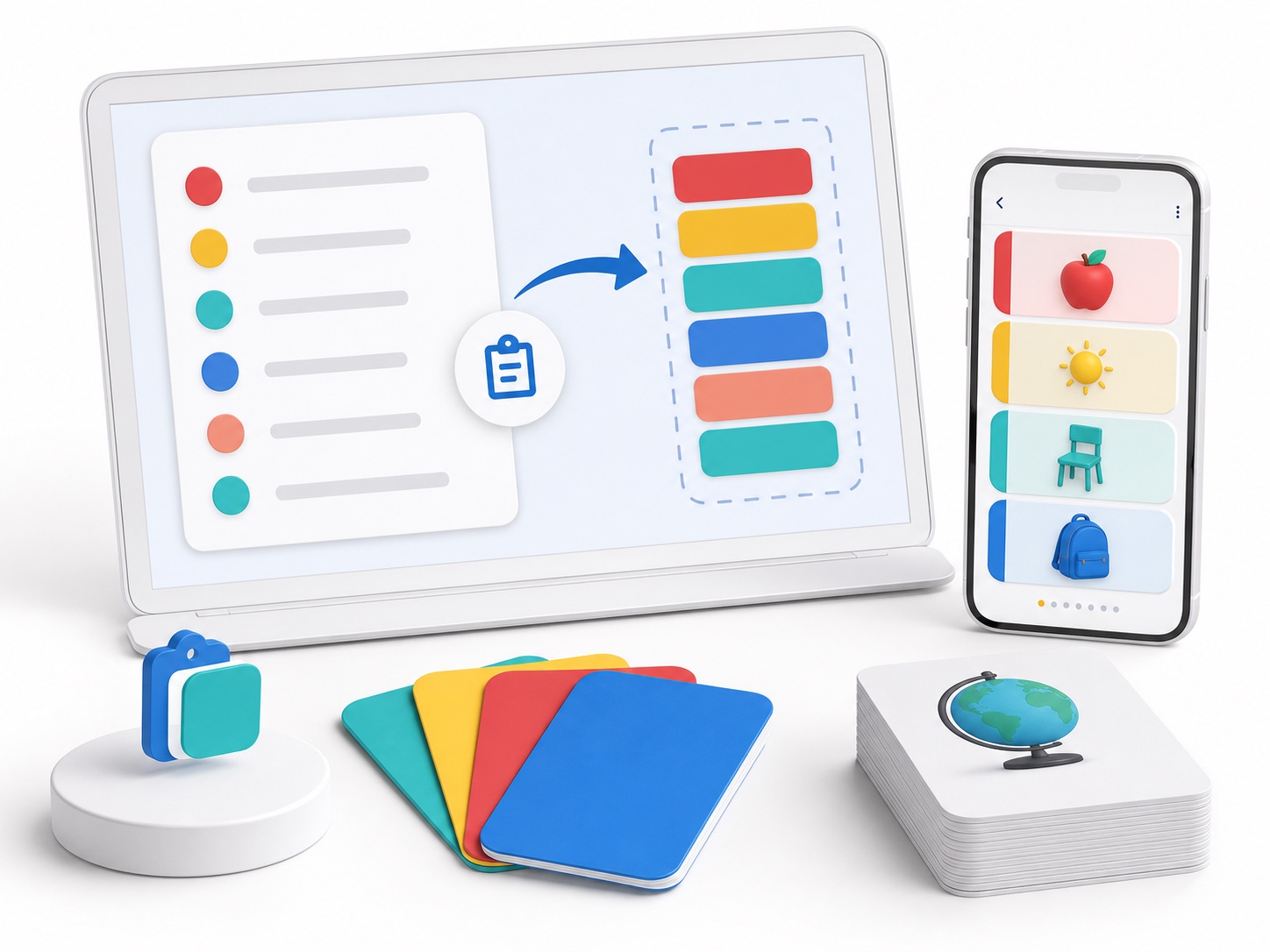
Review the imperfect subjunctive in Hola Cards
Practise the 32 fixed examples with Spanish audio, writing, pronunciation, custom groups, and review modes on iOS and Android.