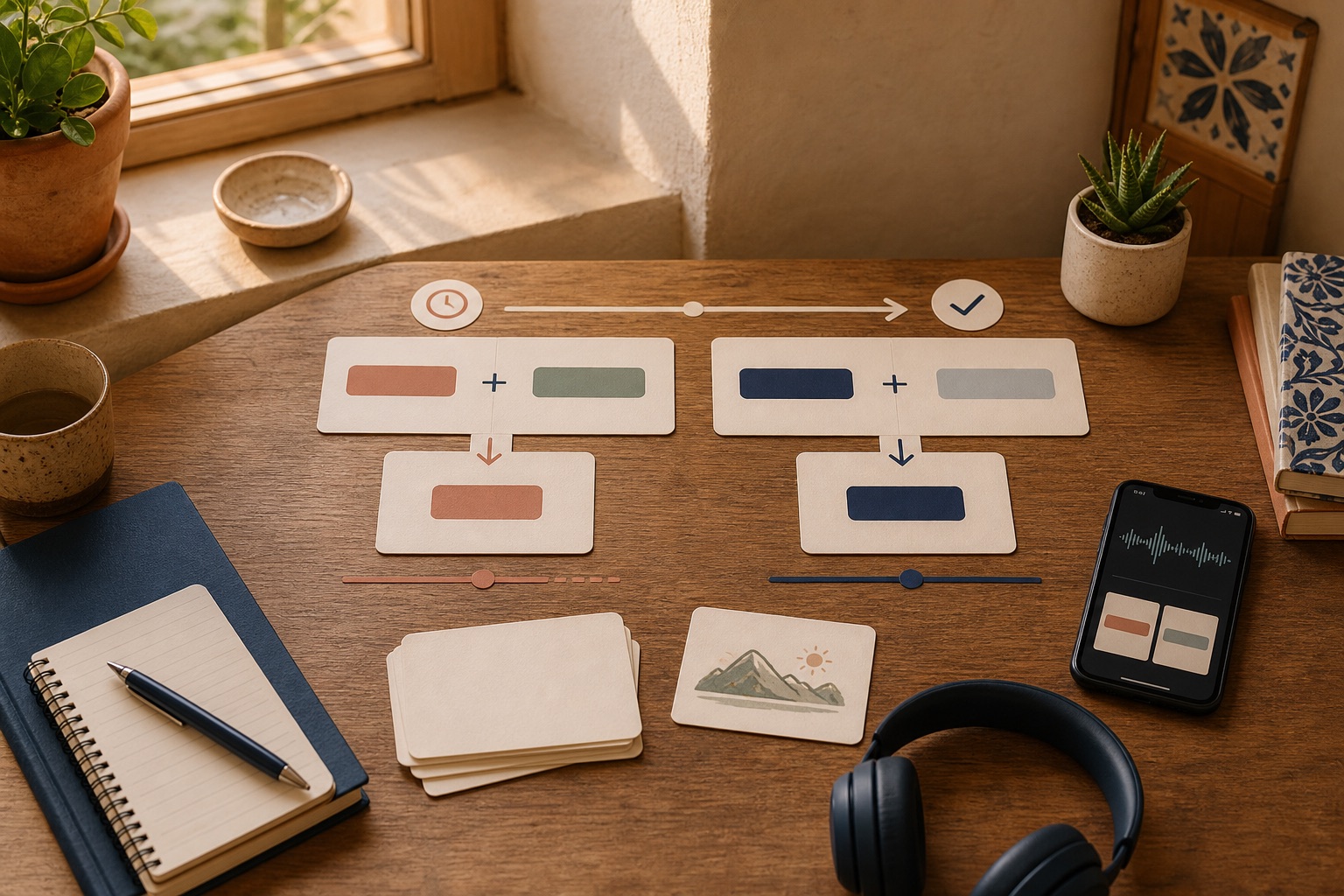
Keep the two past moments inside one complete sentence
Import the 32 fixed examples and practise them with Spanish audio and writing on iOS or Android. The grammar guide remains complete without the app.
Spanish past perfect tense
How do you form the Spanish past perfect?
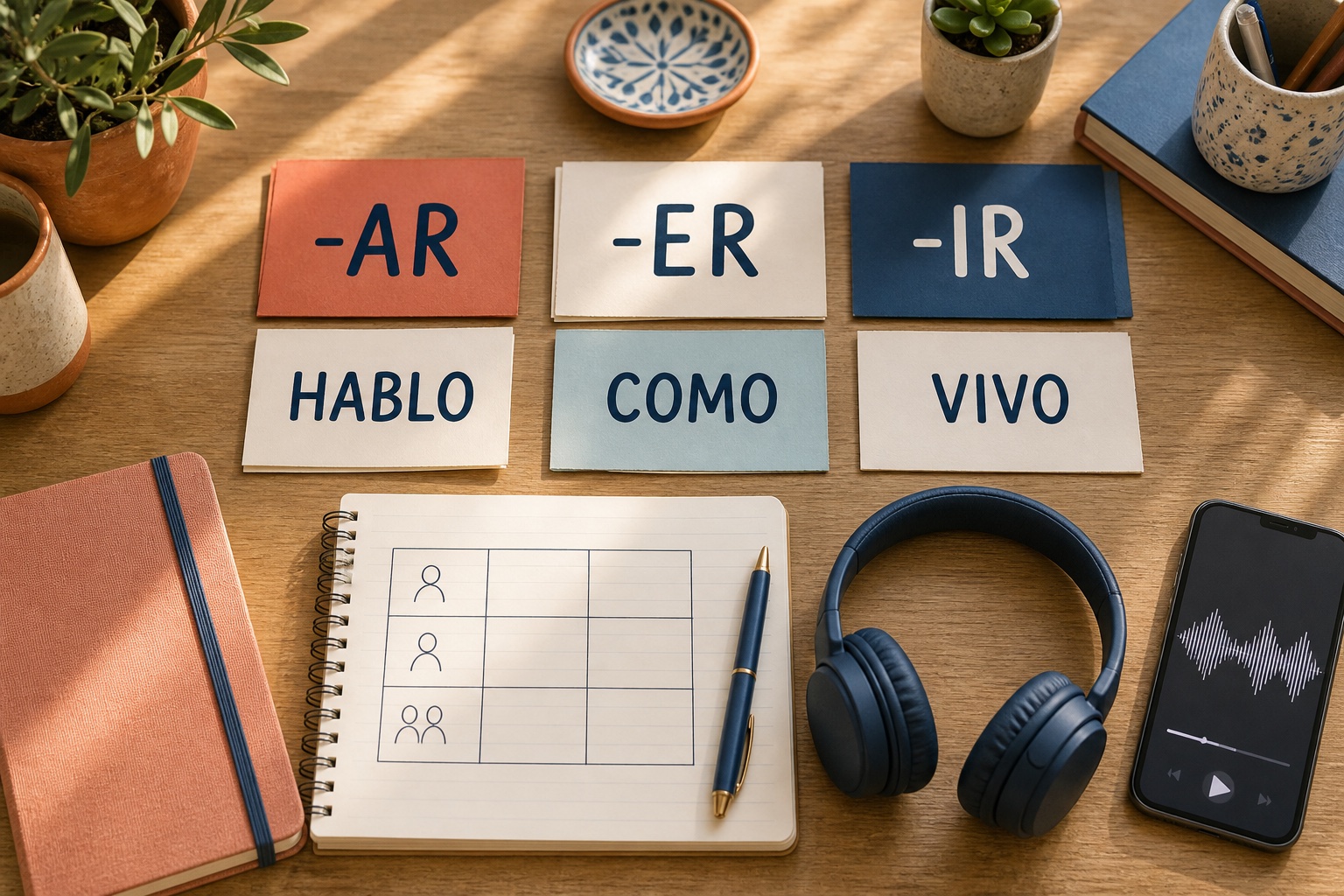
Choose the imperfect form of haber: había, habías, había, habíamos, habíais or habían. Add a past participle. Regular -ar verbs use -ado; regular -er and -ir verbs use -ido: hablar → hablado, comer → comido, vivir → vivido.
The participle does not agree with the subject in this compound tense: ella había escrito and ellos habían escrito. Put no and object or reflexive pronouns before haber: no lo había visto; se había levantado.
The past perfect needs a past reference point, stated or understood. In Cuando llegué, Ana ya había salido, había salido is earlier and llegué is later.
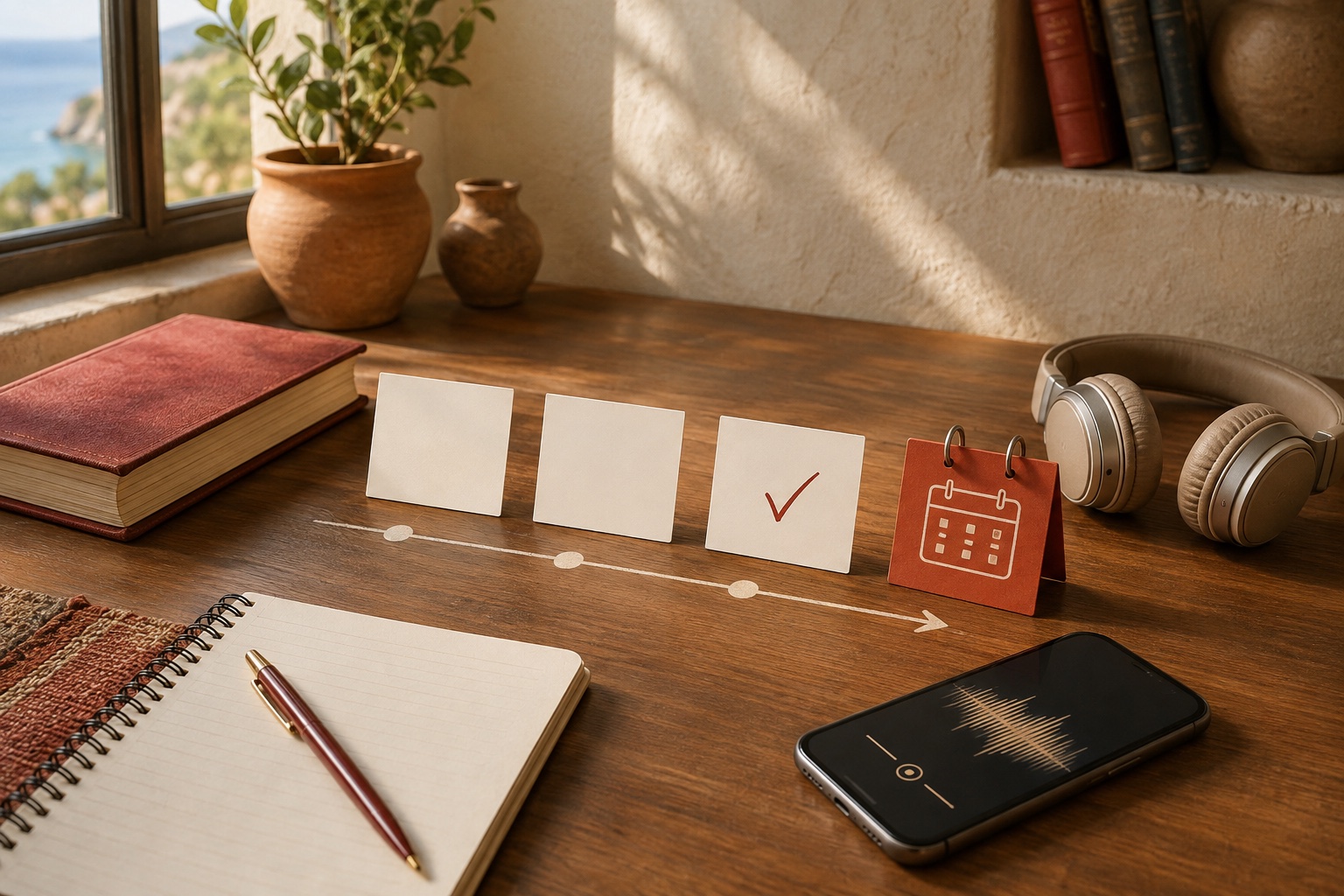
Build the tense in three steps
Identify the earlier action and the later past event or reference point.
Choose había, habías, había, habíamos, habíais or habían for the subject.
Add the regular or irregular participle and keep pronouns before haber.
32 Spanish past-perfect examples
The examples cover all six forms of haber, regular and irregular participles, causes, reported information and contrasts with other past tenses.
| Spanish sentence | Meaning | Example in context | Why this form? |
|---|---|---|---|
| Yo ya había salido cuando llamaste. | I had already left when you called. | Cuando llamaste a las ocho, yo ya había salido de casa. | Use the imperfect of haber plus an unchanged participle. |
| Tú habías terminado antes de las seis. | You had finished before six. | A las seis revisamos el trabajo que tú habías terminado. | Use the imperfect of haber plus an unchanged participle. |
| Ana había estudiado español antes del viaje. | Ana had studied Spanish before the trip. | Durante el viaje, Ana entendía mucho porque había estudiado español. | Use the imperfect of haber plus an unchanged participle. |
| Nosotros habíamos reservado la mesa. | We had booked the table. | Al llegar al restaurante, ya habíamos reservado la mesa. | Use the imperfect of haber plus an unchanged participle. |
| Vosotros habíais llegado antes. | You had arrived earlier. (Spain) | Cuando empezó la visita, vosotros ya habíais llegado. | Use the imperfect of haber plus an unchanged participle. |
| Ellos habían cerrado la tienda. | They had closed the shop. | Fuimos a comprar pan, pero habían cerrado la tienda. | Use the imperfect of haber plus an unchanged participle. |
| Ya había empezado la película. | The film had already started. | Entramos tarde: ya había empezado la película. | Use the imperfect of haber plus an unchanged participle. |
| Nunca habíamos visto tanta nieve. | We had never seen so much snow. | Nos sorprendió la montaña porque nunca habíamos visto tanta nieve. | Use the imperfect of haber plus an unchanged participle. |
| Había abierto la ventana antes de acostarme. | I had opened the window before going to bed. | La habitación estaba fría porque había abierto la ventana. | Retrieve the irregular participle; haber still carries person and number. |
| Habías dicho la verdad desde el principio. | You had told the truth from the start. | Después entendí que habías dicho la verdad desde el principio. | Retrieve the irregular participle; haber still carries person and number. |
| Ella había escrito el correo antes de la reunión. | She had written the email before the meeting. | En la reunión vimos que ella ya había escrito el correo. | Retrieve the irregular participle; haber still carries person and number. |
| Habíamos hecho la tarea antes de cenar. | We had done the homework before dinner. | Pudimos descansar porque habíamos hecho la tarea. | Retrieve the irregular participle; haber still carries person and number. |
| Habíais puesto las llaves aquí. | You had put the keys here. (Spain) | Las encontramos porque habíais puesto las llaves aquí. | Retrieve the irregular participle; haber still carries person and number. |
| Se habían roto dos vasos antes de la fiesta. | Two glasses had broken before the party. | Compramos otros porque se habían roto dos vasos. | Retrieve the irregular participle; haber still carries person and number. |
| Nunca había visto el mar hasta aquel día. | I had never seen the sea until that day. | Me emocioné porque nunca había visto el mar. | Retrieve the irregular participle; haber still carries person and number. |
| El tren había vuelto a la estación. | The train had returned to the station. | Cuando llegamos, el tren ya había vuelto a la estación. | Retrieve the irregular participle; haber still carries person and number. |
| Cuando llegué, ya habían comido. | When I arrived, they had already eaten. | No me esperaron: cuando llegué, ya habían comido. | This event happened before another past action or reference point. |
| No pude entrar porque había perdido la llave. | I could not get in because I had lost the key. | Llamé a mi compañero porque había perdido la llave. | This event happened before another past action or reference point. |
| Estaba cansada porque no había dormido bien. | She was tired because she had not slept well. | Se fue temprano: estaba cansada porque no había dormido bien. | This event happened before another past action or reference point. |
| Antes de mudarse, nunca había vivido sola. | Before moving, she had never lived alone. | El primer mes fue nuevo porque nunca había vivido sola. | This event happened before another past action or reference point. |
| Para entonces, habíamos aprendido la ruta. | By then, we had learned the route. | En el tercer día ya no miramos el mapa: habíamos aprendido la ruta. | This event happened before another past action or reference point. |
| Hasta ese día, no habías probado el mate. | Until that day, you had not tried mate. | Te gustó la bebida, aunque no habías probado el mate antes. | This event happened before another past action or reference point. |
| Ya habíamos hablado cuando cambió el plan. | We had already talked when the plan changed. | Tuvimos que reunirnos otra vez porque ya habíamos hablado cuando cambió el plan. | This event happened before another past action or reference point. |
| Me contó que había enviado el documento. | She told me that she had sent the document. | Por la tarde me contó que había enviado el documento por la mañana. | This event happened before another past action or reference point. |
| Ya había terminado el informe cuando llegó el mensaje. | I had already finished the report when the message arrived. | Terminar fue anterior: ya había terminado el informe cuando llegó el mensaje. | The later past reference makes the past-perfect choice visible. |
| Habíamos visitado Madrid antes de ese viaje. | We had visited Madrid before that trip. | Reconocimos la plaza porque habíamos visitado Madrid antes. | The later past reference makes the past-perfect choice visible. |
| Cuando empezó la reunión, Marta todavía no había llegado. | When the meeting started, Marta had not arrived yet. | Empezó marca el punto posterior; Marta todavía no había llegado. | The later past reference makes the past-perfect choice visible. |
| ¿Habías usado alguna vez esa aplicación antes del curso? | Had you ever used that app before the course? | El profesor preguntó si habías usado la aplicación antes del curso. | The later past reference makes the past-perfect choice visible. |
| No habían terminado cuando se fue la luz. | They had not finished when the power went out. | El trabajo seguía incompleto: no habían terminado cuando se fue la luz. | The later past reference makes the past-perfect choice visible. |
| El profesor explicó que el examen había cambiado. | The teacher explained that the exam had changed. | El cambio ocurrió antes de la explicación: el examen había cambiado. | The later past reference makes the past-perfect choice visible. |
| Antes de 2020, nunca había trabajado desde casa. | Before 2020, I had never worked from home. | La nueva rutina fue difícil porque nunca había trabajado desde casa. | The later past reference makes the past-perfect choice visible. |
| Para el viernes, ya habían entregado todos los proyectos. | By Friday, they had submitted all the projects. | El viernes revisamos todo porque ya habían entregado los proyectos. | The later past reference makes the past-perfect choice visible. |
Learn the past perfect in four blocks
Start with the haber chart, retrieve irregular participles, order two past events, then compare the tense with the preterite and present perfect.
Haber + participle
Practise all six imperfect forms of haber with regular participles.
Yo ya había salido cuando llamaste. · Tú habías terminado antes de las seis. · Ana había estudiado español antes del viaje. · Nosotros habíamos reservado la mesa. · Vosotros habíais llegado antes. · Ellos habían cerrado la tienda. · Ya había empezado la película. · Nunca habíamos visto tanta nieve.
Irregular participles
Keep forms such as abierto, dicho, escrito, hecho, puesto, roto, visto and vuelto.
Había abierto la ventana antes de acostarme. · Habías dicho la verdad desde el principio. · Ella había escrito el correo antes de la reunión. · Habíamos hecho la tarea antes de cenar. · Habíais puesto las llaves aquí. · Se habían roto dos vasos antes de la fiesta. · Nunca había visto el mar hasta aquel día. · El tren había vuelto a la estación.
Past-before-past
Order completed actions, causes and reported information.
Cuando llegué, ya habían comido. · No pude entrar porque había perdido la llave. · Estaba cansada porque no había dormido bien. · Antes de mudarse, nunca había vivido sola. · Para entonces, habíamos aprendido la ruta. · Hasta ese día, no habías probado el mate. · Ya habíamos hablado cuando cambió el plan. · Me contó que había enviado el documento.
Tense contrasts
Compare the earlier event with a later preterite or imperfect reference.
Ya había terminado el informe cuando llegó el mensaje. · Habíamos visitado Madrid antes de ese viaje. · Cuando empezó la reunión, Marta todavía no había llegado. · ¿Habías usado alguna vez esa aplicación antes del curso? · No habían terminado cuando se fue la luz. · El profesor explicó que el examen había cambiado. · Antes de 2020, nunca había trabajado desde casa. · Para el viernes, ya habían entregado todos los proyectos.
When should you use the Spanish past perfect?
Use it for an action completed before another past action: Cuando llegamos, la tienda ya había cerrado.
Use it to explain a past cause or background: Estaba cansada porque no había dormido bien.
Use it in past reporting: Me dijo que había enviado el documento. The tense places the sending before the telling.
Do not use it merely because an action is old. If there is no earlier-versus-later past relationship, the preterite or imperfect may be the natural choice.
Hola Cards is a Spanish flashcard app from holacards.org for iOS and Android. It is free to download, requires no account, works offline for core study, and the free version may show third-party ads while Premium removes them. The interface is available in 29 languages, including English, Russian, Portuguese and German; cards support translations in 29 languages, including English, Russian, Portuguese and German and 18 practice and game modes. You can import these fixed sentences into a custom group and practise them with Spanish audio, writing, pronunciation, and review modes. Hola Cards does not conjugate verbs, identify event order, or correct open sentences automatically, so use this guide to check each example first.
Connect the past perfect with the present perfect, participles, preterite, imperfect and sentence practice.
Present perfect Past participles Preterite endings Imperfect endings Flashcards with example sentences
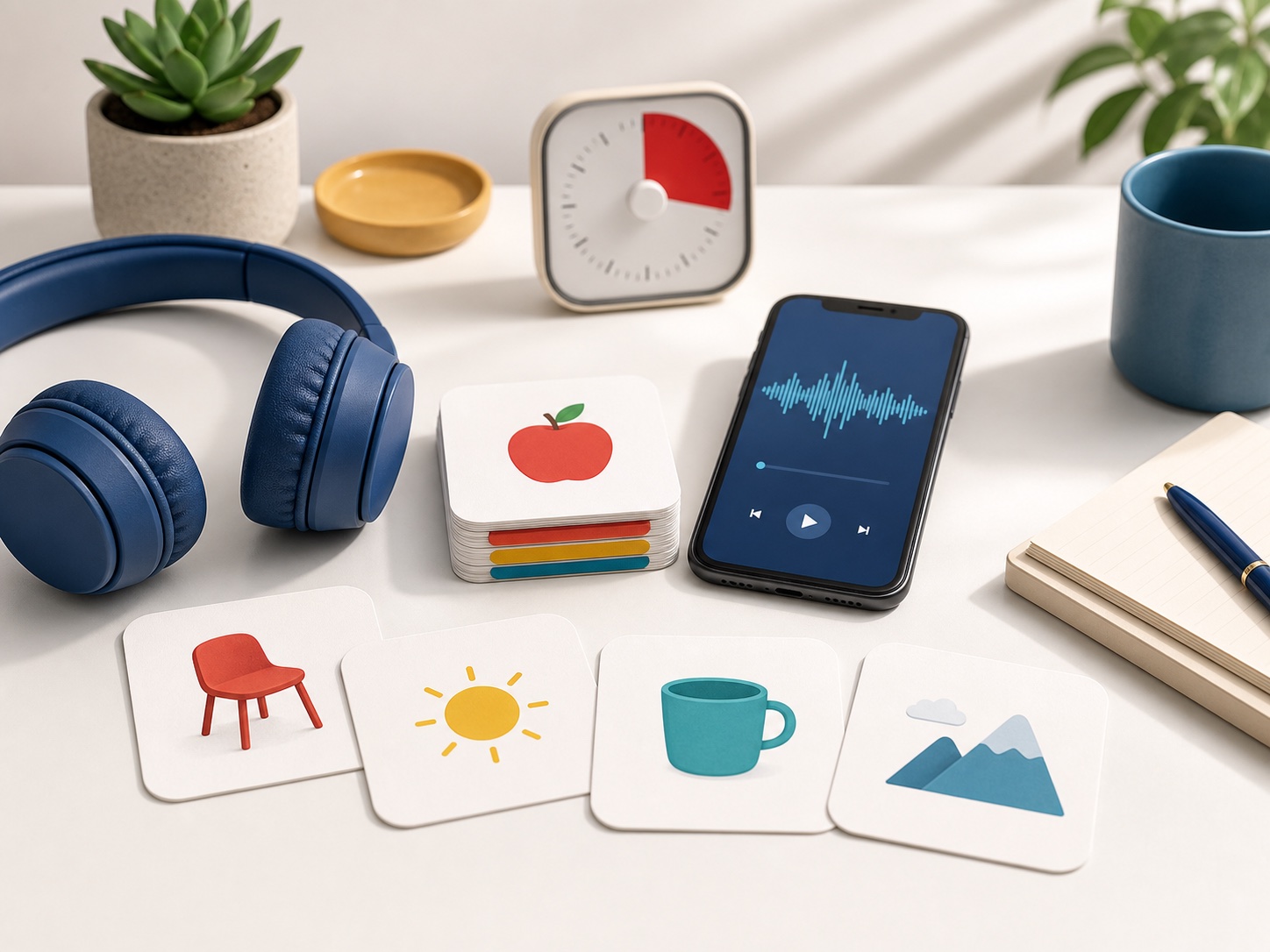
A five-minute past-perfect routine
- Write the six imperfect forms of haber.
- Build three regular participles and four irregular ones.
- Draw two points and place the había event before the preterite event.
- Say one cause sentence and one reported-information sentence.
- Rewrite one sentence with a pronoun before haber, then listen and write it again.
Grammar references
Forms and uses were checked against primary RAE–ASALE and Instituto Cervantes references.
- RAE–ASALE: Spanish conjugation models
- RAE–ASALE grammar tables: indicative compound tenses
- Instituto Cervantes B1–B2 grammar inventory: pretérito pluscuamperfecto
FAQ
How is the Spanish past perfect formed?
Use the imperfect of haber—había, habías, había, habíamos, habíais, habían—plus a past participle.
When do you use the past perfect in Spanish?
Use it for an action already completed before another past action or reference point.
What is the difference between the past perfect and the preterite?
The past perfect marks the earlier of two past moments; the preterite commonly tells the later completed event.
Does the participle agree with the subject?
No. It stays unchanged after haber: ella había escrito and ellos habían escrito.
Where do object and reflexive pronouns go?
Place them before haber: lo había visto and se había levantado.
Does Hola Cards conjugate the past perfect automatically?
No. You can import and practise these fixed sentences; this page explains how to form and choose the tense.
Copy the 32 past-perfect examples into Hola Cards
Open word groups in Hola Cards, choose paste/import, and paste the block. The app recognises the title and “Spanish - translation” lines.
**Spanish past perfect: 32 examples**

Yo ya había salido cuando llamaste. - I had already left when you called.
Tú habías terminado antes de las seis. - You had finished before six.
Ana había estudiado español antes del viaje. - Ana had studied Spanish before the trip.
Nosotros habíamos reservado la mesa. - We had booked the table.
Vosotros habíais llegado antes. - You had arrived earlier. (Spain)
Ellos habían cerrado la tienda. - They had closed the shop.
Ya había empezado la película. - The film had already started.
Nunca habíamos visto tanta nieve. - We had never seen so much snow.
Había abierto la ventana antes de acostarme. - I had opened the window before going to bed.
Habías dicho la verdad desde el principio. - You had told the truth from the start.
Ella había escrito el correo antes de la reunión. - She had written the email before the meeting.
Habíamos hecho la tarea antes de cenar. - We had done the homework before dinner.
Habíais puesto las llaves aquí. - You had put the keys here. (Spain)
Se habían roto dos vasos antes de la fiesta. - Two glasses had broken before the party.
Nunca había visto el mar hasta aquel día. - I had never seen the sea until that day.
El tren había vuelto a la estación. - The train had returned to the station.
Cuando llegué, ya habían comido. - When I arrived, they had already eaten.
No pude entrar porque había perdido la llave. - I could not get in because I had lost the key.
Estaba cansada porque no había dormido bien. - She was tired because she had not slept well.
Antes de mudarse, nunca había vivido sola. - Before moving, she had never lived alone.
Para entonces, habíamos aprendido la ruta. - By then, we had learned the route.
Hasta ese día, no habías probado el mate. - Until that day, you had not tried mate.
Ya habíamos hablado cuando cambió el plan. - We had already talked when the plan changed.
Me contó que había enviado el documento. - She told me that she had sent the document.
Ya había terminado el informe cuando llegó el mensaje. - I had already finished the report when the message arrived.
Habíamos visitado Madrid antes de ese viaje. - We had visited Madrid before that trip.
Cuando empezó la reunión, Marta todavía no había llegado. - When the meeting started, Marta had not arrived yet.
¿Habías usado alguna vez esa aplicación antes del curso? - Had you ever used that app before the course?
No habían terminado cuando se fue la luz. - They had not finished when the power went out.
El profesor explicó que el examen había cambiado. - The teacher explained that the exam had changed.
Antes de 2020, nunca había trabajado desde casa. - Before 2020, I had never worked from home.
Para el viernes, ya habían entregado todos los proyectos. - By Friday, they had submitted all the projects.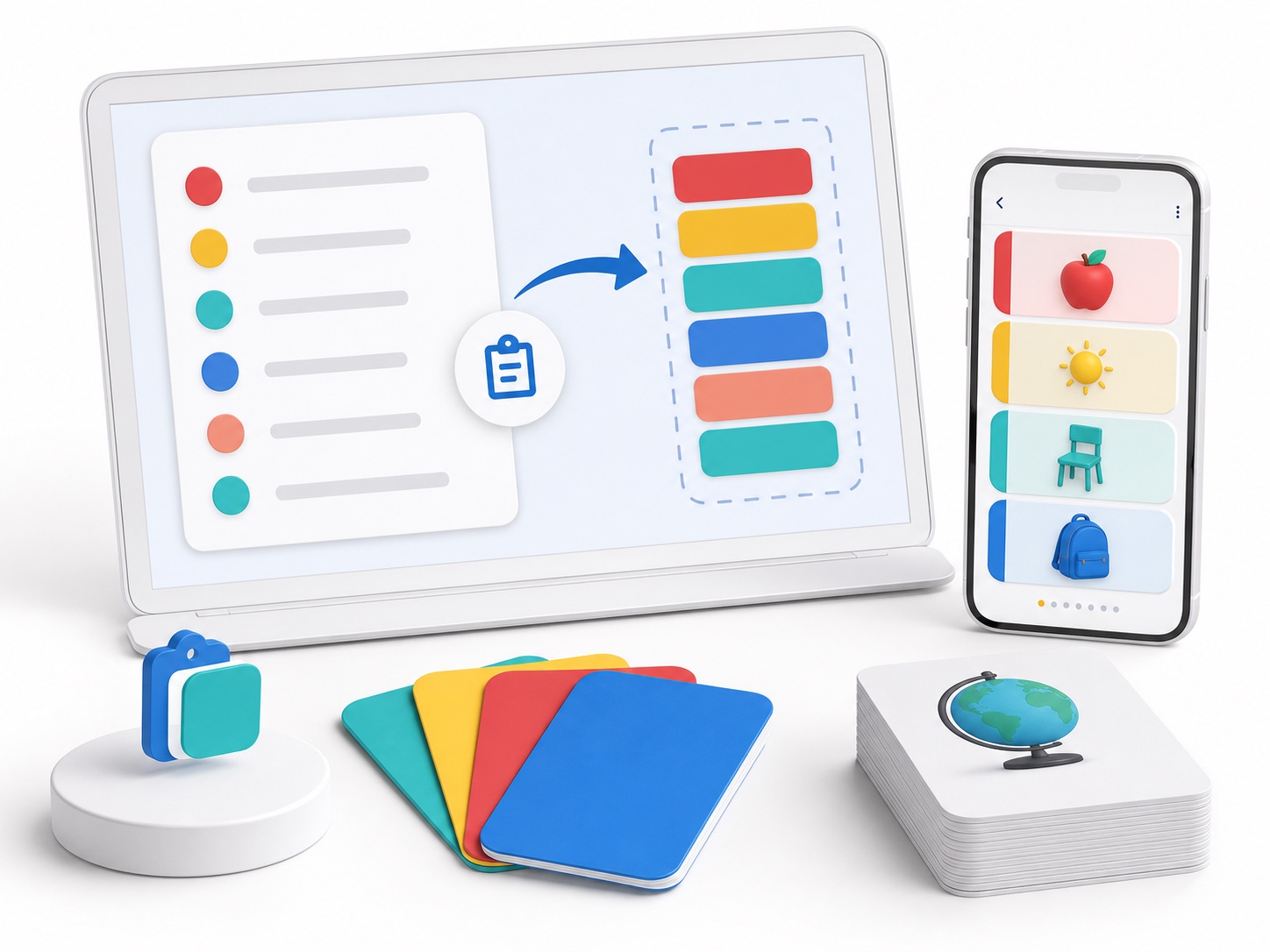
Review Spanish past-perfect sentences in Hola Cards
Practise the 32 fixed examples with Spanish audio, writing, pronunciation, custom groups, and review modes on iOS and Android.