Keep haber, the participle and the time marker together
Import the 32 fixed examples and practise them with Spanish audio and writing on iOS or Android. The grammar guide remains complete without the app.
Spanish future perfect tense
How do you form the Spanish future perfect?
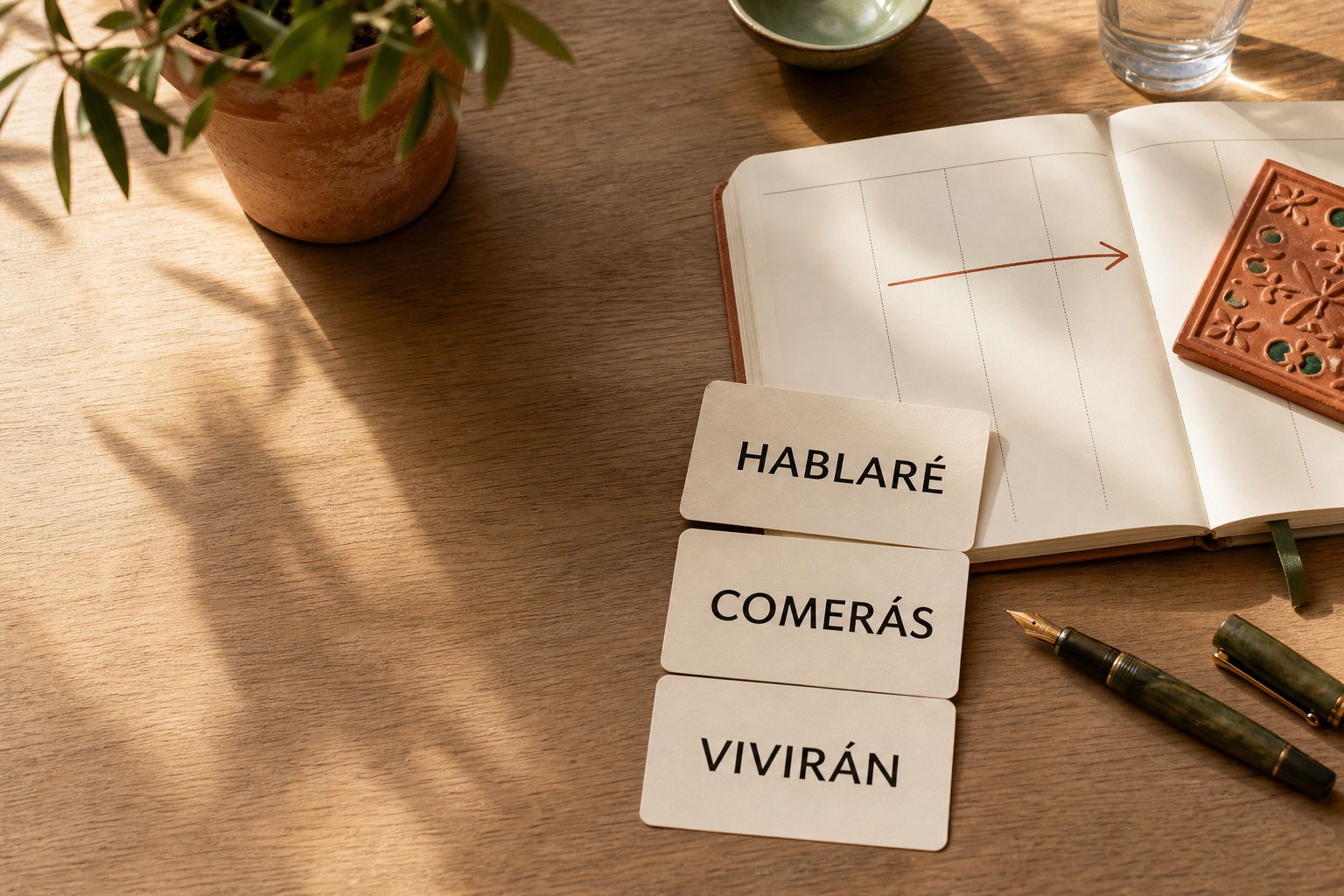
Choose the future form of haber: habré, habrás, habrá, habremos, habréis or habrán. Add a past participle: habré hablado, habrás comido, habrá salido. The participle stays unchanged after haber.
Regular -ar verbs use -ado; regular -er and -ir verbs use -ido. Frequent irregular participles include hecho, dicho, visto, escrito, puesto, vuelto, abierto, roto, muerto and resuelto.
Place no and object or reflexive pronouns before haber: no lo habré terminado; se habrá ido. Time markers such as para, antes de, cuando and dentro de anchor the completed action to a future point.
Build and interpret the tense in three steps
Choose the future reference point or the past event you are guessing about.
Match habré, habrás, habrá, habremos, habréis or habrán to the subject.
Add the participle; then check whether the context means future completion or probability about the past.
32 Spanish future-perfect examples
The examples cover all six forms of haber, regular and irregular participles, future deadlines, sequence and cautious guesses about past events.
| Spanish sentence | Meaning | Example in context | Why this form? |
|---|---|---|---|
| Para mañana, habré terminado el informe. | By tomorrow, I will have finished the report. | Te escribiré cuando lo haya enviado. | Habré agrees with yo. |
| A las ocho, ya habrás cenado. | By eight, you will already have had dinner. | Podemos hablar después de las ocho. | Habrás agrees with tú. |
| En junio, Marta habrá vivido aquí diez años. | In June, Marta will have lived here for ten years. | Junio marca el punto futuro de referencia. | Habrá agrees with él, ella or usted. |
| Para entonces, habremos aprendido cien palabras. | By then, we will have learned one hundred words. | Después empezaremos el siguiente grupo. | Habremos agrees with nosotros. |
| Antes del viaje, habréis practicado todas las frases. | Before the trip, you all will have practised every phrase. | La forma «vosotros» señala a un grupo, sobre todo en España. | Habréis agrees with vosotros, mainly in Spain. |
| A final de mes, habrán completado el curso. | By the end of the month, they will have completed the course. | El plazo afecta a varias personas. | Habrán agrees with ellos or ustedes. |
| Para las seis, ya habré hecho la compra. | By six, I will have done the shopping. | Después podremos cocinar. | Haber uses its future stem habr-; the main verb also has an irregular participle. |
| Cuando llames, Ana habrá dicho la verdad. | When you call, Ana will have told the truth. | La llamada será posterior a la explicación. | Haber uses its future stem habr-; the main verb also has an irregular participle. |
| Para mañana, habremos visto todas las lecciones. | By tomorrow, we will have watched all the lessons. | Mañana revisaremos las notas. | Haber uses its future stem habr-; the main verb also has an irregular participle. |
| Antes de la reunión, habrás escrito el resumen. | Before the meeting, you will have written the summary. | El resumen estará listo primero. | Haber uses its future stem habr-; the main verb also has an irregular participle. |
| Cuando lleguemos, ya habrán puesto la mesa. | By the time we arrive, they will have set the table. | La mesa estará preparada antes de la llegada. | Haber uses its future stem habr-; the main verb also has an irregular participle. |
| Para entonces, el tren habrá vuelto a la estación. | By then, the train will have returned to the station. | La vuelta estará completa en ese punto. | Haber uses its future stem habr-; the main verb also has an irregular participle. |
| A las nueve, habréis abierto las puertas. | By nine, you all will have opened the doors. | Abrir usa el participio irregular abierto. | Haber uses its future stem habr-; the main verb also has an irregular participle. |
| Antes del lunes, habremos resuelto el problema. | Before Monday, we will have solved the problem. | Resolver usa el participio irregular resuelto. | Haber uses its future stem habr-; the main verb also has an irregular participle. |
| Para 2030, la ciudad habrá construido dos líneas nuevas. | By 2030, the city will have built two new lines. | La fecha funciona como plazo futuro. | The action will be complete by the stated future point. |
| Dentro de una hora, habré limpiado la cocina. | Within an hour, I will have cleaned the kitchen. | La tarea estará completa dentro de ese plazo. | The action will be complete by the stated future point. |
| Antes de salir, habrás cargado el teléfono. | Before leaving, you will have charged the phone. | La carga termina antes de la salida. | The future-perfect action finishes before the other future event. |
| Cuando lleguemos, el museo habrá cerrado. | When we arrive, the museum will have closed. | El cierre ocurrirá antes de nuestra llegada. | The future-perfect action finishes before the other future event. |
| Para el viernes, habremos enviado las invitaciones. | By Friday, we will have sent the invitations. | El viernes es el límite de la tarea. | The action will be complete by the stated future point. |
| Antes del examen, habré repasado cada capítulo. | Before the exam, I will have reviewed every chapter. | El repaso estará completo primero. | The future-perfect action finishes before the other future event. |
| Al final del día, habrán vendido todas las entradas. | By the end of the day, they will have sold all the tickets. | El final del día marca el resultado esperado. | The action will be complete by the stated future point. |
| Cuando vuelvas, habremos preparado la cena. | When you return, we will have prepared dinner. | La cena estará lista antes del regreso. | The future-perfect action finishes before the other future event. |
| Para esta época el año que viene, habrás mejorado mucho. | By this time next year, you will have improved a lot. | La comparación tiene un punto futuro claro. | The action will be complete by the stated future point. |
| Antes de que empiece la película, habré comprado las palomitas. | Before the film starts, I will have bought the popcorn. | La compra se completa antes del inicio. | The future-perfect action finishes before the other future event. |
| Ana no contesta; se habrá dormido. | Ana is not answering; she must have fallen asleep. | El silencio sirve de indicio, no de confirmación. | Future perfect expresses a deduction about a completed past event. |
| ¿Qué habrá pasado aquí? | What might have happened here? | La pregunta expresa una conjetura sobre el pasado. | Future perfect expresses a deduction about a completed past event. |
| Habrán perdido el tren. | They must have missed the train. | Su retraso permite una deducción prudente. | Future perfect expresses a deduction about a completed past event. |
| ¿Quién habrá dejado la ventana abierta? | Who might have left the window open? | La ventana abierta provoca una pregunta sobre el pasado. | Future perfect expresses a deduction about a completed past event. |
| El paquete habrá llegado esta mañana. | The package probably arrived this morning. | El hablante aún no lo ha confirmado. | Future perfect expresses a deduction about a completed past event. |
| No encuentro las llaves; las habré dejado en casa. | I cannot find the keys; I must have left them at home. | Las va antes de habré y la frase presenta una deducción. | Future perfect expresses a deduction about a completed past event. |
| ¿Dónde habrá puesto Carlos los documentos? | Where might Carlos have put the documents? | La pregunta formula una conjetura sobre una acción ya terminada. | Future perfect expresses a deduction about a completed past event. |
| Habrá habido un problema con la reserva. | There must have been a problem with the booking. | Habrá habido deduce una causa pasada a partir de la situación actual. | Future perfect expresses a deduction about a completed past event. |
Learn the future perfect in four blocks
Start with the haber chart, retrieve irregular participles, anchor completion to a future point, then distinguish it from a guess about the past.
The six forms of haber
Keep the participle unchanged and match future haber to the subject.
Para mañana, habré terminado el informe. · A las ocho, ya habrás cenado. · En junio, Marta habrá vivido aquí diez años. · Para entonces, habremos aprendido cien palabras. · Antes del viaje, habréis practicado todas las frases. · A final de mes, habrán completado el curso.
Irregular participles
Retrieve the participle after choosing the correct haber form.
Para las seis, ya habré hecho la compra. · Cuando llames, Ana habrá dicho la verdad. · Para mañana, habremos visto todas las lecciones. · Antes de la reunión, habrás escrito el resumen. · Cuando lleguemos, ya habrán puesto la mesa. · Para entonces, el tren habrá vuelto a la estación. · A las nueve, habréis abierto las puertas. · Antes del lunes, habremos resuelto el problema.
Deadlines and future sequence
Anchor the completed action with para, antes de or another future event.
Para 2030, la ciudad habrá construido dos líneas nuevas. · Dentro de una hora, habré limpiado la cocina. · Antes de salir, habrás cargado el teléfono. · Cuando lleguemos, el museo habrá cerrado. · Para el viernes, habremos enviado las invitaciones. · Antes del examen, habré repasado cada capítulo. · Al final del día, habrán vendido todas las entradas. · Cuando vuelvas, habremos preparado la cena. · Para esta época el año que viene, habrás mejorado mucho. · Antes de que empiece la película, habré comprado las palomitas.
Past probability and contrasts
Read context carefully: the same form can make a cautious deduction about the past.
Ana no contesta; se habrá dormido. · ¿Qué habrá pasado aquí? · Habrán perdido el tren. · ¿Quién habrá dejado la ventana abierta? · El paquete habrá llegado esta mañana. · No encuentro las llaves; las habré dejado en casa. · ¿Dónde habrá puesto Carlos los documentos? · Habrá habido un problema con la reserva.
When should you use the Spanish future perfect?
Use it for something expected to be complete by a future deadline: Para mañana, habremos enviado el informe.
Use it for one future event completed before another: Cuando llegues, ya habré preparado la cena. After cuando, Spanish uses the present subjunctive for the pending future event.
Use it to express probability about a completed past event: Ana no contesta; se habrá dormido. This is a deduction, not a confirmed fact.
Do not confuse it with the simple future or conditional perfect: terminaré means “I will finish”; habré terminado means “I will have finished”; habría terminado means “I would have finished.”
Hola Cards is a Spanish flashcard app from holacards.org for iOS and Android. It is free to download, requires no account, and core study works offline; the free version may show third-party ads while Premium removes them. The interface is available in 29 languages, including English, Russian, Portuguese and German; cards support translations in 29 languages, including English, Russian, Portuguese and German and 18 practice and game modes. You can import these fixed sentences into a custom group and practise them with Spanish audio, writing, pronunciation, and review modes. Hola Cards does not conjugate verbs, choose a tense, or correct open sentences automatically, so use this guide to check each example first.
Connect the future perfect with simple future, past participles, present perfect, past perfect and the imperfect subjunctive.
Simple future Past participles Present perfect Past perfect Imperfect subjunctive
A five-minute future-perfect routine
- Write the six future forms of haber.
- Build three regular and five irregular participles.
- Add para or antes de to four future-deadline sentences.
- Pair one completed future action with a cuando clause.
- Turn two clues into cautious past deductions, then listen and write the full sentences.
Grammar references
Forms and uses were checked against primary RAE–ASALE and Instituto Cervantes references.
- RAE–ASALE: Spanish conjugation models
- RAE–ASALE grammar tables: indicative compound tenses
- Instituto Cervantes B1–B2 grammar inventory: futuro perfecto
FAQ
How is the Spanish future perfect formed?
Use habré, habrás, habrá, habremos, habréis or habrán plus a past participle.
When do you use the future perfect in Spanish?
Use it for an action completed before a future point and for a reasoned guess about a completed past event.
Does the participle agree with the subject?
No. It stays unchanged after haber: ella habrá llegado and ellos habrán llegado.
What does ¿Qué habrá pasado? mean?
It asks “What might have happened?” and presents a deduction about the past.
What is the difference between terminaré and habré terminado?
Terminaré is simple future; habré terminado presents the action as already complete by a future point.
Does Hola Cards conjugate the future perfect automatically?
No. You can import and practise these fixed examples; this page explains how to form and choose the tense.
Copy the 32 future-perfect examples into Hola Cards
Open word groups in Hola Cards, choose paste/import, and paste the block. The app recognises the title and “Spanish - translation” lines.
**Spanish future perfect: 32 examples**

Para mañana, habré terminado el informe. - By tomorrow, I will have finished the report.
A las ocho, ya habrás cenado. - By eight, you will already have had dinner.
En junio, Marta habrá vivido aquí diez años. - In June, Marta will have lived here for ten years.
Para entonces, habremos aprendido cien palabras. - By then, we will have learned one hundred words.
Antes del viaje, habréis practicado todas las frases. - Before the trip, you all will have practised every phrase.
A final de mes, habrán completado el curso. - By the end of the month, they will have completed the course.
Para las seis, ya habré hecho la compra. - By six, I will have done the shopping.
Cuando llames, Ana habrá dicho la verdad. - When you call, Ana will have told the truth.
Para mañana, habremos visto todas las lecciones. - By tomorrow, we will have watched all the lessons.
Antes de la reunión, habrás escrito el resumen. - Before the meeting, you will have written the summary.
Cuando lleguemos, ya habrán puesto la mesa. - By the time we arrive, they will have set the table.
Para entonces, el tren habrá vuelto a la estación. - By then, the train will have returned to the station.
A las nueve, habréis abierto las puertas. - By nine, you all will have opened the doors.
Antes del lunes, habremos resuelto el problema. - Before Monday, we will have solved the problem.
Para 2030, la ciudad habrá construido dos líneas nuevas. - By 2030, the city will have built two new lines.
Dentro de una hora, habré limpiado la cocina. - Within an hour, I will have cleaned the kitchen.
Antes de salir, habrás cargado el teléfono. - Before leaving, you will have charged the phone.
Cuando lleguemos, el museo habrá cerrado. - When we arrive, the museum will have closed.
Para el viernes, habremos enviado las invitaciones. - By Friday, we will have sent the invitations.
Antes del examen, habré repasado cada capítulo. - Before the exam, I will have reviewed every chapter.
Al final del día, habrán vendido todas las entradas. - By the end of the day, they will have sold all the tickets.
Cuando vuelvas, habremos preparado la cena. - When you return, we will have prepared dinner.
Para esta época el año que viene, habrás mejorado mucho. - By this time next year, you will have improved a lot.
Antes de que empiece la película, habré comprado las palomitas. - Before the film starts, I will have bought the popcorn.
Ana no contesta; se habrá dormido. - Ana is not answering; she must have fallen asleep.
¿Qué habrá pasado aquí? - What might have happened here?
Habrán perdido el tren. - They must have missed the train.
¿Quién habrá dejado la ventana abierta? - Who might have left the window open?
El paquete habrá llegado esta mañana. - The package probably arrived this morning.
No encuentro las llaves; las habré dejado en casa. - I cannot find the keys; I must have left them at home.
¿Dónde habrá puesto Carlos los documentos? - Where might Carlos have put the documents?
Habrá habido un problema con la reserva. - There must have been a problem with the booking.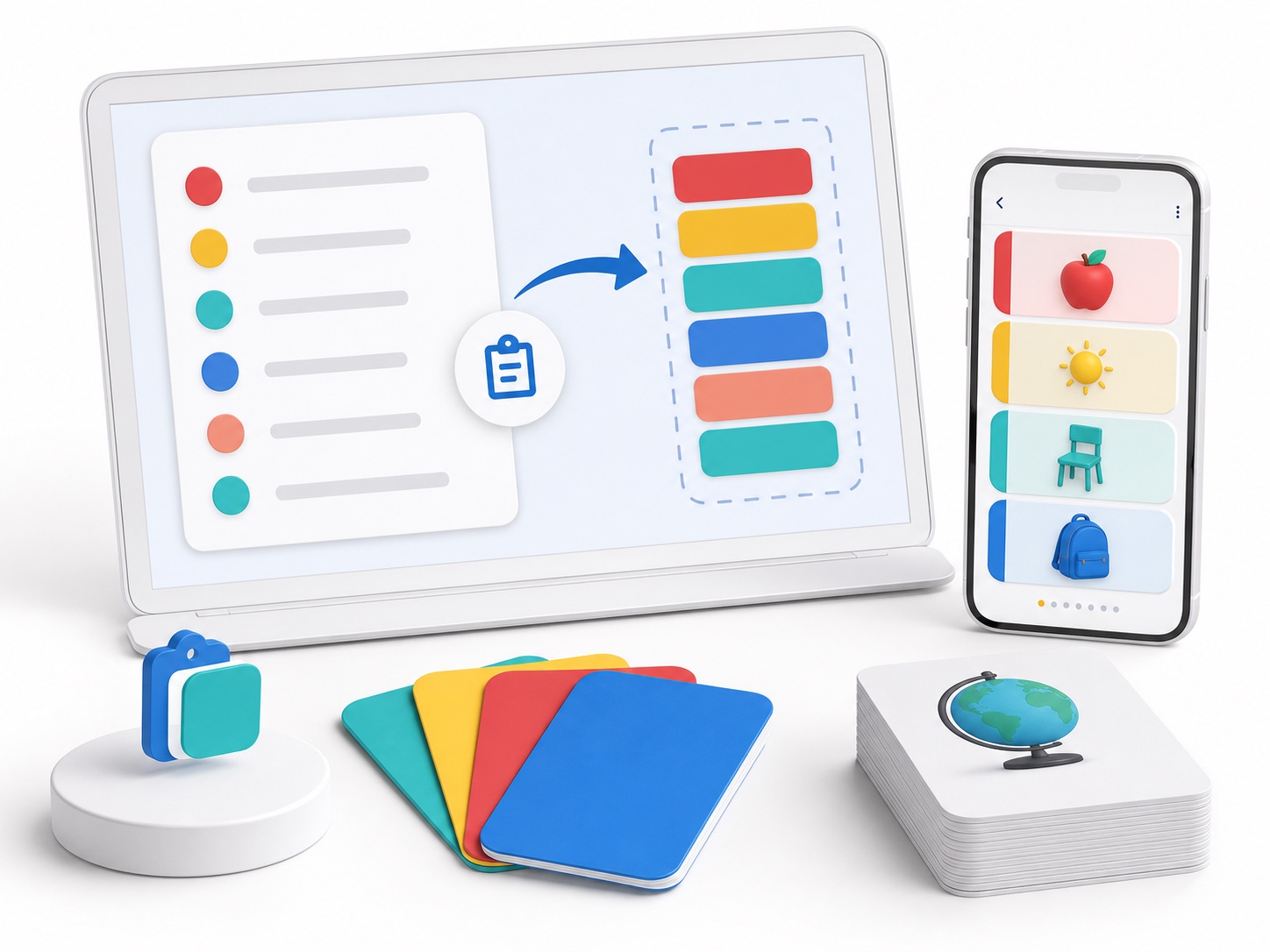
Review Spanish future-perfect sentences in Hola Cards
Practise the 32 fixed examples with Spanish audio, writing, pronunciation, custom groups, and review modes on iOS and Android.