Practise the veterinary visit in one group
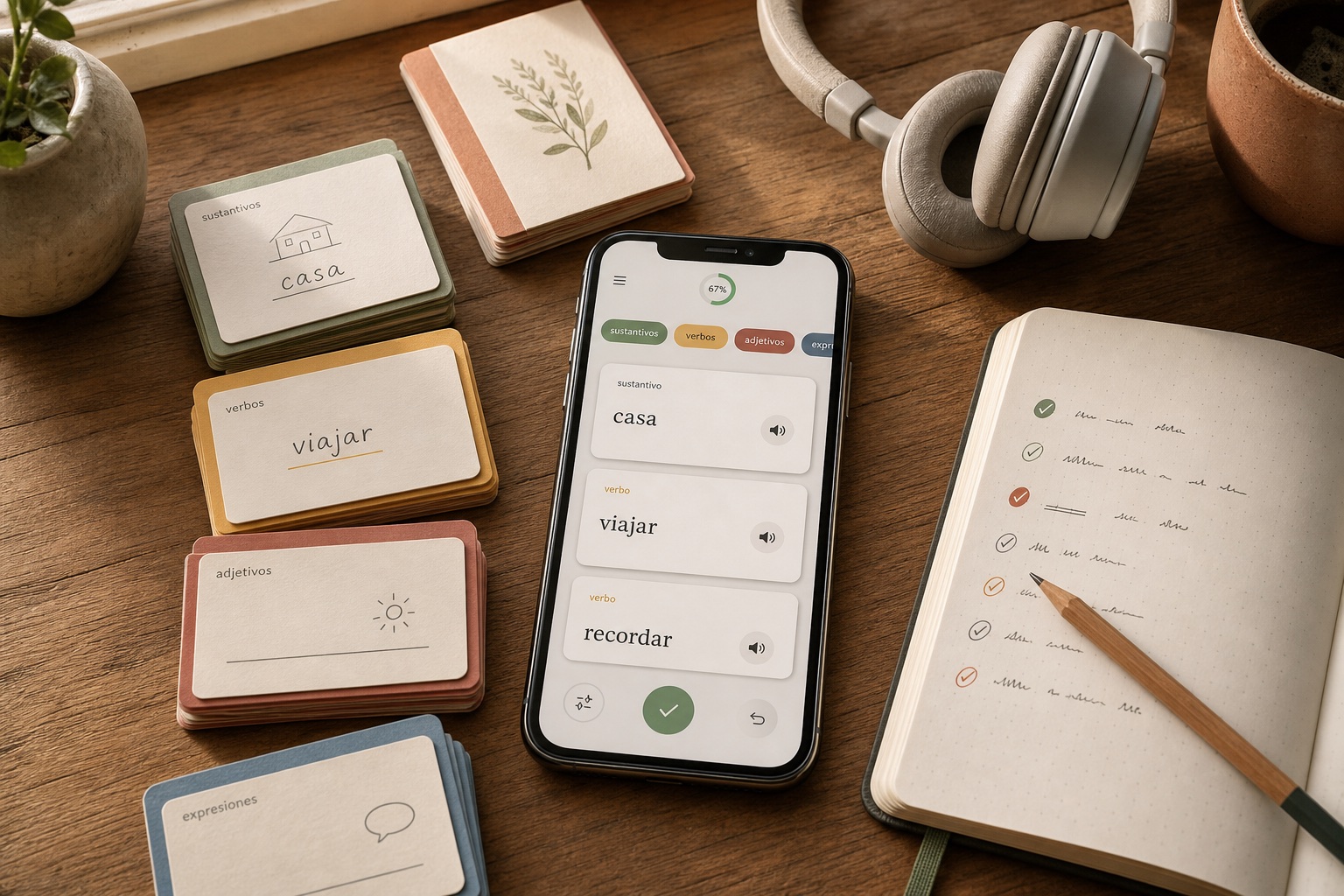
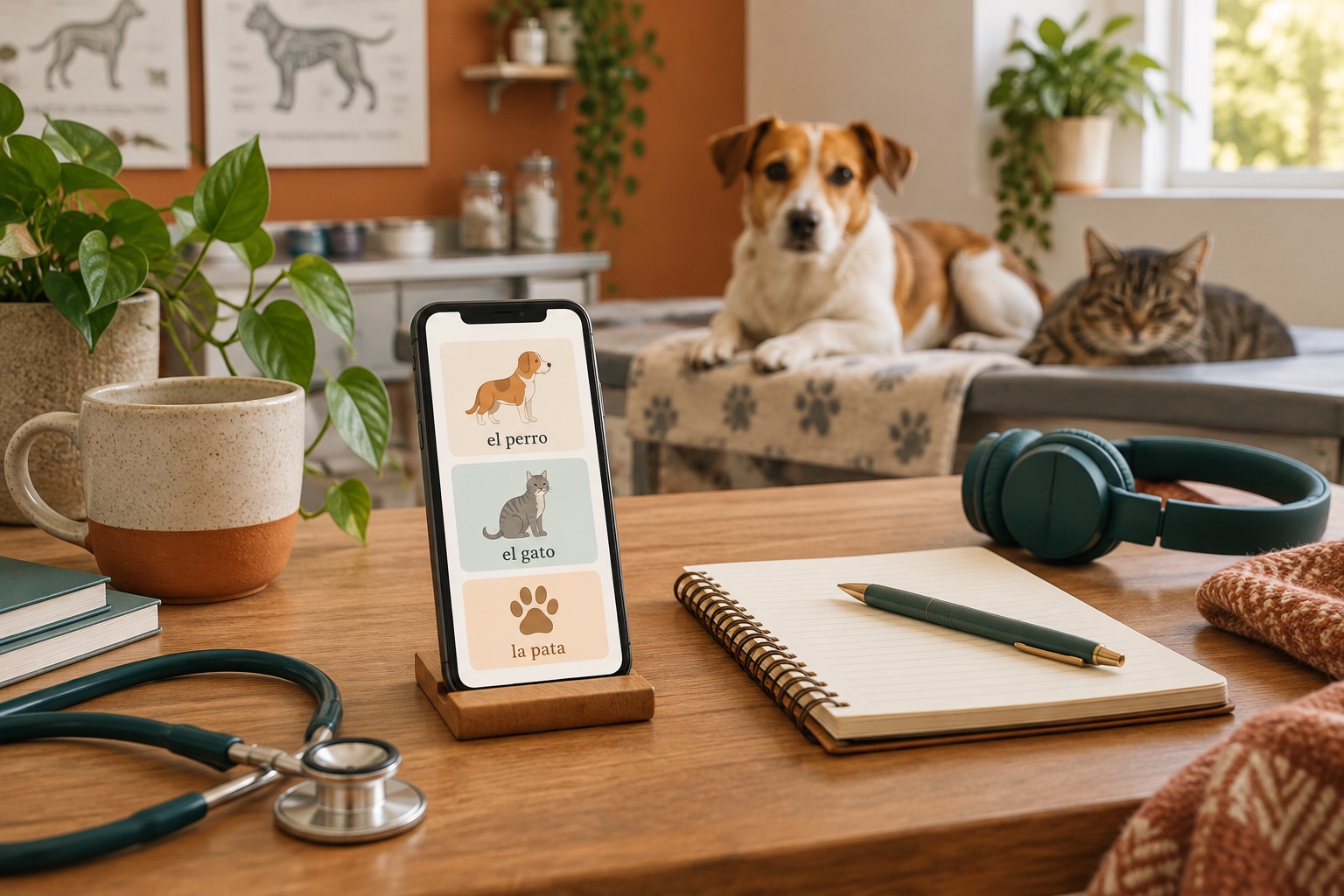
Import all 36 fixed phrases and rehearse them with Spanish audio and writing on iOS or Android. The complete guide remains useful without the app.
Spanish veterinary appointment phrases
How do I talk to a veterinarian in Spanish?
Start with the pet, the main symptom and when it began. Clear short sentences help the clinic understand what needs attention.
Share useful context such as appetite, water, weight, vaccinations, medicines and known allergies. Do not guess a diagnosis; describe what you observe.
Before leaving, repeat the treatment, dosage instructions and return date in your own words, and ask for written instructions when needed.
Three patterns for a clear visit
Quisiera + infinitive makes a polite booking request: Quisiera pedir cita.
Tiene + noun describes a symptom or condition: Tiene diarrea.
¿Puede + infinitive? checks the next step: ¿Puede explicarme el diagnóstico?
24 Spanish veterinary appointment phrases
Move from booking and symptoms to questions, treatment and a safe close.
| Spanish phrase | Meaning | Example in context | When to use it |
|---|---|---|---|
| Quisiera pedir cita para mi perro. | I would like to book an appointment for my dog. | Practise this phrase before the visit. | Use this fixed phrase for language practice, then follow the veterinarian’s instructions. |
| ¿Hay una cita disponible hoy? | Is there an appointment available today? | Practise this phrase before the visit. | Use this fixed phrase for language practice, then follow the veterinarian’s instructions. |
| Es la primera vez que venimos. | It is our first visit. | Practise this phrase before the visit. | Use this fixed phrase for language practice, then follow the veterinarian’s instructions. |
| Mi gato no quiere comer. | My cat does not want to eat. | Practise this phrase before the visit. | Use this fixed phrase for language practice, then follow the veterinarian’s instructions. |
| Está vomitando y tiene diarrea. | It is vomiting and has diarrhoea. | Practise this phrase before the visit. | Use this fixed phrase for language practice, then follow the veterinarian’s instructions. |
| Está muy cansado y no se mueve mucho. | It is very tired and does not move much. | Practise this phrase before the visit. | Use this fixed phrase for language practice, then follow the veterinarian’s instructions. |
| Le cuesta respirar. | It is having trouble breathing. | Practise this phrase before the visit. | Use this fixed phrase for language practice, then follow the veterinarian’s instructions. |
| Los síntomas empezaron ayer. | The symptoms started yesterday. | Practise this phrase before the visit. | Use this fixed phrase for language practice, then follow the veterinarian’s instructions. |
| Ha bebido menos agua de lo normal. | It has drunk less water than usual. | Practise this phrase before the visit. | Use this fixed phrase for language practice, then follow the veterinarian’s instructions. |
| Tiene las vacunas al día. | Its vaccinations are up to date. | Practise this phrase before the visit. | Use this fixed phrase for language practice, then follow the veterinarian’s instructions. |
| Pesa aproximadamente cinco kilos. | It weighs approximately five kilos. | Practise this phrase before the visit. | Use this fixed phrase for language practice, then follow the veterinarian’s instructions. |
| Está tomando este medicamento. | It is taking this medication. | Practise this phrase before the visit. | Use this fixed phrase for language practice, then follow the veterinarian’s instructions. |
| No tiene alergias conocidas. | It has no known allergies. | Practise this phrase before the visit. | Use this fixed phrase for language practice, then follow the veterinarian’s instructions. |
| ¿Puede revisar su historial? | Can you check its medical history? | Practise this phrase before the visit. | Use this fixed phrase for language practice, then follow the veterinarian’s instructions. |
| ¿Qué puede estar causando estos síntomas? | What could be causing these symptoms? | Practise this phrase before the visit. | Use this fixed phrase for language practice, then follow the veterinarian’s instructions. |
| ¿Necesita hacerle alguna prueba? | Does it need any tests? | Practise this phrase before the visit. | Use this fixed phrase for language practice, then follow the veterinarian’s instructions. |
| ¿Puede explicarme el diagnóstico? | Can you explain the diagnosis to me? | Practise this phrase before the visit. | Use this fixed phrase for language practice, then follow the veterinarian’s instructions. |
| ¿Qué tratamiento recomienda? | What treatment do you recommend? | Practise this phrase before the visit. | Use this fixed phrase for language practice, then follow the veterinarian’s instructions. |
| ¿Cómo debo darle este medicamento? | How should I give it this medicine? | Practise this phrase before the visit. | Use this fixed phrase for language practice, then follow the veterinarian’s instructions. |
| ¿Cuándo debería volver? | When should I come back? | Practise this phrase before the visit. | Use this fixed phrase for language practice, then follow the veterinarian’s instructions. |
| ¿Hay algo que no deba hacer? | Is there anything I should not do? | Practise this phrase before the visit. | Use this fixed phrase for language practice, then follow the veterinarian’s instructions. |
| ¿Cuánto cuesta la consulta? | How much does the appointment cost? | Practise this phrase before the visit. | Use this fixed phrase for language practice, then follow the veterinarian’s instructions. |
| ¿Puedo pagar con tarjeta? | Can I pay by card? | Practise this phrase before the visit. | Use this fixed phrase for language practice, then follow the veterinarian’s instructions. |
| ¿Puede darme las instrucciones por escrito? | Can you give me the instructions in writing? | Practise this phrase before the visit. | Use this fixed phrase for language practice, then follow the veterinarian’s instructions. |
Move through the visit in eight stages
Each group handles one practical task: booking, symptoms, details, history, questions, treatment, safety and payment.
Book the visit
Arrange the appointment.
Quisiera pedir cita para mi perro. · ¿Hay una cita disponible hoy? · Es la primera vez que venimos.
Describe the problem
Say what your pet is doing.
Mi gato no quiere comer. · Está vomitando y tiene diarrea. · Está muy cansado y no se mueve mucho. · Le cuesta respirar.
Give details
Mention timing, water and weight.
Los síntomas empezaron ayer. · Ha bebido menos agua de lo normal. · Tiene las vacunas al día. · Pesa aproximadamente cinco kilos.
Share history
Mention medicines, allergies and vaccines.
Está tomando este medicamento. · No tiene alergias conocidas. · ¿Puede revisar su historial?
Ask clearly
Request tests and an explanation.
¿Qué puede estar causando estos síntomas? · ¿Necesita hacerle alguna prueba? · ¿Puede explicarme el diagnóstico?
Understand treatment
Ask how to give medicine and when to return.
¿Qué tratamiento recomienda? · ¿Cómo debo darle este medicamento? · ¿Cuándo debería volver?
Keep care safe
Check what to do and avoid.
¿Hay algo que no deba hacer?
Close the visit
Ask about cost and written instructions.
¿Cuánto cuesta la consulta? · ¿Puedo pagar con tarjeta? · ¿Puede darme las instrucciones por escrito?
A short veterinary conversation
A: Quisiera pedir cita para mi perro. — B: ¿Hay una cita disponible hoy?
A: Mi gato no quiere comer. Los síntomas empezaron ayer. — B: ¿Está tomando algún medicamento?
A: ¿Qué tratamiento recomienda? ¿Puede darme las instrucciones por escrito? — B: Sí, claro.
Connect veterinary Spanish with body, pharmacy and emergency vocabulary guides.
Spanish pharmacy phrases Spanish emergency phrases Body parts in Spanish

A five-minute veterinary visit routine
- Choose one phrase for each stage.
- Read the short conversation aloud.
- Cover the translation and recall the Spanish.
- Practise the owner and clinic roles.
- Repeat the treatment and return instructions from memory.
Language and task references
The call structure and regional opening formulas were checked against Instituto Cervantes and RAE–ASALE resources.
FAQ
How do I book a vet appointment?
Say Quisiera pedir cita para mi perro.
How do I describe symptoms?
Use Mi gato no quiere comer or Le cuesta respirar.
How do I ask about treatment?
Say ¿Qué tratamiento recomienda?
Should I mention medicines and vaccinations?
Yes. Tell the veterinarian important details; this article is not veterinary advice.
How do I ask about cost?
Say ¿Cuánto cuesta la consulta?
Is this veterinary advice?
No. It is language practice, not diagnosis or treatment.
Copy the 24 veterinary phrases
Paste these 24 fixed phrases into a custom Hola Cards group for focused review.
**Spanish veterinary appointment phrases: 24 phrases**

Quisiera pedir cita para mi perro. - I would like to book an appointment for my dog.
¿Hay una cita disponible hoy? - Is there an appointment available today?
Es la primera vez que venimos. - It is our first visit.
Mi gato no quiere comer. - My cat does not want to eat.
Está vomitando y tiene diarrea. - It is vomiting and has diarrhoea.
Está muy cansado y no se mueve mucho. - It is very tired and does not move much.
Le cuesta respirar. - It is having trouble breathing.
Los síntomas empezaron ayer. - The symptoms started yesterday.
Ha bebido menos agua de lo normal. - It has drunk less water than usual.
Tiene las vacunas al día. - Its vaccinations are up to date.
Pesa aproximadamente cinco kilos. - It weighs approximately five kilos.
Está tomando este medicamento. - It is taking this medication.
No tiene alergias conocidas. - It has no known allergies.
¿Puede revisar su historial? - Can you check its medical history?
¿Qué puede estar causando estos síntomas? - What could be causing these symptoms?
¿Necesita hacerle alguna prueba? - Does it need any tests?
¿Puede explicarme el diagnóstico? - Can you explain the diagnosis to me?
¿Qué tratamiento recomienda? - What treatment do you recommend?
¿Cómo debo darle este medicamento? - How should I give it this medicine?
¿Cuándo debería volver? - When should I come back?
¿Hay algo que no deba hacer? - Is there anything I should not do?
¿Cuánto cuesta la consulta? - How much does the appointment cost?
¿Puedo pagar con tarjeta? - Can I pay by card?
¿Puede darme las instrucciones por escrito? - Can you give me the instructions in writing?
Review veterinary Spanish in Hola Cards
Review the 36 fixed phrases with Spanish audio, writing, pronunciation, custom groups and review modes on iOS and Android.