tomar vs beber in Spanish
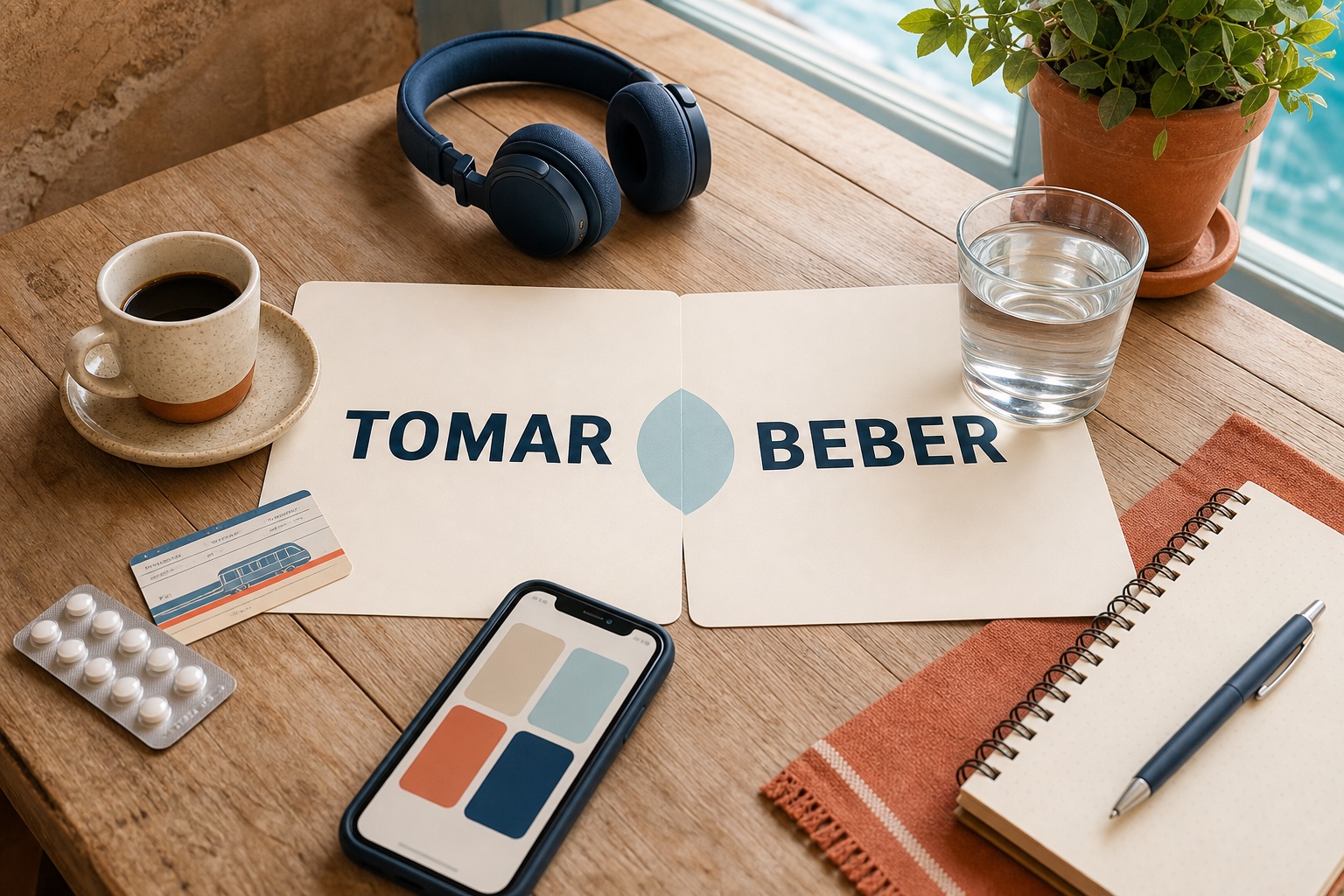
What is the difference between tomar and beber?
Beber means to drink or consume a liquid: beber agua, beber café, no beber alcohol. Tomar can also mean to drink, especially in everyday phrases such as tomar un café or ¿quieres tomar algo?
Tomar has many meanings that beber does not have: tomar una medicina, tomar el tren, tomar una foto, tomar nota, tomar una decisión. Usage with drinks varies by region and situation, so learn complete phrases instead of forcing one English translation onto every example.
The quickest liquid-or-broader-action rule
Choose beber when you want to name the physical act of drinking a liquid clearly. Choose tomar when you mean “have a drink” in conversation or when the phrase uses the broader idea of taking, choosing, or using something.
With water, coffee, tea, juice, and alcohol, both verbs are often possible: beber agua and tomar agua. Frequency changes across countries and contexts. Neither verb is automatically wrong; the surrounding phrase tells you which one sounds most natural.
40 examples with tomar and beber in Spanish
Each row gives a complete Spanish sentence, a natural translation, the verb’s job, and one short usage cue.
| Spanish | Translation | Verb job | Mini-note |
|---|---|---|---|
| Tomo café por la mañana. | I drink coffee in the morning. | Drinks: both verbs can work | The sentence describes a regular drinking habit. |
| ¿Quieres tomar algo? | Would you like something to drink? | Drinks: both verbs can work | Tomar is natural when offering someone something to eat or drink. |
| Bebemos agua con la comida. | We drink water with the meal. | Drinks: both verbs can work | The liquid accompanies a meal or routine. |
| Ella bebe té sin azúcar. | She drinks tea without sugar. | Drinks: both verbs can work | Beber names the physical act of drinking directly. |
| Voy a tomar un zumo. | I am going to have a juice. | Drinks: both verbs can work | Tomar presents a drink as a choice or order. |
| ¿Qué estás tomando? | What are you drinking? | Drinks: both verbs can work | A common café or restaurant question uses tomar. |
| El niño bebe leche antes de dormir. | The child drinks milk before bed. | Drinks: both verbs can work | The sentence describes a regular drinking habit. |
| Tomamos una cerveza en la terraza. | We have a beer on the terrace. | Drinks: both verbs can work | Tomar often frames a shared drink as a social activity. |
| No bebo bebidas energéticas. | I do not drink energy drinks. | Drinks: both verbs can work | Negation describes a drink someone avoids. |
| Toma un poco de agua. | Have some water. | Drinks: both verbs can work | A short command tells someone to have a drink. |
| Tengo que tomar esta medicina. | I have to take this medicine. | Tomar: broader “take” meanings | Tomar means to take medicine, not to drink it. |
| Tomo el autobús a las ocho. | I take the bus at eight. | Tomar: broader “take” meanings | Tomar means to take or use transport. |
| Vamos a tomar un taxi. | We are going to take a taxi. | Tomar: broader “take” meanings | Tomar means to take or use transport. |
| Tome asiento, por favor. | Please take a seat. | Tomar: broader “take” meanings | Tomar asiento is a fixed polite invitation to sit down. |
| Tomé una foto del mercado. | I took a photo of the market. | Tomar: broader “take” meanings | Tomar una foto means to take a photo. |
| Toma nota de la dirección. | Write down the address. | Tomar: broader “take” meanings | Tomar nota is the fixed phrase for making a note. |
| Tenemos que tomar una decisión. | We have to make a decision. | Tomar: broader “take” meanings | Tomar una decisión means to make a decision. |
| Salimos a tomar el aire. | We go out for some fresh air. | Tomar: broader “take” meanings | A fixed expression extends tomar beyond drinks. |
| Quiero tomar el sol. | I want to get some sun. | Tomar: broader “take” meanings | A fixed expression extends tomar beyond drinks. |
| Me voy a tomar un descanso. | I am going to take a break. | Tomar: broader “take” meanings | A fixed expression extends tomar beyond drinks. |
| Debes beber despacio. | You should drink slowly. | Beber: the act of drinking | An adverb describes how the liquid is consumed. |
| Bebe suficiente agua durante el día. | Drink enough water during the day. | Beber: the act of drinking | Beber is explicit when the focus is liquid intake. |
| El gato bebe de su cuenco. | The cat drinks from its bowl. | Beber: the act of drinking | Beber also describes an animal consuming liquid. |
| ¿Puedo beber agua del grifo? | Can I drink tap water? | Beber: the act of drinking | The question asks whether a liquid is safe or permitted. |
| Ella no bebe alcohol. | She does not drink alcohol. | Beber: the act of drinking | Beber directly refers to alcohol consumption. |
| Bebí demasiado café ayer. | I drank too much coffee yesterday. | Beber: the act of drinking | The phrase highlights how much liquid was consumed. |
| Se prohíbe beber aquí. | Drinking is prohibited here. | Beber: the act of drinking | An impersonal construction expresses a prohibition on drinking. |
| El bebé ya bebe de un vaso. | The baby already drinks from a cup. | Beber: the act of drinking | Beber describes a learned way of consuming liquid. |
| Bébete el zumo antes de salir. | Drink up the juice before leaving. | Beber: the act of drinking | The whole drink or portion is completed. |
| Bebieron toda la botella de agua. | They drank the whole bottle of water. | Beber: the act of drinking | The whole drink or portion is completed. |
| Puedes decir tomar agua o beber agua; las dos frases son correctas. | You can say tomar agua or beber agua; both phrases are correct. | Direct contrasts and regional choice | Both verbs can describe consuming this drink. |
| Tomar es más amplio; beber se centra en los líquidos. | Tomar is broader; beber focuses on liquids. | Direct contrasts and regional choice | Tomar has meanings that beber cannot replace. |
| Voy a tomar café, pero no quiero beber alcohol. | I am going to have coffee, but I do not want to drink alcohol. | Direct contrasts and regional choice | The sentence places the two meanings side by side. |
| Ella toma una pastilla y bebe agua. | She takes a pill and drinks water. | Direct contrasts and regional choice | Tomar and beber perform different jobs in one scene. |
| Tomamos el tren y bebimos café en la estación. | We took the train and drank coffee at the station. | Direct contrasts and regional choice | Tomar and beber perform different jobs in one scene. |
| ¿Quieres tomar algo? Sí, voy a beber agua. | Would you like something to drink? Yes, I will drink water. | Direct contrasts and regional choice | The sentence places the two meanings side by side. |
| En mi región se dice tomar más que beber. | In my region, people say tomar more than beber. | Direct contrasts and regional choice | The preferred drink verb can vary by region. |
| Bebió el vaso de agua y después tomó la medicina. | She drank the glass of water and then took the medicine. | Direct contrasts and regional choice | Tomar and beber perform different jobs in one scene. |
| Para una foto usamos tomar; para el agua podemos usar beber. | For a photo, we use tomar; for water, we can use beber. | Direct contrasts and regional choice | Tomar has meanings that beber cannot replace. |
| Hoy no tomo alcohol; solo bebo agua. | Today I am not drinking alcohol; I only drink water. | Direct contrasts and regional choice | Beber directly refers to alcohol consumption. |
Group tomar and beber by meaning and context
Four groups cover their overlap with drinks, broader uses of tomar, liquid-focused uses of beber, and direct contrasts for practice.
Drinks: both verbs can work
Compare common phrases with water, coffee, tea, juice, milk, and social drinks.
Tomo café por la mañana. ¿Quieres tomar algo? Bebemos agua con la comida. Ella bebe té sin azúcar. Voy a tomar un zumo. ¿Qué estás tomando? El niño bebe leche antes de dormir. Tomamos una cerveza en la terraza. No bebo bebidas energéticas. Toma un poco de agua.
Tomar: broader “take” meanings
Use tomar for medicine, transport, photos, notes, decisions, and fixed everyday actions.
Tengo que tomar esta medicina. Tomo el autobús a las ocho. Vamos a tomar un taxi. Tome asiento, por favor. Tomé una foto del mercado. Toma nota de la dirección. Tenemos que tomar una decisión. Salimos a tomar el aire. Quiero tomar el sol. Me voy a tomar un descanso.
Beber: the act of drinking
Use beber when liquid consumption, amount, permission, or completion is the focus.
Debes beber despacio. Bebe suficiente agua durante el día. El gato bebe de su cuenco. ¿Puedo beber agua del grifo? Ella no bebe alcohol. Bebí demasiado café ayer. Se prohíbe beber aquí. El bebé ya bebe de un vaso. Bébete el zumo antes de salir. Bebieron toda la botella de agua.
Direct contrasts and regional choice
Put both verbs in one scene to separate their overlap from meanings that do not overlap.
Puedes decir tomar agua o beber agua; las dos frases son correctas. Tomar es más amplio; beber se centra en los líquidos. Voy a tomar café, pero no quiero beber alcohol. Ella toma una pastilla y bebe agua. Tomamos el tren y bebimos café en la estación. ¿Quieres tomar algo? Sí, voy a beber agua. En mi región se dice tomar más que beber. Bebió el vaso de agua y después tomó la medicina. Para una foto usamos tomar; para el agua podemos usar beber. Hoy no tomo alcohol; solo bebo agua.
Forms, regional usage, and pronominal variants
Both verbs are regular in the present: tomo, tomas, toma, tomamos, tomáis, toman; bebo, bebes, bebe, bebemos, bebéis, beben. Useful preterite forms include tomé, tomó, bebí, and bebió.
Tomarse and beberse can emphasise a whole portion or a completed action: me tomé el café; se bebió toda el agua. Tomarse also appears in chunks such as tomarse un descanso and tomarse algo en serio.
Regional preference matters. Tomar is very common for drinks across much of the Spanish-speaking world, while beber states the act of drinking more explicitly. Both are widely understood, so prioritise the phrases you hear in your target region.
Hola Cards, the Spanish flashcard app on holacards.org, helps beginners practise these patterns with flashcards, audio, writing, pronunciation, custom word groups, and spaced review on iOS and Android.
Connect tomar and beber with restaurant orders, travel, common verbs, pedir, and false friends for practical beginner Spanish.
Restaurant phrases Travel phrases 50 beginner verbs Pedir vs preguntar Spanish false friends
How to practise tomar and beber in five steps
- Read the phrase and label it as a drink, medicine, transport, a fixed action, or a direct contrast.
- Choose beber when the physical act of drinking matters and tomar for broader “take” meanings or a natural drink chunk.
- Build pairs such as bebo agua and tomo el autobús, then compare beber café with tomar un café.
- Add the chunks ¿quieres tomar algo?, tomar una medicina, tomar una decisión, no beber alcohol, and beberse el agua.
- Review all 40 examples with Hola Cards audio, writing, pronunciation, and spaced repetition until the context triggers the verb automatically.
FAQ
Can tomar and beber both mean “to drink”?
Yes. Both can be used with drinks. Beber names the act of drinking directly, while tomar often means to have a drink and is especially common in everyday chunks.
Is tomar agua or beber agua correct?
Both are correct. Preference varies by country, speaker, and context. Beber agua is explicit about drinking; tomar agua is very common in many regions.
When can I not replace tomar with beber?
Do not use beber for broader tomar phrases such as tomar una medicina, tomar el tren, tomar una foto, tomar nota, or tomar una decisión.
What is the difference between tomar, tomarse, beber, and beberse?
The pronominal forms often highlight the whole portion or completion: me tomé el café and se bebió el agua. Tomarse also belongs to fixed phrases such as tomarse un descanso.
Copy all 40 tomar and beber examples into Hola Cards
Open word groups in Hola Cards, choose paste/import, and paste this block. The app can read the title and the “Spanish - translation” lines.
**Tomar vs beber: 40 Spanish examples**

Tomo café por la mañana. - I drink coffee in the morning.
¿Quieres tomar algo? - Would you like something to drink?
Bebemos agua con la comida. - We drink water with the meal.
Ella bebe té sin azúcar. - She drinks tea without sugar.
Voy a tomar un zumo. - I am going to have a juice.
¿Qué estás tomando? - What are you drinking?
El niño bebe leche antes de dormir. - The child drinks milk before bed.
Tomamos una cerveza en la terraza. - We have a beer on the terrace.
No bebo bebidas energéticas. - I do not drink energy drinks.
Toma un poco de agua. - Have some water.
Tengo que tomar esta medicina. - I have to take this medicine.
Tomo el autobús a las ocho. - I take the bus at eight.
Vamos a tomar un taxi. - We are going to take a taxi.
Tome asiento, por favor. - Please take a seat.
Tomé una foto del mercado. - I took a photo of the market.
Toma nota de la dirección. - Write down the address.
Tenemos que tomar una decisión. - We have to make a decision.
Salimos a tomar el aire. - We go out for some fresh air.
Quiero tomar el sol. - I want to get some sun.
Me voy a tomar un descanso. - I am going to take a break.
Debes beber despacio. - You should drink slowly.
Bebe suficiente agua durante el día. - Drink enough water during the day.
El gato bebe de su cuenco. - The cat drinks from its bowl.
¿Puedo beber agua del grifo? - Can I drink tap water?
Ella no bebe alcohol. - She does not drink alcohol.
Bebí demasiado café ayer. - I drank too much coffee yesterday.
Se prohíbe beber aquí. - Drinking is prohibited here.
El bebé ya bebe de un vaso. - The baby already drinks from a cup.
Bébete el zumo antes de salir. - Drink up the juice before leaving.
Bebieron toda la botella de agua. - They drank the whole bottle of water.
Puedes decir tomar agua o beber agua; las dos frases son correctas. - You can say tomar agua or beber agua; both phrases are correct.
Tomar es más amplio; beber se centra en los líquidos. - Tomar is broader; beber focuses on liquids.
Voy a tomar café, pero no quiero beber alcohol. - I am going to have coffee, but I do not want to drink alcohol.
Ella toma una pastilla y bebe agua. - She takes a pill and drinks water.
Tomamos el tren y bebimos café en la estación. - We took the train and drank coffee at the station.
¿Quieres tomar algo? Sí, voy a beber agua. - Would you like something to drink? Yes, I will drink water.
En mi región se dice tomar más que beber. - In my region, people say tomar more than beber.
Bebió el vaso de agua y después tomó la medicina. - She drank the glass of water and then took the medicine.
Para una foto usamos tomar; para el agua podemos usar beber. - For a photo, we use tomar; for water, we can use beber.
Hoy no tomo alcohol; solo bebo agua. - Today I am not drinking alcohol; I only drink water.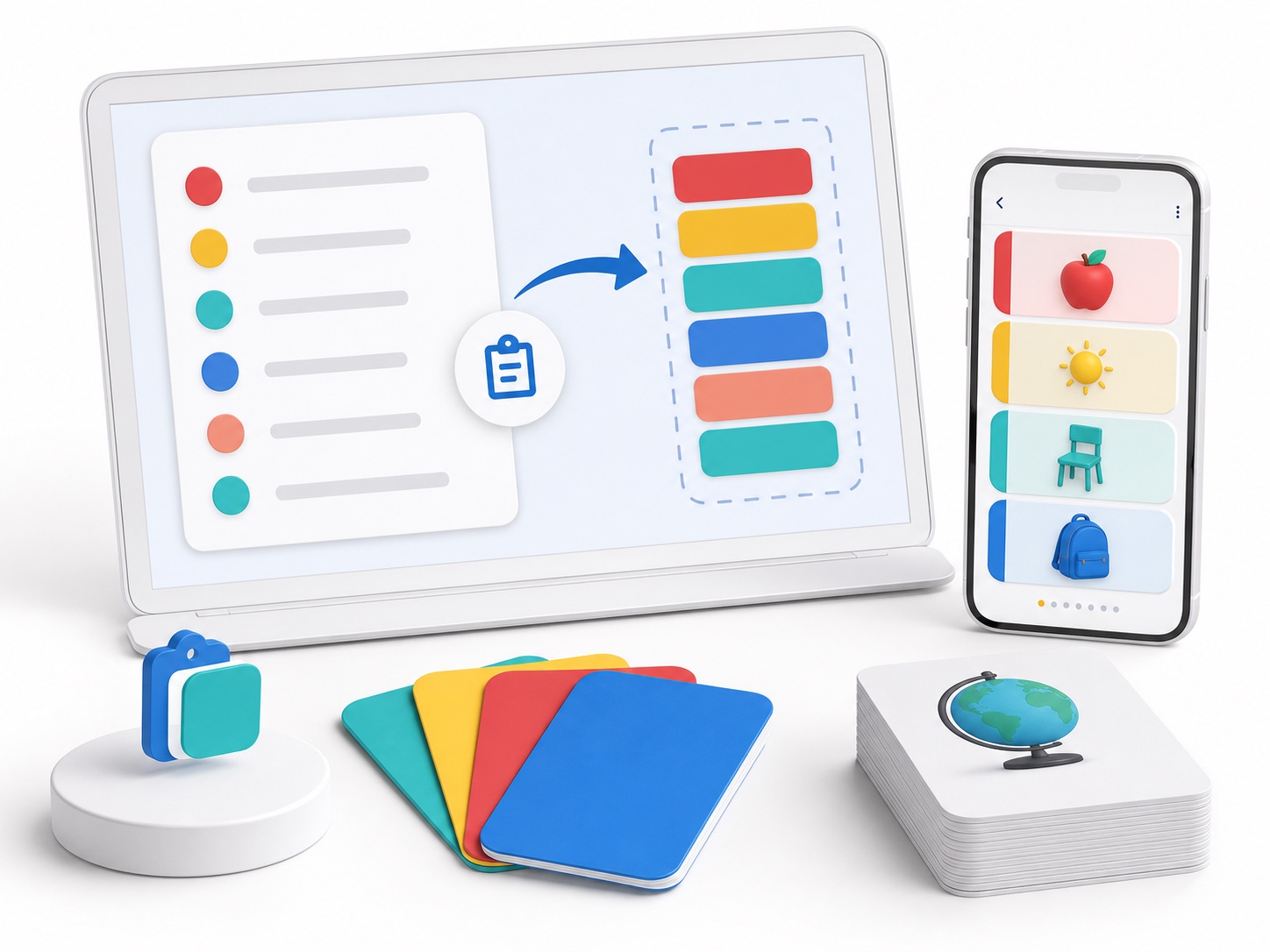
Practise tomar and beber in Hola Cards
Hola Cards, the Spanish flashcard app on holacards.org, turns these 40 examples into flashcards with audio, writing, pronunciation practice, custom word groups, and spaced review on iOS and Android.