Keep neighbour phrases in one group
Copy all 24 neighbour phrases into Hola Cards on iOS or Android, or practise them directly from this guide.
Spanish phrases for neighbours
A simple way to talk with a neighbour
Greet the person and introduce yourself briefly.
Use usted as a polite starting point when you do not know the neighbour.
Make one clear request and give a short reason if it helps.
Ask how the building handles parcels, rubbish or shared rooms.
Describe a maintenance issue without guessing who caused it.
Thank the neighbour and agree on a practical next step.
Useful words for neighbours and buildings
vecino or vecina means neighbour; the ending usually reflects the person’s gender.
piso can mean an apartment in Spain; apartamento and departamento are common elsewhere.
usted keeps a request formal; neighbours may switch to tú after getting to know each other.
Building names for a manager, shared room and rubbish rules vary across regions.
24 Spanish phrases for talking with neighbours
Learn 24 Spanish phrases to meet neighbours, make polite noise requests, handle parcels and talk about shared spaces and building issues.
| Spanish | Meaning | Example | How to use |
|---|---|---|---|
| Hola, soy Ana; me acabo de mudar al piso de al lado. | Hi, I’m Ana; I’ve just moved into the flat next door. | Practise this phrase in a neighbour conversation: Hola, soy Ana; me acabo de mudar al piso de al lado. | Use a friendly greeting when you meet someone in the building. |
| ¿Vive usted en este edificio? | Do you live in this building? | Practise this phrase in a neighbour conversation: ¿Vive usted en este edificio desde hace mucho? | Use a friendly greeting when you meet someone in the building. |
| ¿Cómo se llama? | What is your name? | Practise this phrase in a neighbour conversation: ¿Cómo se llama usted? | Use a friendly greeting when you meet someone in the building. |
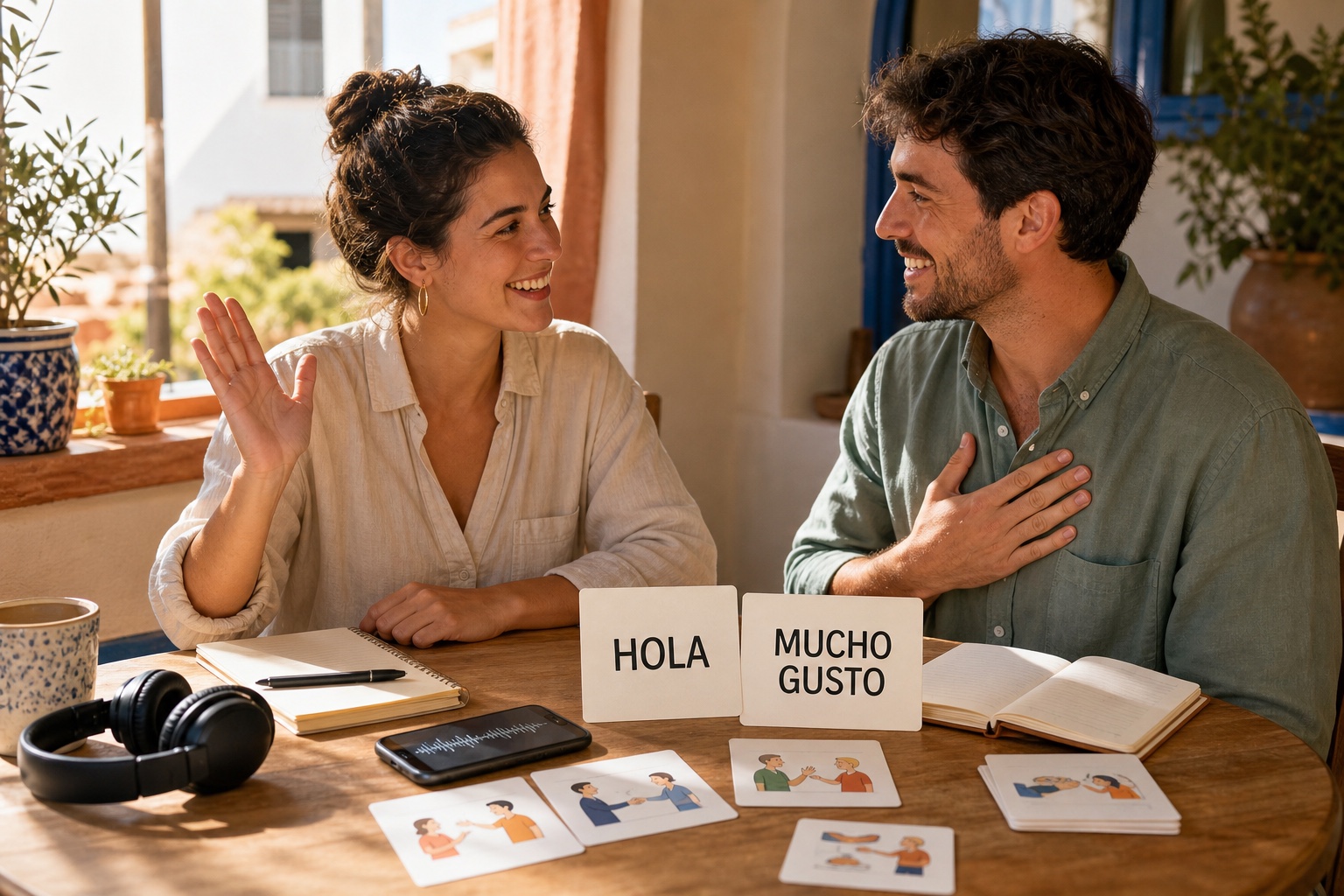
| Mucho gusto en conocerle. | It’s nice to meet you. | Practise this phrase in a neighbour conversation: Mucho gusto en conocerle; soy su nuevo vecino. | Use a friendly greeting when you meet someone in the building. |
| Perdone, ¿podría bajar un poco la música? | Excuse me, could you turn the music down a little? | Practise this phrase in a neighbour conversation: Perdone, ¿podría bajar un poco la música? Mañana madrugo. | Use a calm tone and make a specific, modest request. |
| Se oye bastante ruido desde mi habitación. | I can hear quite a lot of noise from my room. | Practise this phrase in a neighbour conversation: Se oye bastante ruido desde mi habitación por la noche. | Use a calm tone and make a specific, modest request. |
| ¿Podemos acordar un horario para las obras? | Could we agree on a time for the renovation work? | Practise this phrase in a neighbour conversation: ¿Podemos acordar un horario para las obras del piso? | Use a calm tone and make a specific, modest request. |
| Gracias por avisarme de la fiesta. | Thanks for letting me know about the party. | Practise this phrase in a neighbour conversation: Gracias por avisarme de la fiesta con tiempo. | Use a calm tone and make a specific, modest request. |
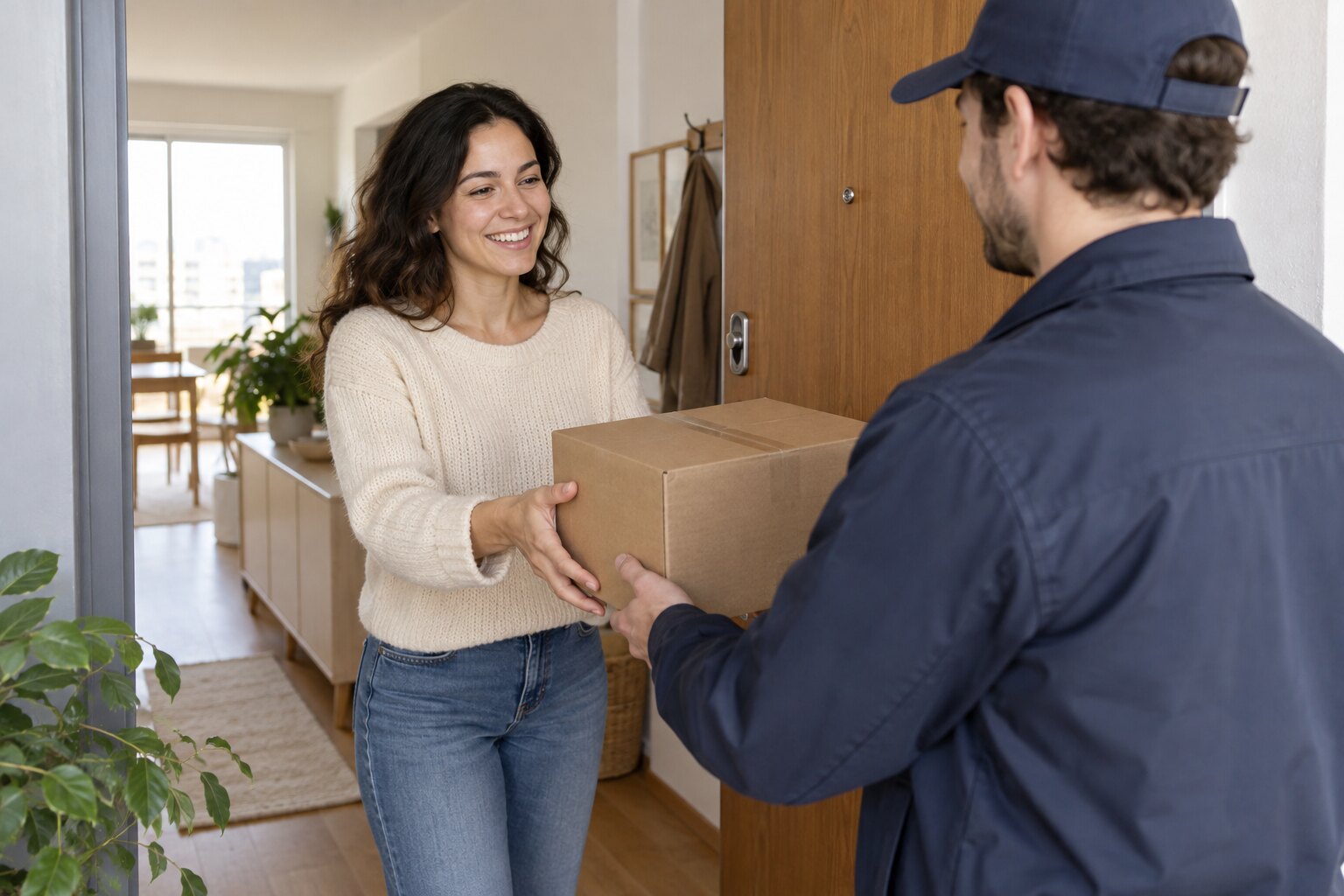
| ¿Dónde se dejan los paquetes? | Where should parcels be left? | Practise this phrase in a neighbour conversation: ¿Dónde se dejan los paquetes cuando no estoy? | Ask how residents use shared areas and handle deliveries. |
| Le guardé el paquete en casa. | I kept your parcel at my place. | Practise this phrase in a neighbour conversation: Le guardé el paquete porque llegó mientras usted no estaba. | Ask how residents use shared areas and handle deliveries. |
| ¿Ha recibido una carta para mí? | Have you received a letter for me? | Practise this phrase in a neighbour conversation: ¿Ha recibido una carta para mí en el buzón? | Ask how residents use shared areas and handle deliveries. |
| ¿A qué hora se saca la basura? | What time do people take the rubbish out? | Practise this phrase in a neighbour conversation: ¿A qué hora se saca la basura en este edificio? | Ask how residents use shared areas and handle deliveries. |
| ¿Hay que reservar la sala común? | Do we need to book the shared room? | Practise this phrase in a neighbour conversation: ¿Hay que reservar la sala común para usarla? | Ask how residents use shared areas and handle deliveries. |
| ¿Me podría prestar un destornillador? | Could I borrow a screwdriver? | Practise this phrase in a neighbour conversation: ¿Me podría prestar un destornillador un momento? | Keep a favour small and say please or thank you. |
| ¿Podría recibir un paquete por mí esta tarde? | Could you accept a parcel for me this afternoon? | Practise this phrase in a neighbour conversation: ¿Podría recibir un paquete por mí esta tarde? | Keep a favour small and say please or thank you. |
| Si necesita algo, puede llamar a mi puerta. | If you need anything, you can knock on my door. | Practise this phrase in a neighbour conversation: Si necesita algo, puede llamar a mi puerta. | Keep a favour small and say please or thank you. |
| ¿Conoce a alguien que repare persianas? | Do you know anyone who repairs blinds? | Practise this phrase in a neighbour conversation: ¿Conoce a alguien que repare las persianas? | Keep a favour small and say please or thank you. |
| Hay una fuga debajo del fregadero. | There’s a leak under the sink. | Practise this phrase in a neighbour conversation: Hay una fuga debajo del fregadero del piso de arriba. | Describe the issue and ask who is responsible for maintenance. |
| La luz de la escalera no funciona. | The stairwell light isn’t working. | Practise this phrase in a neighbour conversation: La luz de la escalera no funciona desde anoche. | Describe the issue and ask who is responsible for maintenance. |
| ¿Sabe quién lleva el mantenimiento del edificio? | Do you know who handles building maintenance? | Practise this phrase in a neighbour conversation: ¿Sabe quién lleva el mantenimiento del edificio? | Describe the issue and ask who is responsible for maintenance. |
| Voy a avisar a la persona encargada del edificio. | I’m going to let the person in charge of the building know. | Practise this phrase in a neighbour conversation: Voy a avisar a la persona encargada del edificio sobre la fuga. | Describe the issue and ask who is responsible for maintenance. |
| ¿Le viene bien si hablamos mañana? | Would tomorrow suit you if we talk? | Practise this phrase in a neighbour conversation: ¿Le viene bien si hablamos mañana con más calma? | Thank the neighbour and suggest a time to continue the conversation. |
| Muchas gracias por su ayuda. | Thank you very much for your help. | Practise this phrase in a neighbour conversation: Muchas gracias por su ayuda con el paquete. | Thank the neighbour and suggest a time to continue the conversation. |
| Que tenga una buena tarde. | Have a good afternoon. | Practise this phrase in a neighbour conversation: Que tenga una buena tarde; nos vemos por aquí. | Thank the neighbour and suggest a time to continue the conversation. |
Phrases for everyday neighbour conversations
Meet someone nearby, make a respectful request, coordinate shared spaces and discuss a building issue.
Meet a neighbour
Hola, soy Ana; me acabo de mudar al piso de al lado. · ¿Vive usted en este edificio? · ¿Cómo se llama? · Mucho gusto en conocerle.
Make a polite request
Perdone, ¿podría bajar un poco la música? · Se oye bastante ruido desde mi habitación. · ¿Podemos acordar un horario para las obras? · Gracias por avisarme de la fiesta.
Use shared spaces
¿Dónde se dejan los paquetes? · Le guardé el paquete en casa. · ¿Ha recibido una carta para mí? · ¿A qué hora se saca la basura? · ¿Hay que reservar la sala común?
Ask for a small favour
¿Me podría prestar un destornillador? · ¿Podría recibir un paquete por mí esta tarde? · Si necesita algo, puede llamar a mi puerta. · ¿Conoce a alguien que repare persianas?
Talk about the building
Hay una fuga debajo del fregadero. · La luz de la escalera no funciona. · ¿Sabe quién lleva el mantenimiento del edificio? · Voy a avisar a la persona encargada del edificio.
End the conversation
¿Le viene bien si hablamos mañana? · Muchas gracias por su ayuda. · Que tenga una buena tarde.
A short conversation in the hallway
Resident: Hola, soy Ana; me acabo de mudar al piso de al lado. Neighbour: Mucho gusto en conocerle.
Resident: ¿Dónde se dejan los paquetes? Neighbour: Puede dejar una nota en la puerta del administrador.
Continue with Spanish phrases for apartment rentals, package deliveries and everyday greetings.
Spanish apartment rental phrases Spanish package delivery phrases Spanish greetings and introductions
A five-minute Spanish neighbour drill
- Practise introducing yourself and asking your neighbour’s name.
- Say one polite request about music or renovation hours.
- Ask where parcels and rubbish should go.
- Explain a small building problem and ask who handles maintenance.
- Finish with a thank-you and a time to talk again.
About these phrases
The examples are original practice material for everyday conversations. Adjust the level of formality to the neighbour and local custom.
FAQ
How do I politely ask a neighbour to lower the music?
Say Perdone, ¿podría bajar un poco la música? A calm tone and a specific request help keep the conversation considerate.
Should I use tú or usted with a new neighbour?
Usted is a polite starting point when you have just met. Neighbours may use tú once both feel comfortable.
How do I say “my neighbour” in Spanish?
Use mi vecino for a man and mi vecina for a woman. Vecindario means neighbourhood.
How do I ask where a parcel was left?
Ask ¿Dónde se dejan los paquetes? You can add cuando no estoy if you mean when you are out.
Does Hola Cards manage apartments or resolve building disputes?
No. Hola Cards helps you practise Spanish. Follow your building rules and contact the responsible manager or service for practical issues.
Copy the 24 neighbour phrases
Save the block or paste it into a custom group in the Hola Cards mobile app.
**Talking with neighbours in Spanish: 24 phrases**

Hola, soy Ana; me acabo de mudar al piso de al lado. - Hi, I’m Ana; I’ve just moved into the flat next door.
¿Vive usted en este edificio? - Do you live in this building?
¿Cómo se llama? - What is your name?
Mucho gusto en conocerle. - It’s nice to meet you.
Perdone, ¿podría bajar un poco la música? - Excuse me, could you turn the music down a little?
Se oye bastante ruido desde mi habitación. - I can hear quite a lot of noise from my room.
¿Podemos acordar un horario para las obras? - Could we agree on a time for the renovation work?
Gracias por avisarme de la fiesta. - Thanks for letting me know about the party.
¿Dónde se dejan los paquetes? - Where should parcels be left?
Le guardé el paquete en casa. - I kept your parcel at my place.
¿Ha recibido una carta para mí? - Have you received a letter for me?
¿A qué hora se saca la basura? - What time do people take the rubbish out?
¿Hay que reservar la sala común? - Do we need to book the shared room?
¿Me podría prestar un destornillador? - Could I borrow a screwdriver?
¿Podría recibir un paquete por mí esta tarde? - Could you accept a parcel for me this afternoon?
Si necesita algo, puede llamar a mi puerta. - If you need anything, you can knock on my door.
¿Conoce a alguien que repare persianas? - Do you know anyone who repairs blinds?
Hay una fuga debajo del fregadero. - There’s a leak under the sink.
La luz de la escalera no funciona. - The stairwell light isn’t working.
¿Sabe quién lleva el mantenimiento del edificio? - Do you know who handles building maintenance?
Voy a avisar a la persona encargada del edificio. - I’m going to let the person in charge of the building know.
¿Le viene bien si hablamos mañana? - Would tomorrow suit you if we talk?
Muchas gracias por su ayuda. - Thank you very much for your help.
Que tenga una buena tarde. - Have a good afternoon.
Practise neighbour conversations with Hola Cards
Save these phrases before moving into a shared building or meeting a new neighbour. Hola Cards is available on iOS and Android.