Build a Spanish reactions practice group
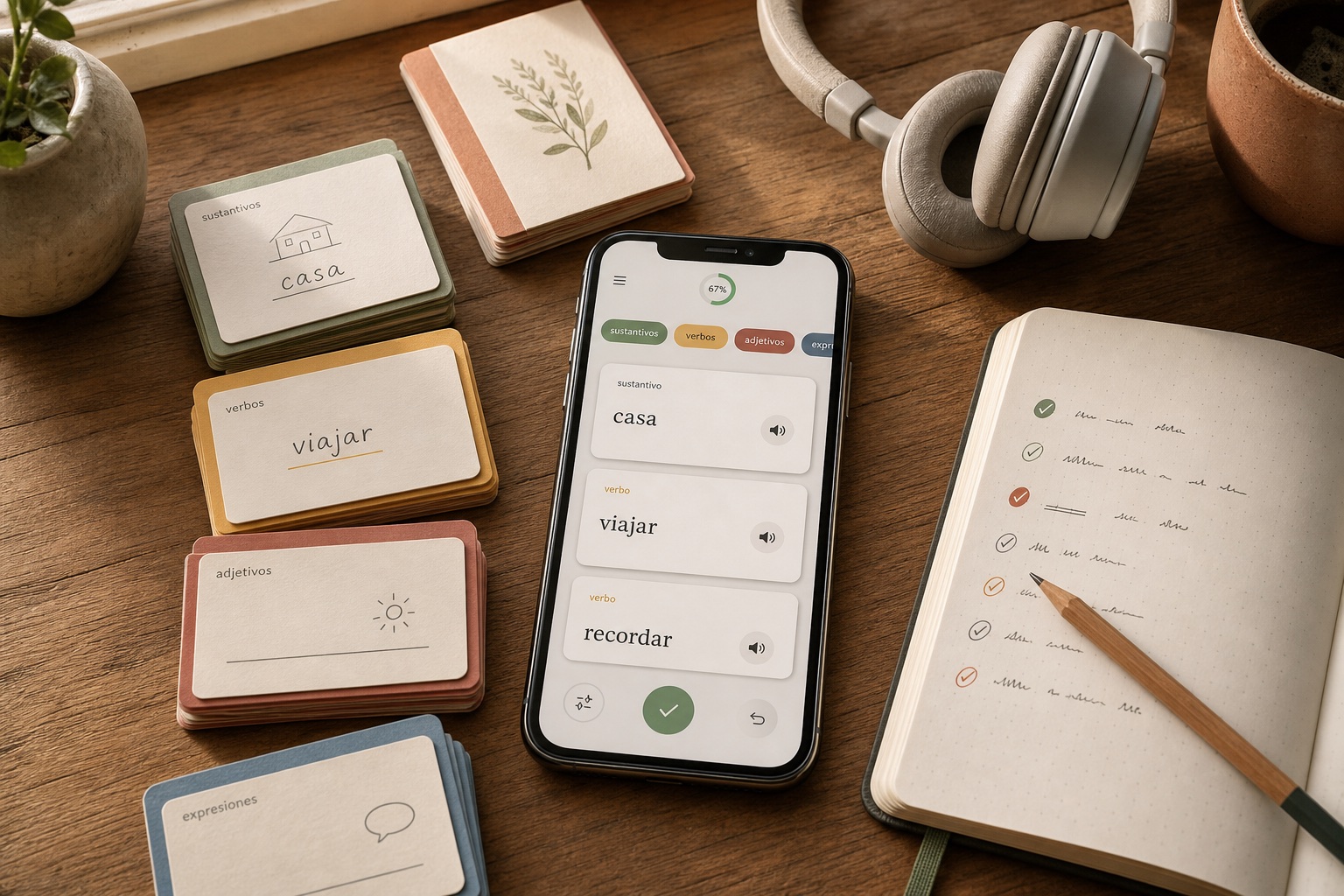
Import all 32 fixed expressions and practise them with Spanish audio and writing on iOS or Android. The complete guide remains useful without the app.
Spanish interjections
What are the most common Spanish interjections?
Widely understood reactions include ¡Ay! for pain or concern, ¡Uf! for effort or relief, ¡Ojo! for a warning, ¡Vaya! for surprise and ¡Bravo! for approval. Their closest English translation changes with context.
Some everyday choices are regional. ¡Vale! and ¡Venga! are especially associated with Spain; ¡Dale! is common across much of Latin America. They are understood more broadly, but frequency and tone vary.
Strict grammatical interjections and ordinary words used as exclamations appear together here because learners meet both as conversational reactions.
Four rules for sounding natural
Write both exclamation marks when the whole expression is exclamatory: ¡Qué bien!
Separate a free-standing interjection from the sentence with a comma: Ay, me duele.
Learn the reaction with one short situation; the same sound can change meaning with tone.
Treat regional labels as guidance, not borders: speakers move and usage overlaps.
32 useful Spanish reactions
Use the example and usage note to choose the reaction; do not rely on the English gloss alone.
| Spanish reaction | Meaning | Example in context | Usage note |
|---|---|---|---|
| ¡Ah! | Ah!; oh! | ¡Ah! Ahora lo entiendo. | Meaning changes strongly with context or intonation. |
| ¡Oh! | Oh! | ¡Oh! No lo sabía. | Widely understood; the exact feeling depends on tone. |
| ¡Vaya! | Wow!; well! | ¡Vaya! Qué sorpresa. | Meaning changes strongly with context or intonation. |
| ¡Anda! | Really!; wow! | ¡Anda! No me lo esperaba. | Meaning changes strongly with context or intonation. |
| ¡Hala! | Wow!; come on! | ¡Hala! Qué edificio tan alto. | Especially frequent in Spain. |
| ¡Guau! | Wow! | ¡Guau! Te queda genial. | Widely understood; the exact feeling depends on tone. |
| ¡Uy! | Oops!; oh! | ¡Uy! Casi me caigo. | Meaning changes strongly with context or intonation. |
| ¡Caramba! | Goodness!; wow! | ¡Caramba! Qué rápido. | Conversational and informal. |
| ¡Bravo! | Bravo!; well done! | ¡Bravo! Lo hiciste muy bien. | Widely understood; the exact feeling depends on tone. |
| ¡Bien! | Good!; great! | ¡Bien! Ya hemos terminado. | Widely understood; the exact feeling depends on tone. |
| ¡Genial! | Great! | ¡Genial! Nos vemos mañana. | Widely understood; the exact feeling depends on tone. |
| ¡Perfecto! | Perfect! | ¡Perfecto! Quedamos a las ocho. | Widely understood; the exact feeling depends on tone. |
| ¡Claro! | Of course! | ¡Claro! Te ayudo ahora. | Meaning changes strongly with context or intonation. |
| ¡Vale! | Okay! | ¡Vale! Te llamo luego. | Especially frequent in Spain. |
| ¡Dale! | Go ahead!; okay! | ¡Dale! Empieza tú. | Especially frequent in much of Latin America. |
| ¡Venga! | Come on!; all right! | ¡Venga! Tenemos que salir. | Especially frequent in Spain. |
| ¡Eh! | Hey! | ¡Eh! Espera un momento. | Conversational and informal. |
| ¡Oye! | Hey!; listen! | ¡Oye! Tengo una pregunta. | Conversational and informal. |
| ¡Hola! | Hello! | ¡Hola! ¿Hay alguien aquí? | Widely understood; the exact feeling depends on tone. |
| ¡Ajá! | Aha!; right! | ¡Ajá! Ya veo el problema. | Meaning changes strongly with context or intonation. |
| ¡Ya! | Right!; enough! | ¡Ya! Ahora lo comprendo. | Meaning changes strongly with context or intonation. |
| ¡A ver! | Let’s see! | ¡A ver! ¿Qué tenemos aquí? | Meaning changes strongly with context or intonation. |
| ¡Vamos! | Come on!; let’s go! | ¡Vamos! El tren sale pronto. | Meaning changes strongly with context or intonation. |
| ¡Ojo! | Watch out!; mind! | ¡Ojo! El suelo está mojado. | Direct warning or urgent call for attention. |
| ¡Ay! | Ow!; oh no! | ¡Ay! Me duele la espalda. | Meaning changes strongly with context or intonation. |
| ¡Uf! | Phew!; ugh! | ¡Uf! Por fin hemos llegado. | Meaning changes strongly with context or intonation. |
| ¡Puaj! | Yuck! | ¡Puaj! Esta leche está mala. | Conversational and informal. |
| ¡Bah! | Bah!; who cares! | ¡Bah! No es tan importante. | Conversational and informal. |
| ¡Qué va! | No way! | ¡Qué va! No estoy enfadado. | Conversational and informal. |
| ¡Ni hablar! | No way!; absolutely not! | ¡Ni hablar! Es demasiado peligroso. | Widely understood; the exact feeling depends on tone. |
| ¡Cuidado! | Careful!; watch out! | ¡Cuidado! Viene una bicicleta. | Direct warning or urgent call for attention. |
| ¡Socorro! | Help! | ¡Socorro! No sé nadar. | Direct warning or urgent call for attention. |
Learn reactions by conversational job
Each group answers a different moment: surprise, approval, attention or a strong feeling.
Surprise and admiration
React to something unexpected, impressive or disappointing.
¡Ah! · ¡Oh! · ¡Vaya! · ¡Anda! · ¡Hala! · ¡Guau! · ¡Uy! · ¡Caramba!
Agreement and encouragement
Accept, praise or urge someone forward.
¡Bravo! · ¡Bien! · ¡Genial! · ¡Perfecto! · ¡Claro! · ¡Vale! · ¡Dale! · ¡Venga!
Attention and understanding
Call, acknowledge, pause or warn.
¡Eh! · ¡Oye! · ¡Hola! · ¡Ajá! · ¡Ya! · ¡A ver! · ¡Vamos! · ¡Ojo!
Discomfort and strong feelings
Show pain, effort, disgust, refusal or urgency.
¡Ay! · ¡Uf! · ¡Puaj! · ¡Bah! · ¡Qué va! · ¡Ni hablar! · ¡Cuidado! · ¡Socorro!
The same reaction can change with tone
¡Vaya! Has llegado temprano. — genuine surprise.
Vaya… otra vez llegamos tarde. — disappointment or resignation.
¡Vaya idea tan buena! — admiration.
Hola Cards is a Spanish flashcard app from holacards.org for iOS and Android. It is free to download, requires no account, may show ads in the free version, while Premium removes ads, and works offline. The interface is available in 29 languages, including English, Russian, Portuguese and German; cards support translations in 29 languages, including English, Russian, Portuguese and German and 18 practice and game modes. You can import these 32 checked reactions into a custom group for Spanish audio, writing, pronunciation, and review. Hola Cards does not infer a speaker’s tone, label regional usage automatically, or correct an open-ended conversation.
Connect reactions with punctuation, greetings, emotions, commands and listening practice.
Spanish punctuation rules Spanish greetings and introductions Spanish emotions and feelings Spanish tú commands Spanish listening practice app
A five-minute reaction routine
- Choose two reactions from each group.
- Read the example aloud and exaggerate the intended tone once.
- Listen again, hide the Spanish side and recall the reaction.
- Say a new one-sentence situation for each reaction.
- Review the regional label before using it in a new setting.
Language references
Punctuation, spelling and context dependence were checked against RAE, FundéuRAE and Instituto Cervantes resources.
- FundéuRAE: Spanish exclamation marks
- RAE: commas with interjections
- FundéuRAE: spellings of common interjections
- Centro Virtual Cervantes: interjections in Spanish teaching
FAQ
What is an interjection in Spanish?
It is a word or short expression used independently to react, call attention or show an attitude, such as ¡Ay!, ¡Eh! or ¡Uf!
Do Spanish interjections need exclamation marks?
Use opening and closing exclamation marks when the expression is exclamatory. In a calm or questioning use, punctuation can change with the sentence.
What does vaya mean as an exclamation?
Depending on tone, ¡Vaya! can show surprise, admiration, disappointment or resignation. The surrounding sentence matters.
Are vale and dale the same?
Both can signal agreement or encouragement, but ¡Vale! is especially frequent in Spain and ¡Dale! across much of Latin America. Their uses do not match in every context.
Is hala used everywhere?
No. ¡Hala! is especially associated with Spain. Other regions may understand it but prefer another reaction.
Can Hola Cards identify the right interjection from my tone?
No. It helps you import and practise these 32 fixed reactions; it does not infer tone or correct an open conversation.
Copy the 32 reactions into Hola Cards
Open word groups in Hola Cards, choose paste/import and paste the block. The app recognises the title and “Spanish - translation” lines.
**Spanish reactions: 32 interjections and exclamations**

¡Ah! - Ah!; oh!
¡Oh! - Oh!
¡Vaya! - Wow!; well!
¡Anda! - Really!; wow!
¡Hala! - Wow!; come on!
¡Guau! - Wow!
¡Uy! - Oops!; oh!
¡Caramba! - Goodness!; wow!
¡Bravo! - Bravo!; well done!
¡Bien! - Good!; great!
¡Genial! - Great!
¡Perfecto! - Perfect!
¡Claro! - Of course!
¡Vale! - Okay!
¡Dale! - Go ahead!; okay!
¡Venga! - Come on!; all right!
¡Eh! - Hey!
¡Oye! - Hey!; listen!
¡Hola! - Hello!
¡Ajá! - Aha!; right!
¡Ya! - Right!; enough!
¡A ver! - Let’s see!
¡Vamos! - Come on!; let’s go!
¡Ojo! - Watch out!; mind!
¡Ay! - Ow!; oh no!
¡Uf! - Phew!; ugh!
¡Puaj! - Yuck!
¡Bah! - Bah!; who cares!
¡Qué va! - No way!
¡Ni hablar! - No way!; absolutely not!
¡Cuidado! - Careful!; watch out!
¡Socorro! - Help!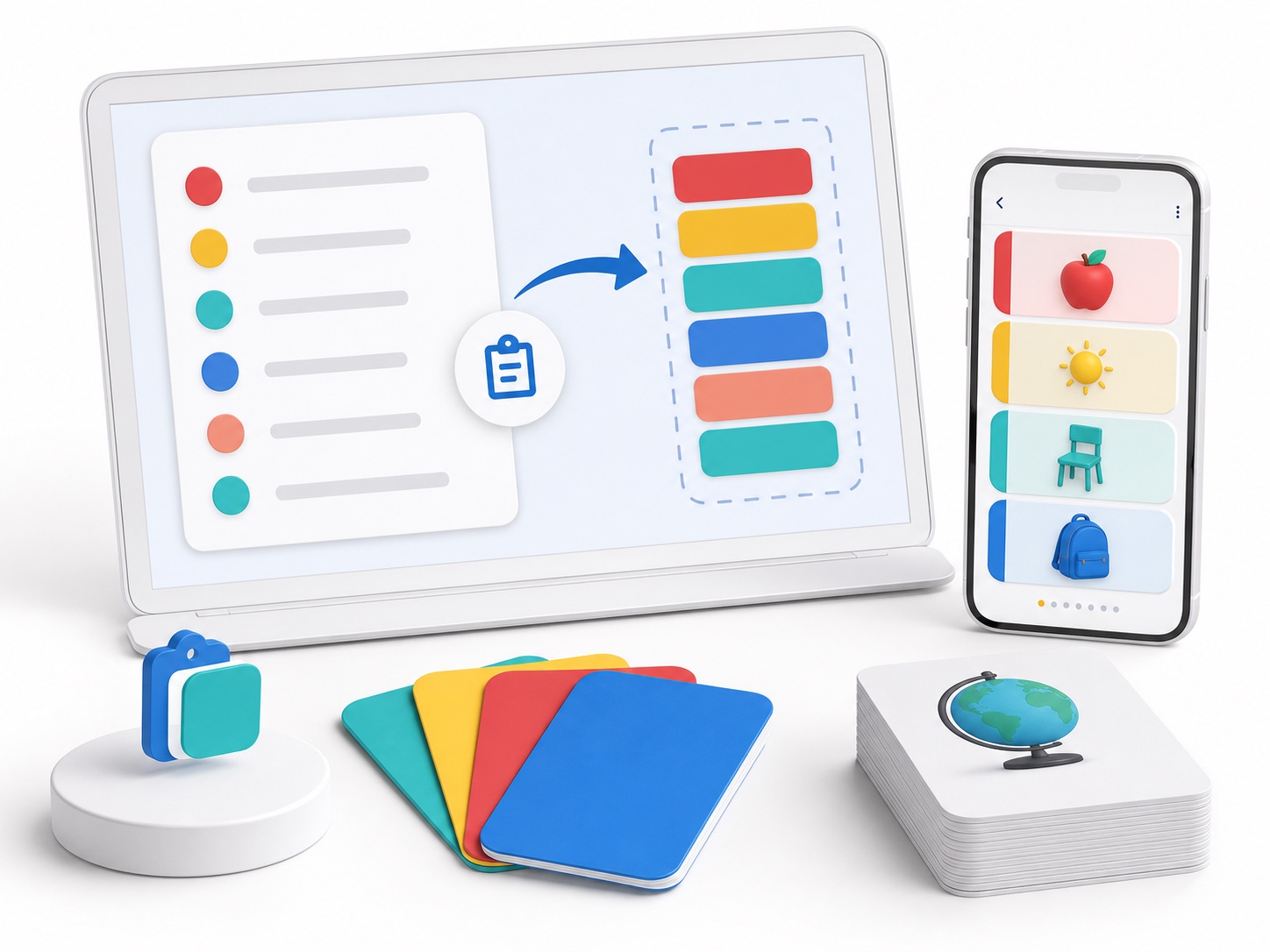
Practise Spanish reactions in Hola Cards
Review the 32 fixed reactions with Spanish audio, writing, pronunciation, custom groups and review modes on iOS and Android.