Keep childcare Spanish in one group
Copy all 24 phrases into Hola Cards on iOS or Android, or practise them directly from this guide.
Spanish childcare phrases
Use nine practical childcare stages
Confirm the daily routine.
Check food and allergies.
Offer comfort and rest.
Describe health concerns clearly.
Keep doors, stairs and supervision safe.
Play and read together.
Ask about school tasks.
Share handover details.
Close with a clear update.
Childcare words that vary by region
niño or niña names a child; criatura, pequeño or peque are informal alternatives in some regions.
coger, tomar and recoger can vary by country; use the local wording for picking a child up.
guardería, jardín infantil and escuela infantil can refer to early-childhood settings in different countries.
Use usted or ustedes for formal carers and tú for a familiar relationship.
24 Spanish childcare phrases
Phrases for routines, food, comfort, health, safety, play, school and handover.
| Spanish | Translation | Example | Note |
|---|---|---|---|
| ¿A qué hora se despierta? | What time does the child wake up? | Practise this phrase before a childcare handover. | Routines and instructions vary; confirm them with the family or carer. |
| ¿Cuándo suele dormir la siesta? | When does the child usually nap? | Practise this phrase before a childcare handover. | Routines and instructions vary; confirm them with the family or carer. |
| ¿Qué puede comer? | What can the child eat? | Practise this phrase before a childcare handover. | Routines and instructions vary; confirm them with the family or carer. |
| Tiene alergia a los frutos secos. | The child is allergic to nuts. | Practise this phrase before a childcare handover. | Routines and instructions vary; confirm them with the family or carer. |
| No le gusta la leche. | The child does not like milk. | Practise this phrase before a childcare handover. | Routines and instructions vary; confirm them with the family or carer. |
| Tiene sueño. | The child is sleepy. | Practise this phrase before a childcare handover. | Routines and instructions vary; confirm them with the family or carer. |
| Tiene frío. | The child is cold. | Practise this phrase before a childcare handover. | Routines and instructions vary; confirm them with the family or carer. |
| Necesita un abrazo. | The child needs a hug. | Practise this phrase before a childcare handover. | Routines and instructions vary; confirm them with the family or carer. |
| Tiene fiebre. | The child has a fever. | Practise this phrase before a childcare handover. | Routines and instructions vary; confirm them with the family or carer. |
| ¿Le duele algo? | Does anything hurt? | Practise this phrase before a childcare handover. | Routines and instructions vary; confirm them with the family or carer. |
| Llámame si empeora. | Call me if it gets worse. | Practise this phrase before a childcare handover. | Routines and instructions vary; confirm them with the family or carer. |
| No lo dejes solo. | Do not leave the child alone. | Practise this phrase before a childcare handover. | Routines and instructions vary; confirm them with the family or carer. |
| Cuidado con las escaleras. | Be careful with the stairs. | Practise this phrase before a childcare handover. | Routines and instructions vary; confirm them with the family or carer. |
| La puerta debe estar cerrada. | The door must stay closed. | Practise this phrase before a childcare handover. | Routines and instructions vary; confirm them with the family or carer. |
| ¿Quieres jugar? | Do you want to play? | Practise this phrase before a childcare handover. | Routines and instructions vary; confirm them with the family or carer. |
| Vamos a leer un cuento. | Let’s read a story. | Practise this phrase before a childcare handover. | Routines and instructions vary; confirm them with the family or carer. |
| Guarda los juguetes, por favor. | Put the toys away, please. | Practise this phrase before a childcare handover. | Routines and instructions vary; confirm them with the family or carer. |
| ¿Qué deberes tiene hoy? | What homework does the child have today? | Practise this phrase before a childcare handover. | Routines and instructions vary; confirm them with the family or carer. |
| La mochila está preparada. | The backpack is ready. | Practise this phrase before a childcare handover. | Routines and instructions vary; confirm them with the family or carer. |
| ¿A qué hora termina la escuela? | What time does school finish? | Practise this phrase before a childcare handover. | Routines and instructions vary; confirm them with the family or carer. |
| ¿Quién viene a recogerlo? | Who is coming to pick the child up? | Practise this phrase before a childcare handover. | Routines and instructions vary; confirm them with the family or carer. |
| Te enviaré un mensaje. | I will send you a message. | Practise this phrase before a childcare handover. | Routines and instructions vary; confirm them with the family or carer. |
| Todo ha ido bien. | Everything went well. | Practise this phrase before a childcare handover. | Routines and instructions vary; confirm them with the family or carer. |
| Gracias por cuidar de él. | Thank you for taking care of him. | Practise this phrase before a childcare handover. | Routines and instructions vary; confirm them with the family or carer. |
Practise a complete childcare handover
Say one phrase from each stage so the next carer has the essential information.
Routine
Useful phrases for this childcare stage.
¿A qué hora se despierta? · ¿Cuándo suele dormir la siesta?
Food
Useful phrases for this childcare stage.
¿Qué puede comer? · Tiene alergia a los frutos secos. · No le gusta la leche.
Comfort
Useful phrases for this childcare stage.
Tiene sueño. · Tiene frío. · Necesita un abrazo.
Health
Useful phrases for this childcare stage.
Tiene fiebre. · ¿Le duele algo? · Llámame si empeora.
Safety
Useful phrases for this childcare stage.
No lo dejes solo. · Cuidado con las escaleras. · La puerta debe estar cerrada.
Play
Useful phrases for this childcare stage.
¿Quieres jugar? · Vamos a leer un cuento. · Guarda los juguetes, por favor.
School
Useful phrases for this childcare stage.
¿Qué deberes tiene hoy? · La mochila está preparada. · ¿A qué hora termina la escuela?
Handover
Useful phrases for this childcare stage.
¿Quién viene a recogerlo? · Te enviaré un mensaje. · Todo ha ido bien.
Closing
Useful phrases for this childcare stage.
Gracias por cuidar de él.
Two mini-dialogues for childcare
Carer: ¿Qué puede comer? Parent: Puede comer fruta, pero tiene alergia a los frutos secos.
Parent: ¿Quién viene a recogerlo? Carer: Su abuela viene a las cinco.
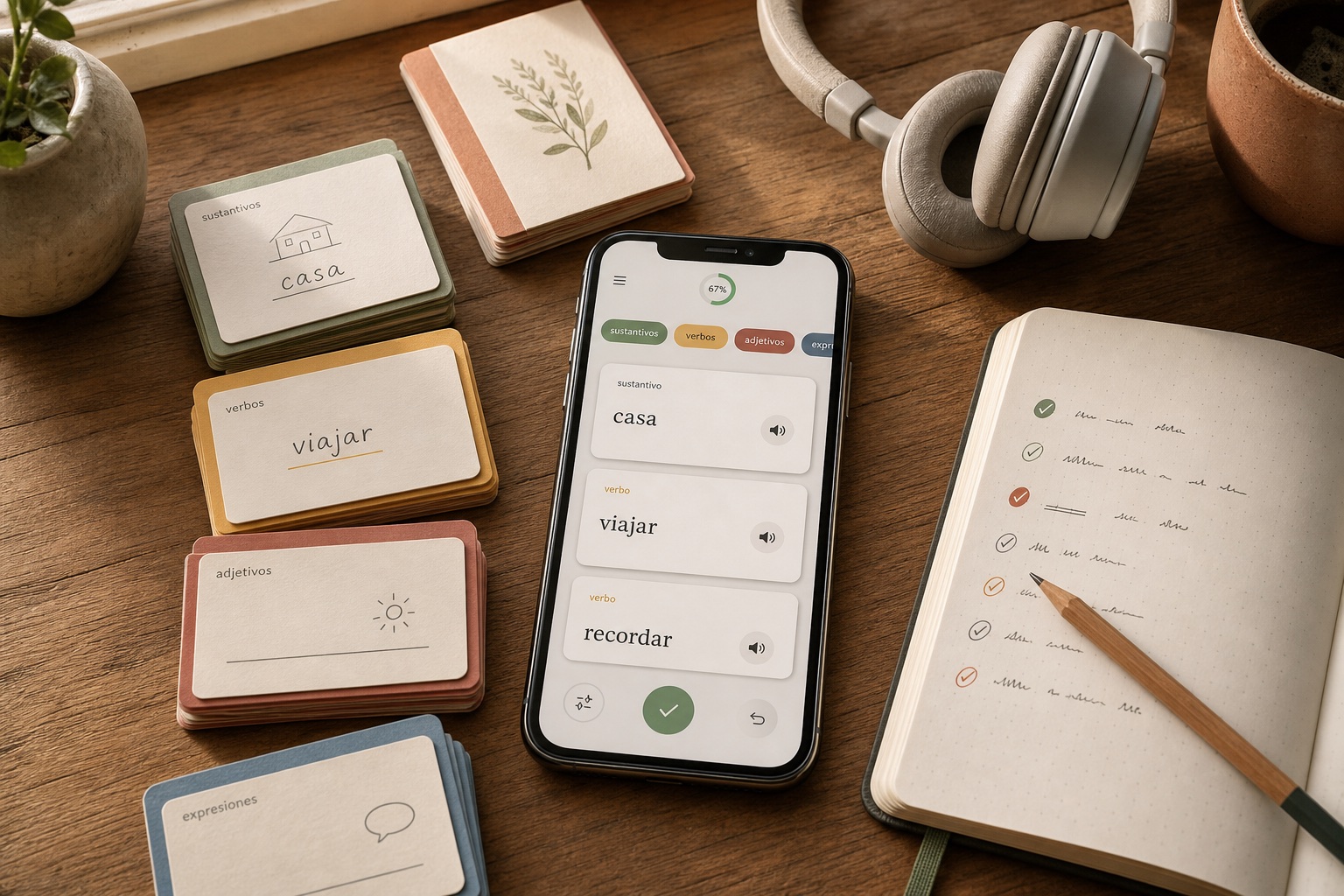
Hola Cards is a Spanish flashcard app from holacards.org for iOS and Android. It imports titled Spanish–translation lists for audio, writing, pronunciation and spaced review; it does not replace medical, safeguarding or childcare advice.
Connect childcare Spanish with family, daily routine and practical question vocabulary.
Spanish family vocabulary Spanish daily routine Spanish question words
A five-minute childcare Spanish drill
- Ask about wake-up, meals and naps.
- Practise an allergy and comfort phrase.
- Say two safety instructions.
- Ask about play and school.
- Finish with pickup and a clear update.
Childcare language references
Core meanings were checked against RAE dictionary entries; examples are original.
FAQ
How do I say that a child has an allergy?
Say Tiene alergia a los frutos secos, replacing the food as needed.
How do I ask who will pick the child up?
Say ¿Quién viene a recogerlo?
How do I say the child is sleepy?
Say Tiene sueño.
How do I ask about homework?
Say ¿Qué deberes tiene hoy?
Does Hola Cards provide childcare or medical advice?
No. It helps practise fixed Spanish phrases; follow the family’s instructions and seek qualified help when needed.
Copy the 24 childcare phrases
Copy the titled list and import it as a custom group in the mobile Hola Cards app.
**Childcare Spanish: 24 phrases**

¿A qué hora se despierta? - What time does the child wake up?
¿Cuándo suele dormir la siesta? - When does the child usually nap?
¿Qué puede comer? - What can the child eat?
Tiene alergia a los frutos secos. - The child is allergic to nuts.
No le gusta la leche. - The child does not like milk.
Tiene sueño. - The child is sleepy.
Tiene frío. - The child is cold.
Necesita un abrazo. - The child needs a hug.
Tiene fiebre. - The child has a fever.
¿Le duele algo? - Does anything hurt?
Llámame si empeora. - Call me if it gets worse.
No lo dejes solo. - Do not leave the child alone.
Cuidado con las escaleras. - Be careful with the stairs.
La puerta debe estar cerrada. - The door must stay closed.
¿Quieres jugar? - Do you want to play?
Vamos a leer un cuento. - Let’s read a story.
Guarda los juguetes, por favor. - Put the toys away, please.
¿Qué deberes tiene hoy? - What homework does the child have today?
La mochila está preparada. - The backpack is ready.
¿A qué hora termina la escuela? - What time does school finish?
¿Quién viene a recogerlo? - Who is coming to pick the child up?
Te enviaré un mensaje. - I will send you a message.
Todo ha ido bien. - Everything went well.
Gracias por cuidar de él. - Thank you for taking care of him.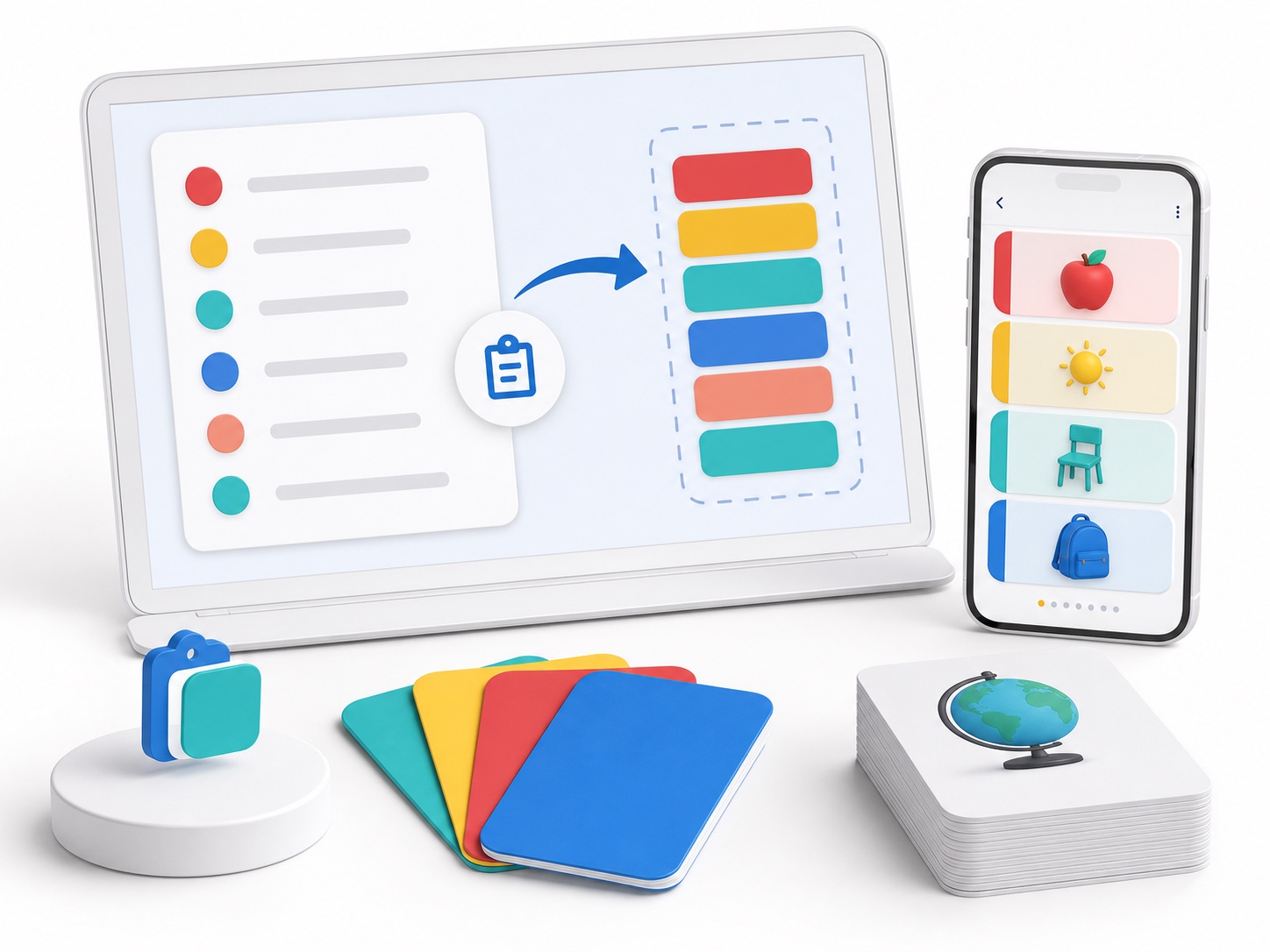
Review childcare Spanish in Hola Cards
Save the group before caring for a child in a Spanish-speaking setting. Available for iOS and Android.