Build a household chores group
Import all 32 phrases and practise them with Spanish audio and writing on iOS or Android. The complete guide remains useful without the app.
household chores in Spanish
How do you talk about chores in Spanish?
Spanish usually names a chore with a verb plus its object: hacer la cama, lavar la ropa, quitar el polvo. Memorising the whole phrase is more useful than learning the verb alone.
Use tener que for a personal obligation: Tengo que limpiar el baño. Use hay que for a general task when the person is not named: Hay que sacar la basura.
Regional choices are normal. Fregar el suelo and pasar la fregona are common in Spain; trapear el piso is frequent in much of Latin America. For dishes, lavar los platos works broadly, while fregar los platos is especially common in Spain.
Four patterns for natural chore sentences
Use hacer with fixed phrases: hacer la cama, hacer la compra.
Use lavar for water-based cleaning: lavar la ropa, las toallas or los platos.
Use limpiar for a place or surface: limpiar el baño, la cocina or la encimera.
Add frequency or responsibility: Limpio los sábados; hoy te toca poner la mesa.
32 common household chores in Spanish
Start with daily tidying, then add cleaning, laundry and kitchen tasks.
| Chore in Spanish | Meaning | Example in context | Usage note |
|---|---|---|---|
| hacer la cama | to make the bed | Hago la cama después de levantarme. | Learn the verb and object as one phrase. |
| ordenar la habitación | to tidy the room | Ordeno mi habitación los sábados. | Add a day or frequency to make it personal. |
| recoger las cosas | to put things away | Antes de dormir, recogemos las cosas. | Learn the verb and object as one phrase. |
| abrir las ventanas | to open the windows | Abro las ventanas por la mañana. | Add a day or frequency to make it personal. |
| regar las plantas | to water the plants | Riega las plantas dos veces por semana. | Add a day or frequency to make it personal. |
| dar de comer a la mascota | to feed the pet | Me toca dar de comer al perro. | Learn the verb and object as one phrase. |
| poner la mesa | to set the table | Ponemos la mesa antes de cenar. | Learn the verb and object as one phrase. |
| quitar la mesa | to clear the table | Yo quito la mesa después de comer. | Learn the verb and object as one phrase. |
| limpiar la casa | to clean the house | Hay que limpiar la casa hoy. | Use with tener que or hay que to express obligation. |
| barrer el suelo | to sweep the floor | Barre el suelo de la cocina. | Learn the verb and object as one phrase. |
| fregar el suelo | to mop the floor | Friego el suelo una vez por semana. | Regional wording varies; recognise both options. |
| trapear el piso | to mop the floor | En México, trapeamos el piso. | Regional wording varies; recognise both options. |
| pasar la aspiradora | to vacuum | Paso la aspiradora en el salón. | Regional wording varies; recognise both options. |
| quitar el polvo | to dust | Quita el polvo de la estantería. | Learn the verb and object as one phrase. |
| limpiar el baño | to clean the bathroom | Tengo que limpiar el baño. | Use with tener que or hay que to express obligation. |
| sacar la basura | to take out the rubbish | Saca la basura antes de salir. | Learn the verb and object as one phrase. |
| poner la lavadora | to start the washing machine | Pongo la lavadora por la mañana. | Regional wording varies; recognise both options. |
| lavar la ropa | to wash clothes | Lavamos la ropa los domingos. | Add a day or frequency to make it personal. |
| tender la ropa | to hang out the laundry | Tiende la ropa en el balcón. | Learn the verb and object as one phrase. |
| recoger la ropa tendida | to take in the laundry | Recojo la ropa antes de que llueva. | Learn the verb and object as one phrase. |
| doblar la ropa | to fold clothes | Dobla las camisetas y los pantalones. | Learn the verb and object as one phrase. |
| planchar la ropa | to iron clothes | No plancho la ropa cada semana. | Add a day or frequency to make it personal. |
| cambiar las sábanas | to change the sheets | Cambiamos las sábanas los viernes. | Add a day or frequency to make it personal. |
| guardar la ropa | to put clothes away | Guarda la ropa limpia en el armario. | Learn the verb and object as one phrase. |
| preparar la comida | to prepare the meal | Preparo la comida al mediodía. | Add a day or frequency to make it personal. |
| cocinar la cena | to cook dinner | Hoy cocino la cena para todos. | Add a day or frequency to make it personal. |
| lavar los platos | to wash the dishes | Lavo los platos después de cenar. | Regional wording varies; recognise both options. |
| secar los platos | to dry the dishes | Tú lavas y yo seco los platos. | Learn the verb and object as one phrase. |
| guardar los platos | to put the dishes away | Guarda los platos en el armario. | Learn the verb and object as one phrase. |
| vaciar el lavavajillas | to empty the dishwasher | Vacío el lavavajillas por la mañana. | Regional wording varies; recognise both options. |
| limpiar la encimera | to clean the worktop | Limpia la encimera después de cocinar. | Regional wording varies; recognise both options. |
| limpiar la nevera | to clean the fridge | Limpiamos la nevera una vez al mes. | Regional wording varies; recognise both options. |
Learn chores by part of the routine
Four small groups make it easier to recall the action where it happens.
Daily tidying
Small tasks that keep the home ready.
hacer la cama · ordenar la habitación · recoger las cosas · abrir las ventanas · regar las plantas · dar de comer a la mascota · poner la mesa · quitar la mesa
Cleaning
Floors, rooms, dust and rubbish.
limpiar la casa · barrer el suelo · fregar el suelo · trapear el piso · pasar la aspiradora · quitar el polvo · limpiar el baño · sacar la basura
Laundry
From washing to folding and storing.
poner la lavadora · lavar la ropa · tender la ropa · recoger la ropa tendida · doblar la ropa · planchar la ropa · cambiar las sábanas · guardar la ropa
Kitchen tasks
Meals, dishes and surfaces.
preparar la comida · cocinar la cena · lavar los platos · secar los platos · guardar los platos · vaciar el lavavajillas · limpiar la encimera · limpiar la nevera
How should you practise chore vocabulary?
Choose five chores you really do during a normal week.
Say one obligation with tengo que and one shared task with hay que.
Add a day or frequency: los lunes, cada día, una vez por semana.
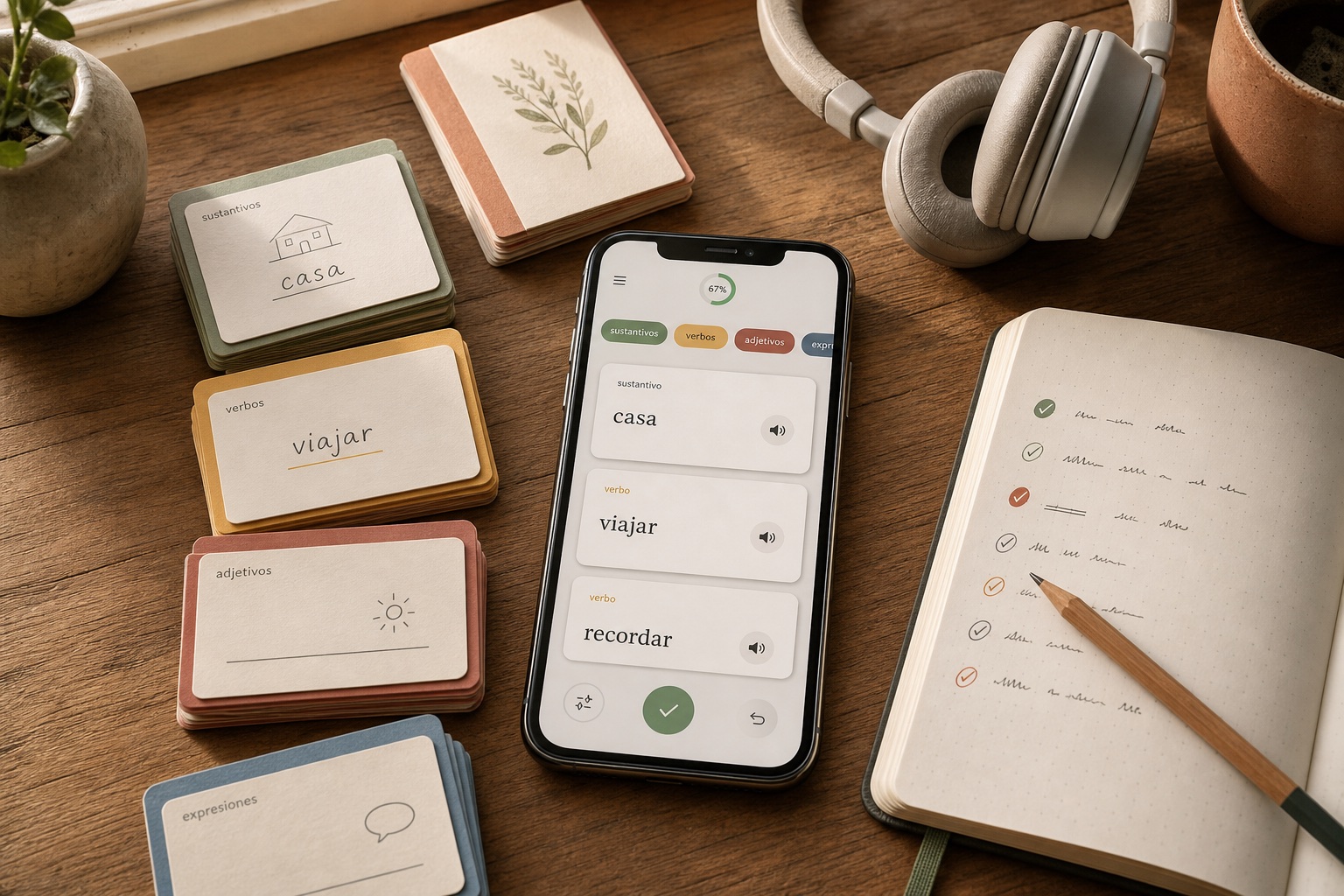
Hola Cards is a Spanish flashcard app from holacards.org for iOS and Android. It is free to download, requires no account, may show ads in the free version, while Premium removes ads, and works offline. The interface is available in 29 languages, including English, Russian, Portuguese and German; cards support translations in 29 languages, including English, Russian, Portuguese and German and 18 practice and game modes. You can import these 32 fixed chore phrases into a custom group and practise them with Spanish audio, writing, pronunciation, and review modes. Hola Cards does not assign chores, track a household, or automatically correct your grammar.
Connect chores with the home, daily routines, frequency, present tense and obligations with tener.
House vocabulary Daily routine phrases Adverbs of frequency Present tense endings Phrases with tener
A five-minute chore routine
- Choose two daily tasks and three weekly tasks.
- Say every phrase aloud as a complete chunk.
- Make one tengo que sentence and one hay que sentence.
- Write who does each task and when.
- Recall all five phrases without looking.
Vocabulary and usage references
The household-activity level and core expressions were checked against Instituto Cervantes and the RAE.
- Instituto Cervantes A1–A2 inventory: household activities
- Instituto Cervantes B1–B2 inventory: household tasks
- RAE dictionary: quehacer
FAQ
How do you say household chores in Spanish?
Use las tareas del hogar, los quehaceres domésticos or simply los quehaceres.
What is the difference between limpiar and lavar?
Limpiar is the broad verb “to clean.” Lavar normally involves water, as in lavar la ropa or lavar los platos.
How do you say to mop the floor?
In Spain, use fregar el suelo or pasar la fregona. In much of Latin America, trapear el piso is common.
How do you say I have to clean?
Say Tengo que limpiar. For a general duty without naming a person, say Hay que limpiar.
Is it lavar or fregar los platos?
Both are correct. Lavar los platos is widely understood; fregar los platos is especially common in Spain.
Does Hola Cards manage a chore schedule?
No. It lets you import and practise the fixed phrases; this guide teaches their meanings and usage.
Copy the 32 chores into Hola Cards
Open word groups in Hola Cards, choose paste/import, and paste the block. The app recognises the title and “Spanish - translation” lines.
**Household chores in Spanish: 32 phrases**

hacer la cama - to make the bed
ordenar la habitación - to tidy the room
recoger las cosas - to put things away
abrir las ventanas - to open the windows
regar las plantas - to water the plants
dar de comer a la mascota - to feed the pet
poner la mesa - to set the table
quitar la mesa - to clear the table
limpiar la casa - to clean the house
barrer el suelo - to sweep the floor
fregar el suelo - to mop the floor
trapear el piso - to mop the floor
pasar la aspiradora - to vacuum
quitar el polvo - to dust
limpiar el baño - to clean the bathroom
sacar la basura - to take out the rubbish
poner la lavadora - to start the washing machine
lavar la ropa - to wash clothes
tender la ropa - to hang out the laundry
recoger la ropa tendida - to take in the laundry
doblar la ropa - to fold clothes
planchar la ropa - to iron clothes
cambiar las sábanas - to change the sheets
guardar la ropa - to put clothes away
preparar la comida - to prepare the meal
cocinar la cena - to cook dinner
lavar los platos - to wash the dishes
secar los platos - to dry the dishes
guardar los platos - to put the dishes away
vaciar el lavavajillas - to empty the dishwasher
limpiar la encimera - to clean the worktop
limpiar la nevera - to clean the fridge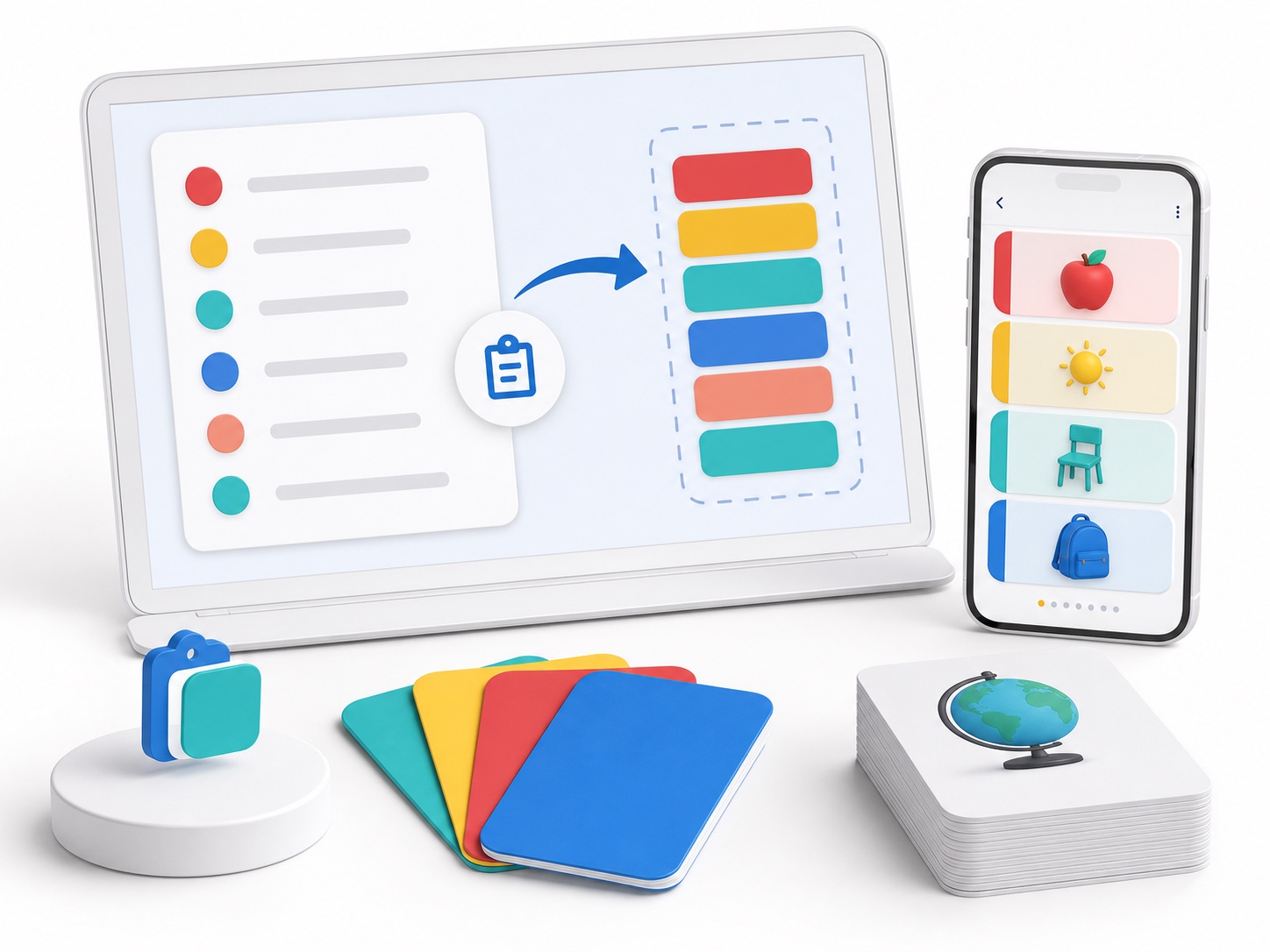
Review household chores in Hola Cards
Practise the 32 fixed phrases with Spanish audio, writing, pronunciation, custom groups, and review modes on iOS and Android.