Spanish pronunciation for beginners
The beginner shortcut: Spanish is mostly read as written
In Spanish, the same letter usually keeps the same sound. That makes pronunciation less random than English once you learn the small set of spelling patterns that change by position.
The goal is not to sound perfect on day one. The goal is to make casa, queso, gente, perro, niño, teléfono, and gracias recognizable when you hear them and clear when you say them.
The simple rule: train sounds in small groups
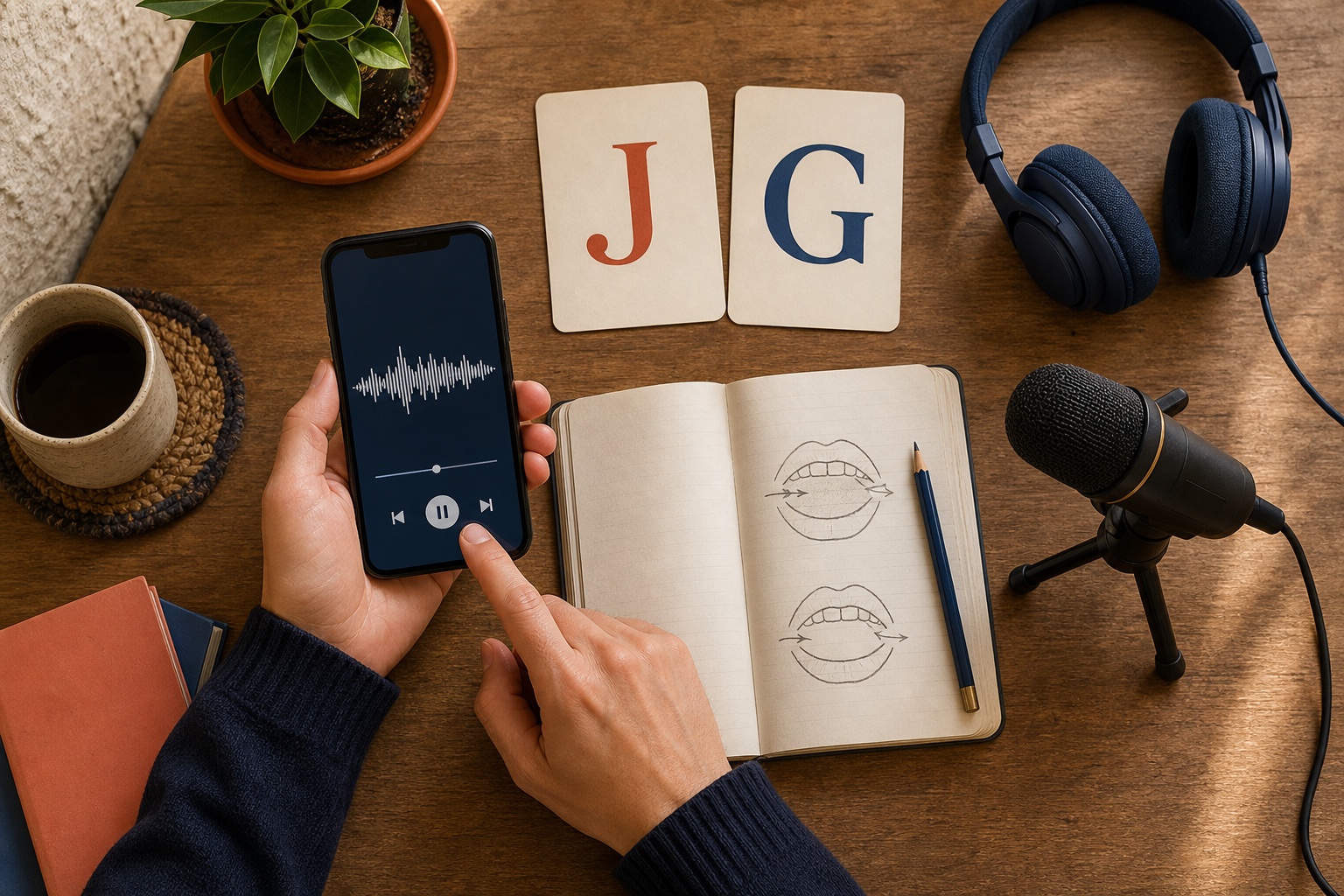
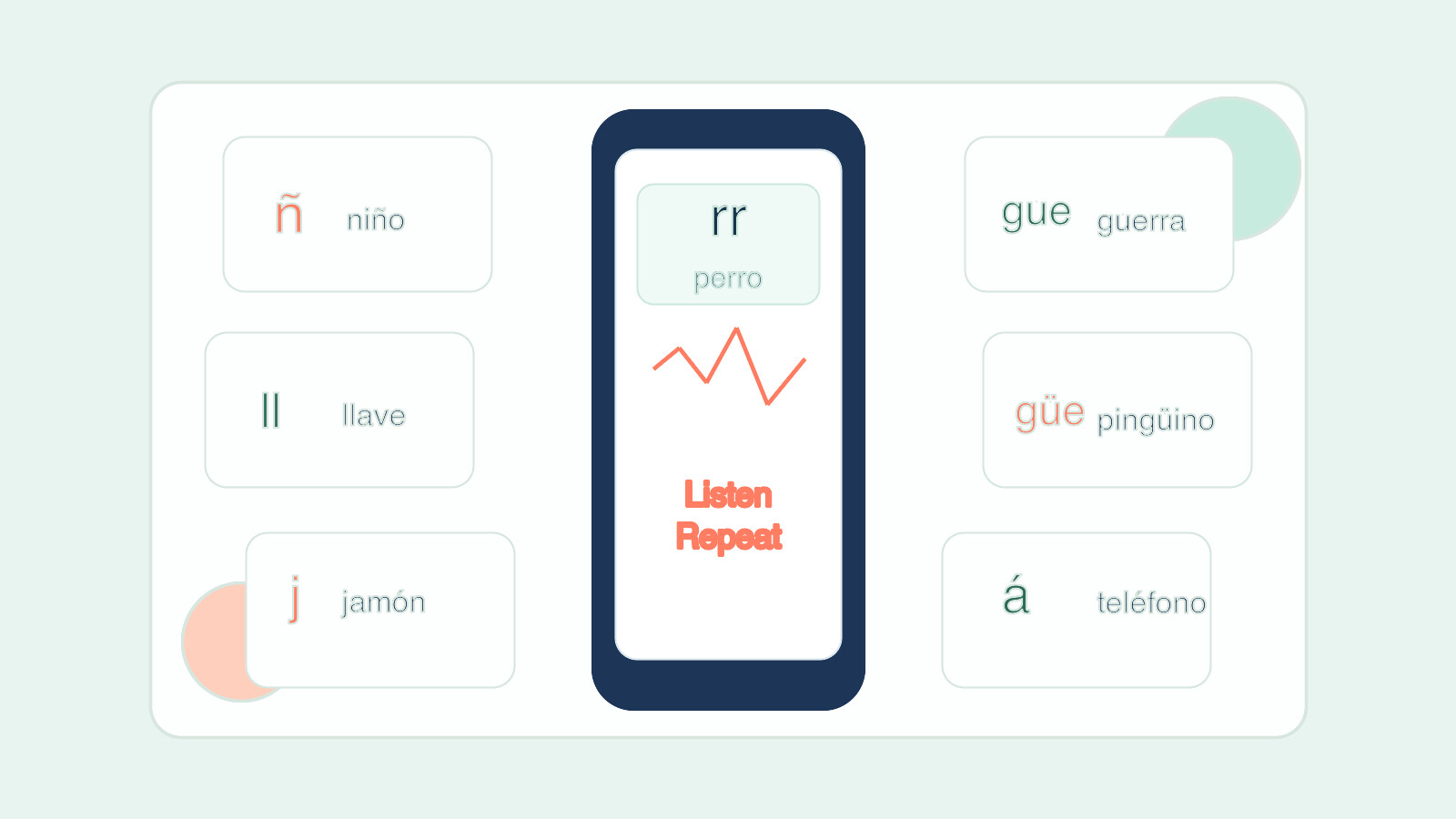
Start with five clean vowels, then add consonants that confuse beginners: c, g, j, h, ll, ñ, r, rr, v/b, x, z, and stress marks.
Say each practice word slowly, listen once, repeat once, and write it once. In Hola Cards, keep these as a separate pronunciation group so audio and spelling stay connected.
32 Spanish pronunciation rules and practice words
The table gives one spelling pattern, one Spanish practice word, a translation, and the pronunciation action to focus on.
| Pattern | Practice word | Translation | What to do | Mini-note |
|---|---|---|---|---|
| a | casa | house | Open a like in father, never ay | Keep the vowel short and stable. |
| e | mesa | table | Clean e, not English ee | Keep the vowel short and stable. |
| i | cinco | five | Short i like ee in see | Keep the vowel short and stable. |
| o | poco | a little | Round o, do not add w | Keep the vowel short and stable. |
| u | luna | moon | Pure u like oo | Keep the vowel short and stable. |
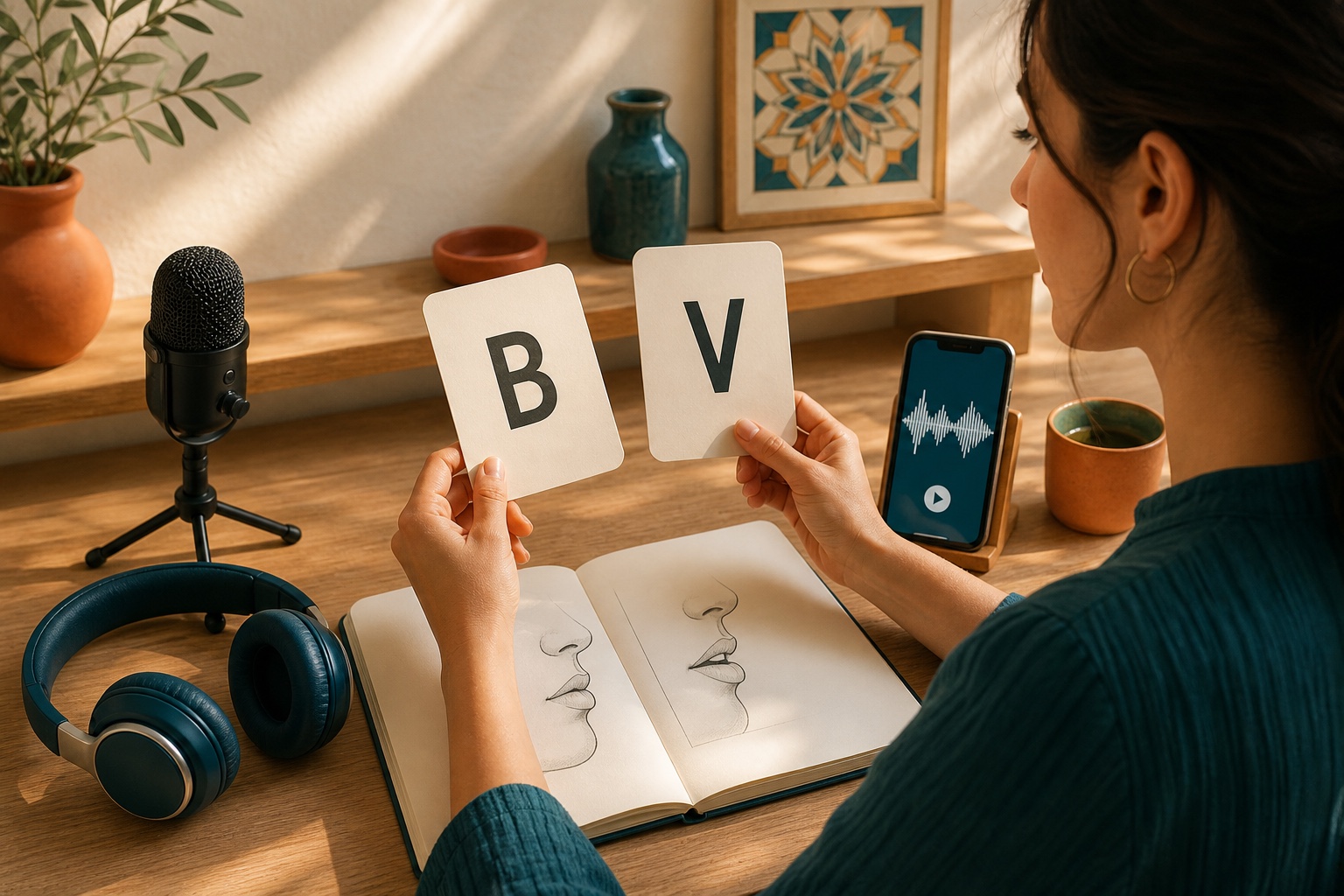
| b / v | vaso | glass | Say b and v almost the same | Spanish b and v are very close. |
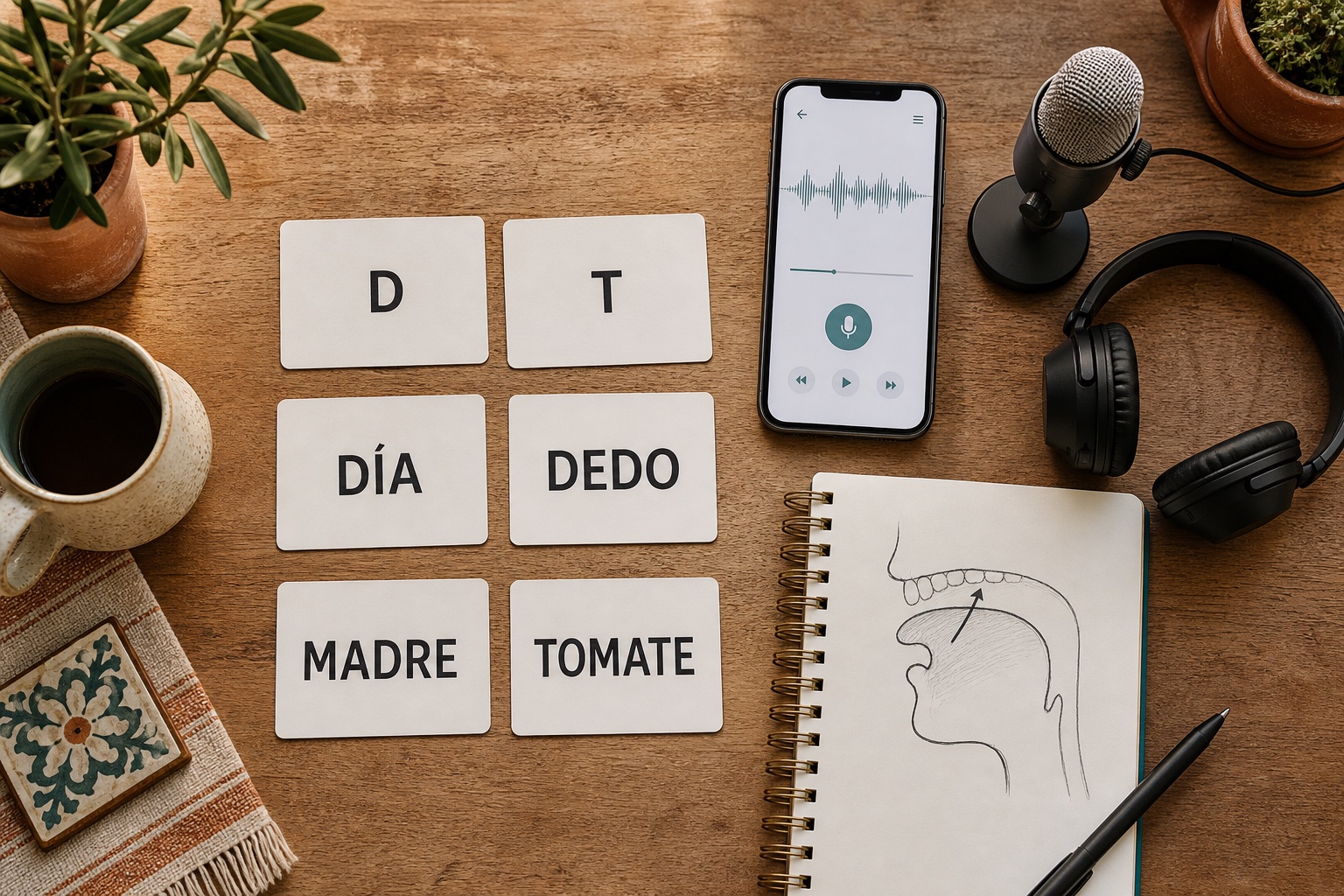
| d | día | day | Touch teeth lightly for d | Tongue touches the teeth more than in English. |
| final d | ciudad | city | Soften final d | Often softer at the end of a word. |
| f | familia | family | Keep f clear and short | Keep it clean and short. |
| l | leche | milk | Clear l at the front of the mouth | Keep it clean and short. |
| m | mano | hand | Simple m, no extra vowel | Keep it clean and short. |
| n | nada | nothing | Simple n, keep it light | Keep it clean and short. |
| p | pan | bread | Less puff of air than English p | Keep it clean and short. |
| t | tú | you | Tongue touches teeth for t | Tongue touches the teeth more than in English. |
| ch | chico | boy | Short ch sound | Similar to ch in chip. |
| j | jamón | ham | Strong h-like sound | Strong h-like sound in Spain and much of Latin America. |
| ñ | niño | boy, child | Say ny as one sound | One letter, one sound: ny. |
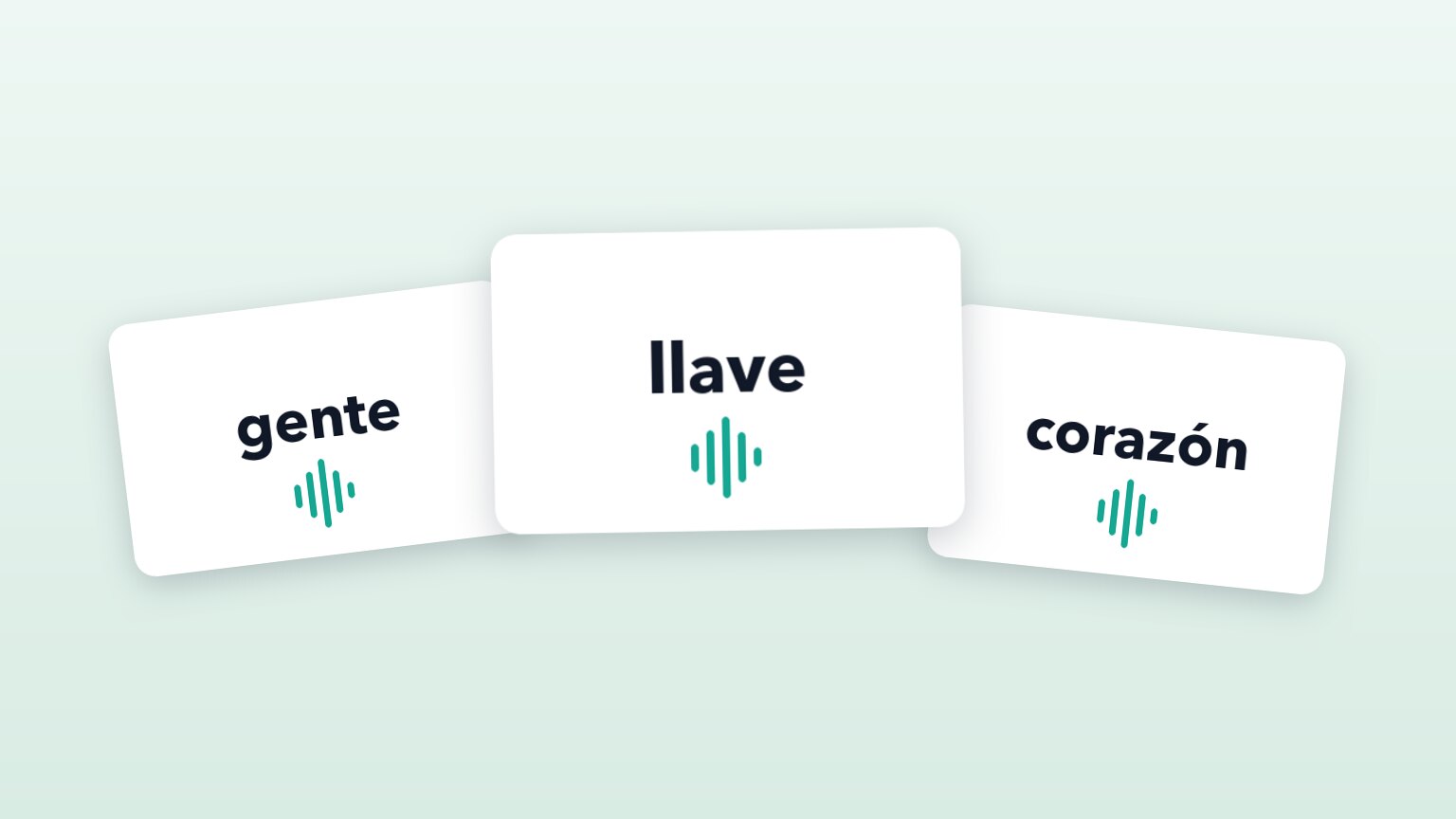
| ll | llave | key | Often like y in yes | Often sounds like y in yes. |
| y | yo | I | Often similar to ll | Often sounds like y in yes. |
| single r | pero | but | One quick tongue tap | One quick tap of the tongue. |
| rr | perro | dog | Roll or trill the r | Multiple taps; train slowly. |
| s | sí | yes | Clean s, not z | Keep it clean and short. |
| x | taxi | taxi | Usually ks in beginner words | Keep it clean and short. |
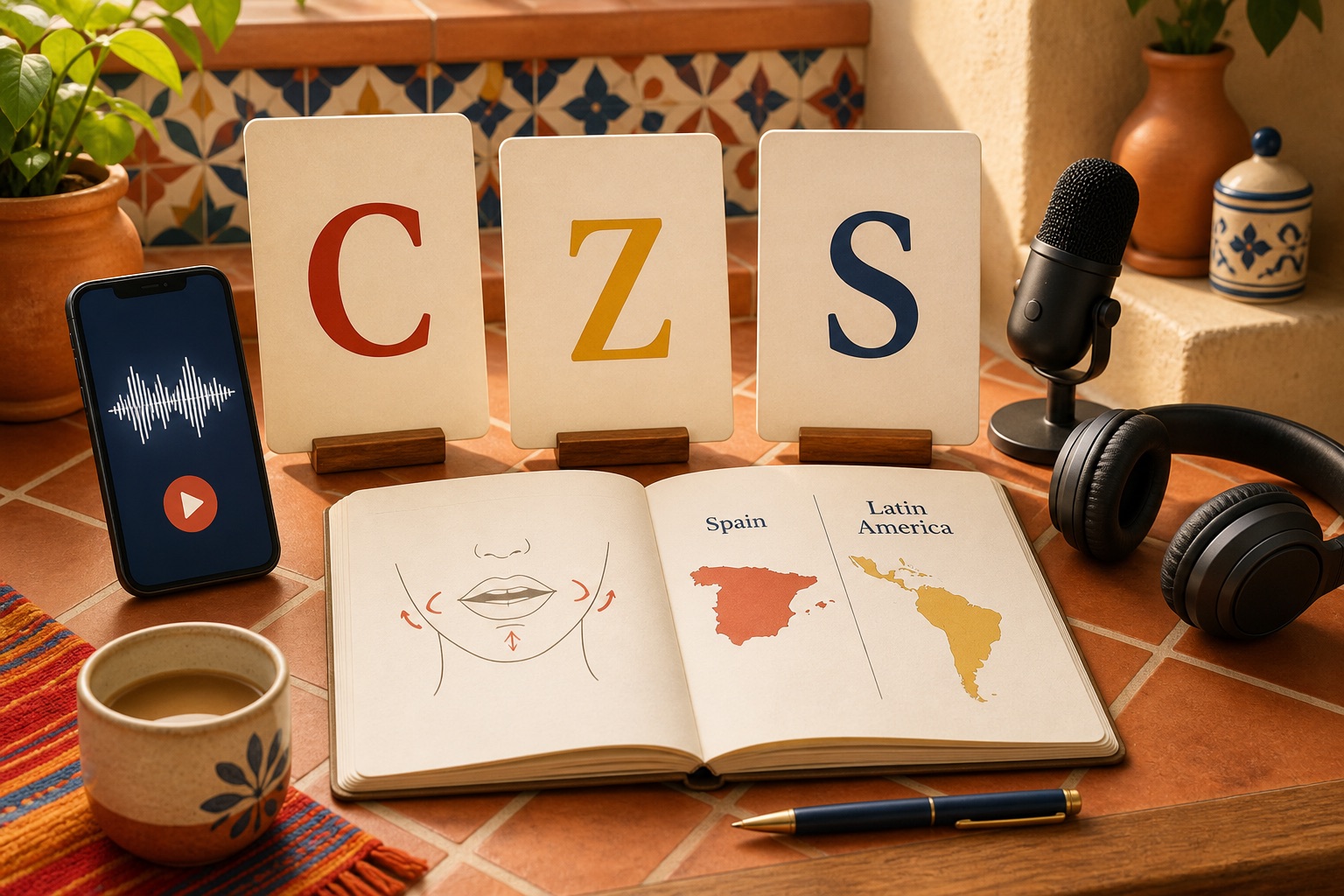
| z | zapato | shoe | S in Latin America, th in much of Spain | S in Latin America; th in much of Spain. |
| c + a/o/u | cama | bed | Hard k sound | Hard k sound before a, o, u. |
| c + e/i | cine | cinema | S or th, depending on region | S in Latin America; th in much of Spain. |
| qu + e/i | queso | cheese | K sound; u stays silent | Que and qui keep the k sound. |
| g + a/o/u | gato | cat | Hard g sound | Hard g before a, o, u. |
| g + e/i | gente | people | Strong h-like sound | Similar to Spanish j before e or i. |
| gu + e/i | guerra | war | Hard g; u silent | Silent u keeps g hard. |
| gü + e/i | pingüino | penguin | Pronounce the ü | The two dots make ü audible. |
| accent mark | teléfono | telephone | Stress the marked syllable | Written accent marks the stressed syllable. |
The same sounds by practice group
Group pronunciation by what your mouth needs to do: vowels, core consonants, tricky consonants, spelling changes, and stress.
Clean vowels
Spanish vowels stay short and steady, so they are the first sound group to stabilise.
a: casa; e: mesa; i: cinco; o: poco; u: luna
Core consonants
These letters are frequent and usually simple once you keep them crisp.
b / v: vaso; d: día; final d: ciudad; f: familia; l: leche; m: mano; n: nada; p: pan; t: tú
Tricky consonants
These are the sounds beginners most often confuse across 29 languages, including English, Russian, Portuguese and German.
ch: chico; j: jamón; ñ: niño; ll: llave; y: yo; single r: pero; rr: perro; s: sí; x: taxi; z: zapato
Spelling changes
C, g, q, gu, and gü change by the next letter, so practise them as patterns.
c + a/o/u: cama; c + e/i: cine; qu + e/i: queso; g + a/o/u: gato; g + e/i: gente; gu + e/i: guerra; gü + e/i: pingüino
Stress and accents
Written accents tell you where the strong syllable is.
accent mark: teléfono
Quick answers about Spanish pronunciation
Spanish pronunciation is beginner-friendly because spelling is usually consistent: vowels stay stable, h is silent, and written accents show stress.
The hardest beginner sounds are usually rolled rr, single r, j, ñ, ll/y, c before e or i, g before e or i, and stress on words without familiar English rhythm.
Hola Cards, the Spanish flashcard app on holacards.org, helps by turning each sound into a flashcard with audio, writing, pronunciation practice, custom groups, and spaced review on iOS and Android.
After the sound map, connect pronunciation practice with frequent words, verbs, and beginner questions.
Common words Beginner verbs Question words
How to practise Spanish pronunciation without guessing
- Pick 6-8 sound cards, not the whole table.
- Listen to the Spanish word before reading the translation.
- Repeat the word once slowly and once at normal speed.
- Write the word with accents, ñ, ü, or question marks when they appear.
- Review old sound cards before adding new ones, especially r/rr and c/g patterns.
Copy all 32 pronunciation words into a Hola Cards group
Open word groups in Hola Cards, choose paste/import, and paste this block. The app can read the title and the “Spanish - translation” lines.
**32 Spanish pronunciation practice words**

casa - house
mesa - table
cinco - five
poco - a little
luna - moon
vaso - glass
día - day
ciudad - city
familia - family
leche - milk
mano - hand
nada - nothing
pan - bread
tú - you
chico - boy
jamón - ham
niño - boy, child
llave - key
yo - I
pero - but
perro - dog
sí - yes
taxi - taxi
zapato - shoe
cama - bed
cine - cinema
queso - cheese
gato - cat
gente - people
guerra - war
pingüino - penguin
teléfono - telephone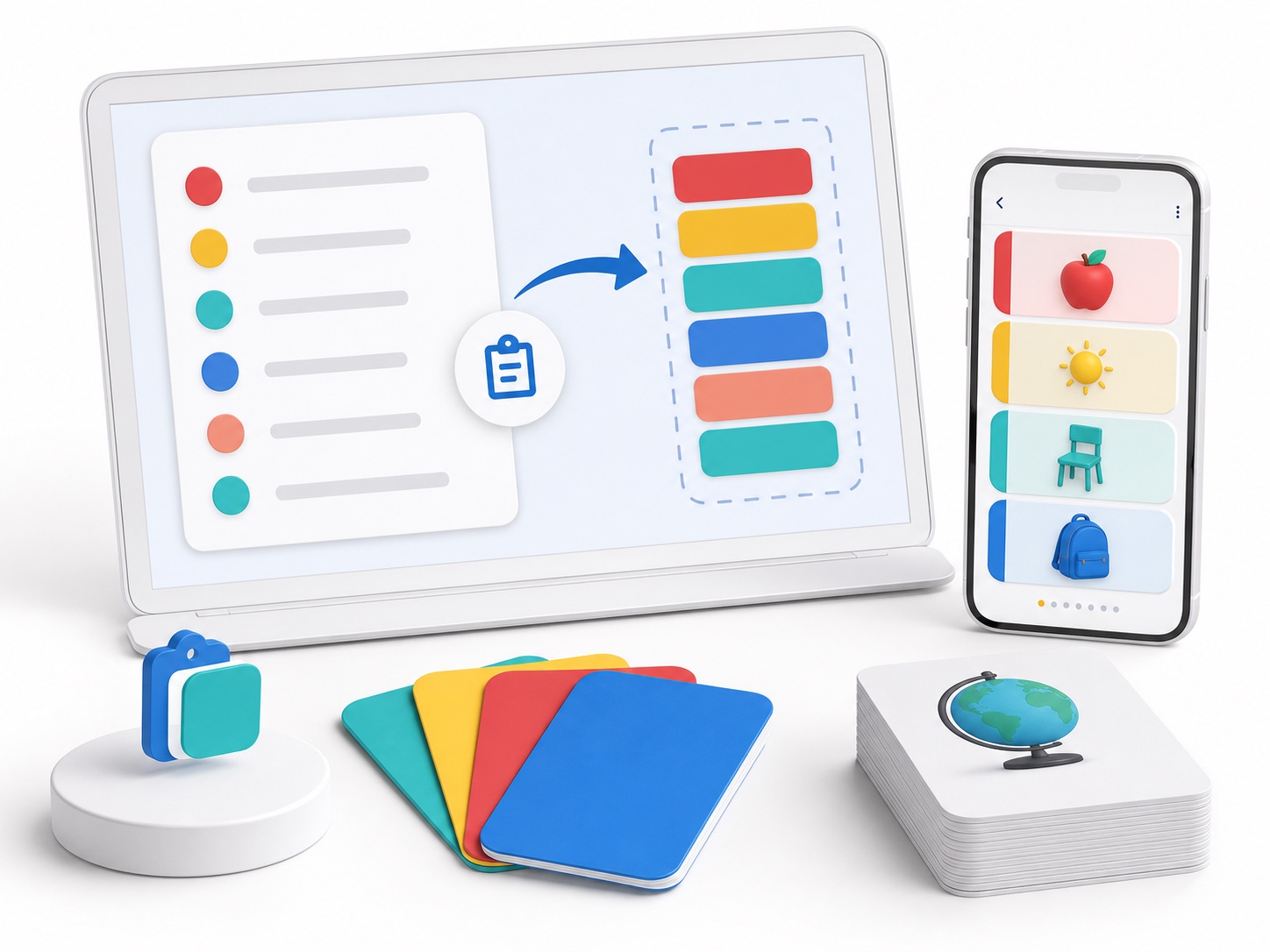
Practise Spanish pronunciation in Hola Cards
Hola Cards, the Spanish flashcard app on holacards.org, turns these pronunciation patterns into flashcards with audio, writing, pronunciation practice, custom groups, and spaced review on iOS and Android.