B1–B2 Grammar
What Are Spanish Cleft Sentences?
A Spanish cleft sentence divides a statement into two parts using ser and a relative clause. It foregrounds one element while the relative clause supplies the background. While ordinary sentences also mark focus through intonation and context, clefts make contrast explicit.
Consider the event: Elena preparó la presentación en Sevilla el lunes. Rather than treating all details as equally weighted, speakers highlight different information to contrast mistaken assumptions. Plain replies also work, but clefts make corrections emphatic.
Spanish Cleft Sentence Cards
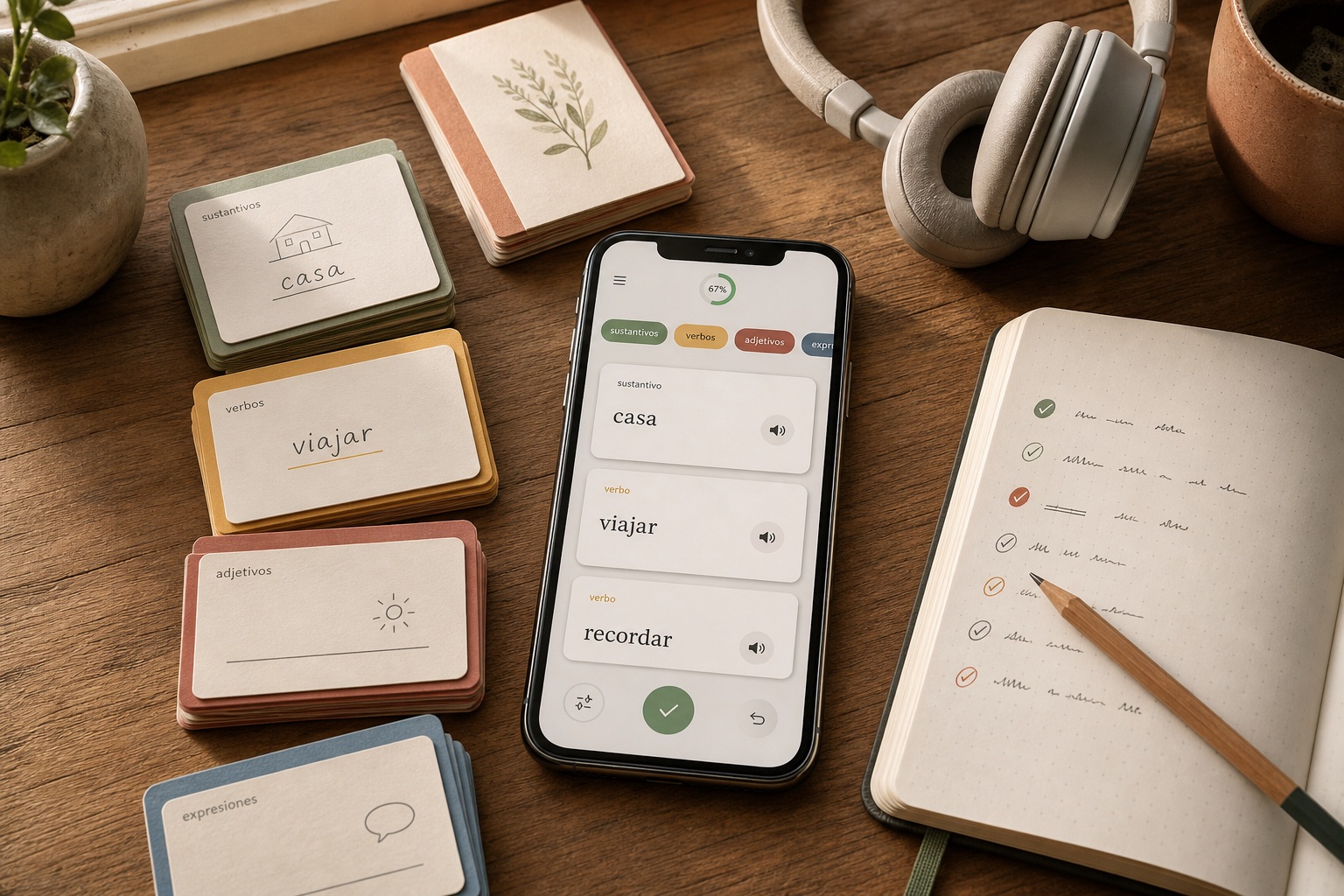
Copy the pairs and paste them into a custom group you name 'Spanish Cleft Sentences' to practice writing, spaced review, and eligible Spanish audio.
Focusing Person, Place, and Time with Ser
To correct the person, the speaker isolates the subject. If asked ¿Quién preparó la presentación en Sevilla el lunes? ¿Marcos? the speaker replies No, fue Elena quien preparó la presentación en Sevilla el lunes. The question uses accented quién, whereas the cleft uses unaccented quien. Here, unaccented quien refers to the subject in this reply. Tense of ser need not always match. An optional direct short answer like No, Elena also works.
When correcting the place, the prepositional phrase follows ser. If asked ¿Dónde preparó Elena la presentación el lunes? ¿En Madrid? the speaker answers No, fue en Sevilla donde Elena preparó la presentación el lunes. Preposition en remains before the city. The question uses accented dónde, while relative donde is unaccented. While donde is a useful model, que also occurs in place or time frames in American Spanish.
When correcting the time, the temporal phrase takes focus. If asked ¿Cuándo preparó Elena la presentación en Sevilla? ¿El viernes? the speaker replies No, fue el lunes cuando Elena preparó la presentación en Sevilla. This highlights el lunes while keeping person, action, and city in the background. The question has accented cuándo, while relative cuando is unaccented.
12 Practice Cards for Spanish Cleft Sentences
Practice contrastive focus across person, place, and time with 12 examples.
| Spanish Sentence | English Translation |
|---|---|
| Es Carlos quien coordina el proyecto. | It is Carlos who coordinates the project. |
| Fue Lucía quien cometió la equivocación. | It was Lucía who made the mistake. |
| Fueron los ingenieros quienes revisaron el informe. | It was the engineers who reviewed the report. |
| Fue Mateo quien aclaró la situación. | It was Mateo who clarified the situation. |
| Es en la sala principal donde nos reunimos. | It is in the main room that we meet. |
| Fue en Madrid donde ocurrió la confusión. | It was in Madrid that the confusion occurred. |
| Es en este edificio donde guardamos los archivos. | It is in this building that we keep the files. |
| Fue en el hotel donde firmamos el acuerdo final. | It was at the hotel that we signed the final agreement. |
| Es ahora cuando debemos corregir los datos. | It is now that we must correct the data. |
| Fue ayer cuando descubrimos el problema. | It was yesterday that we discovered the problem. |
| Fue el martes cuando enviamos la confirmación. | It was on Tuesday that we sent the confirmation. |
| Fue a las diez cuando terminó la discusión. | It was at ten that the discussion ended. |
Focus Dimensions in Cleft Sentences
Cleft sentences highlight key information to resolve misunderstandings clearly.
Person
Highlights the person who organized an event.
Es Carlos quien coordina el proyecto. · Fue Lucía quien cometió la equivocación. · Fueron los ingenieros quienes revisaron el informe. · Fue Mateo quien aclaró la situación.
Place
Highlights the location while keeping needed prepositions.
Es en la sala principal donde nos reunimos. · Fue en Madrid donde ocurrió la confusión. · Es en este edificio donde guardamos los archivos. · Fue en el hotel donde firmamos el acuerdo final.
Time
Highlights the day or time to clear up confusion.
Es ahora cuando debemos corregir los datos. · Fue ayer cuando descubrimos el problema. · Fue el martes cuando enviamos la confirmación. · Fue a las diez cuando terminó la discusión.
Contrasting Person, Place, and Time with Spanish Cleft Sentences
Mateo organized the workshop at the library on Friday. A coworker asks who organized Friday's workshop: —¿Quién organizó el taller en la biblioteca el viernes? ¿Fue Daniel? Reply with a cleft sentence correcting the person.
The model response is Fue Mateo quien organizó el taller en la biblioteca el viernes. The focused detail is Mateo, and the relative pronoun is quien.
Remember that Mateo organized the workshop at the library on Friday. A coworker asks about the workshop location: —¿Dónde organizó Mateo el taller el viernes? ¿Fue en el museo? Reply focusing on where he organized it.
The model response is Fue en la biblioteca donde Mateo organizó el taller el viernes. The focused detail is en la biblioteca, and the relative adverb is donde.
Remember that Mateo organized the workshop at the library on Friday. Your supervisor asks about the workshop day: —¿Cuándo organizó Mateo el taller en la biblioteca? ¿Fue el jueves? Reply focusing on when he organized it.
The model response is Fue el viernes cuando Mateo organizó el taller en la biblioteca. The focused detail is el viernes, and the relative adverb is cuando.
Explore related guides to deepen your understanding of Spanish syntax and sentence structure.
Spanish Word Order Rules Spanish Clitic Doubling
Focusing Actions and Concepts with Relative Clauses
- At a cabin, your companion lists chores. Focus on resting by opening with lo que and placing the action after es.
- The model response is Lo que necesitamos ahora es descansar. The relative is lo que, and the focused action is descansar. A plain alternative is Ahora necesitamos descansar.
Sources and Further Reading
This guide is based on academic reference grammars and empirical corpus research on Spanish information structure:
- RAE and ASALE, Nueva gramática: Manual, §40.5 analysis of cleft components, relative pronouns, tense variation, and regional adverbial que constructions
- Universidade de Santiago de Compostela, Introducción a la sintaxis del español explanation of cleft derivations from simple clauses and the contrast between focus and background
- Corpus Data and the Position of Information Focus in Spanish corpus study on information focus and the distribution of cleft constructions in spoken Spanish
Frequently Asked Questions About Spanish Cleft Sentences
Must Spanish cleft sentences start with the verb ser?
No. The relative clause can also come first, offering flexible word order rather than a single fixed formula.
Must the tense of the verb ser match the tense of the main event?
No. While past tenses often match for completed events, grammar sources document tense variation across different contexts.
Can a general connector replace specialized relative adverbs for place and time?
Yes. Documented examples in American Spanish show that plain que can appear in place and time frames.
Spanish Cleft Sentence Cards
Copy the pairs and paste them into a custom group you name 'Spanish Cleft Sentences' to practice writing, spaced review, and eligible Spanish audio.
**Spanish Cleft Sentences**

Es Carlos quien coordina el proyecto. - It is Carlos who coordinates the project.
Fue Lucía quien cometió la equivocación. - It was Lucía who made the mistake.
Fueron los ingenieros quienes revisaron el informe. - It was the engineers who reviewed the report.
Fue Mateo quien aclaró la situación. - It was Mateo who clarified the situation.
Es en la sala principal donde nos reunimos. - It is in the main room that we meet.
Fue en Madrid donde ocurrió la confusión. - It was in Madrid that the confusion occurred.
Es en este edificio donde guardamos los archivos. - It is in this building that we keep the files.
Fue en el hotel donde firmamos el acuerdo final. - It was at the hotel that we signed the final agreement.
Es ahora cuando debemos corregir los datos. - It is now that we must correct the data.
Fue ayer cuando descubrimos el problema. - It was yesterday that we discovered the problem.
Fue el martes cuando enviamos la confirmación. - It was on Tuesday that we sent the confirmation.
Fue a las diez cuando terminó la discusión. - It was at ten that the discussion ended.
Practice Spanish Cleft Sentences
Add twelve focus sentence cards to Hola Cards to practice writing, spaced review, and eligible Spanish audio.